The moment you watch your baby crawl for the first time, then pull up to stand holding onto furniture, then take that first wobbly step, is one of the most moving moments in motherhood. These stages are not a race — every child moves at their own pace — but understanding the general path helps you know how to support them the right way at each step.
Crawling: The First Real Exploration of the World
Most babies start crawling between roughly seven and ten months, though some skip traditional crawling and move straight to other ways of getting around, like rolling or bottom-scooting, all of which is completely normal. Crawling strengthens the core and arm muscles that are essential later for standing and walking, so give your baby plenty of time on a safe, clean floor.
Standing and Holding On: A Step Toward Independence
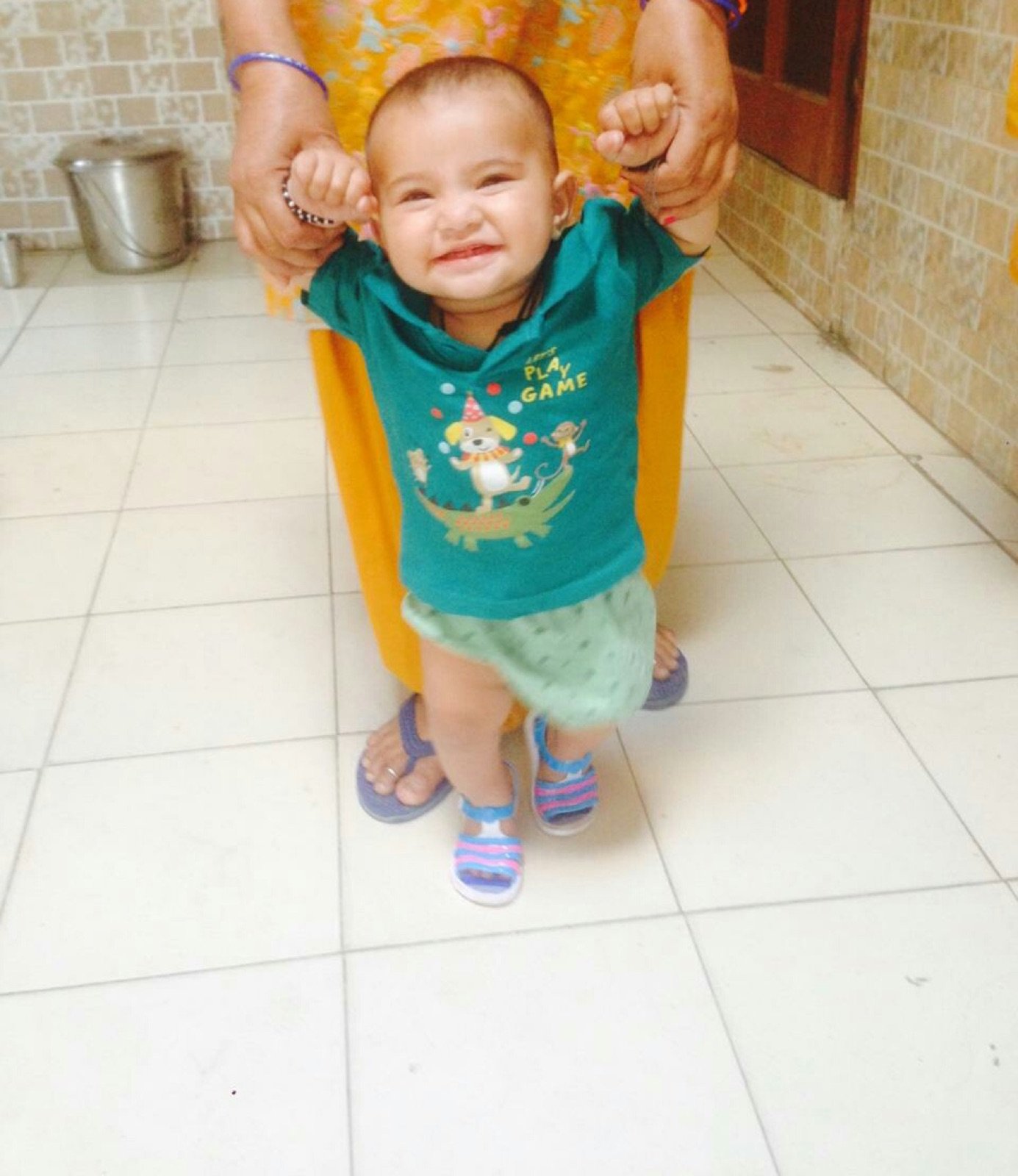
Around nine to twelve months, a baby typically starts pulling up to stand while holding furniture, then walking sideways while holding on (known as «cruising»). This stage builds their balance and leg strength in preparation for independent walking, and it may take weeks or months before they dare to let go.
First Steps: Every Child on Their Own Timeline
Most children walk independently between twelve and eighteen months — a wide, completely normal range. Walking early does not mean higher intelligence, and walking a little later within this range usually is not a cause for concern.
- Provide a safe floor and open space for practice, without worrying about falls onto hard surfaces.
- Let them walk barefoot at home as much as possible — it strengthens foot muscles and improves balance.
- Use sturdy, non-slip furniture for them to hold onto while standing and cruising.
- Celebrate every attempt, successful or not; your encouragement gives them the confidence to try again.
- Avoid wheeled baby walkers — some studies link them to slightly delayed independent walking as well as safety risks.
If your baby has not started crawling or standing by 12 months, or is not walking independently by 18 months, it is worth discussing with your pediatrician — not necessarily because something is wrong, but for peace of mind and closer monitoring of development.