Most health authorities recommend starting solids around six months, but what matters more than the exact age is watching for real signs of readiness in your own baby — every child develops at their own pace.
Signs of readiness
- Can sit with some support and hold their head and neck steady.
- Shows clear interest in food — watching your mouth as you eat, or reaching for your plate.
- The tongue-thrust reflex, which pushes solids back out automatically, has started to fade.
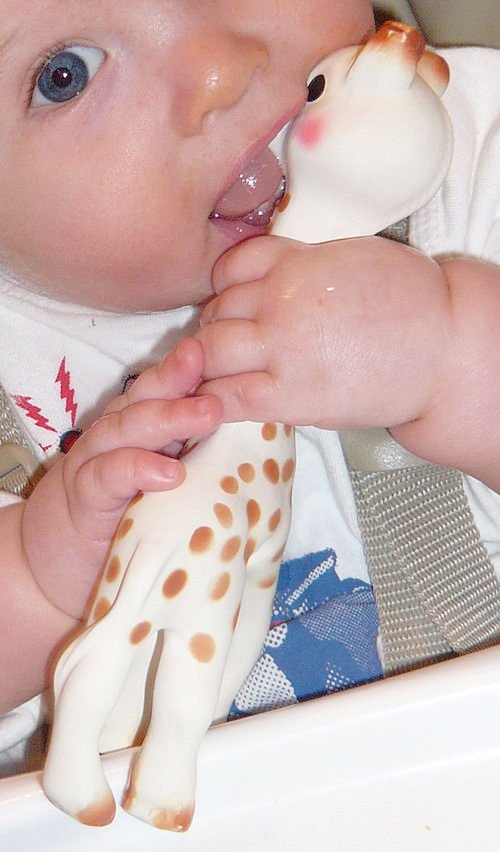
- Can move food from the front of the mouth to the back and swallow it, rather than spitting it straight out.
Where do you start?
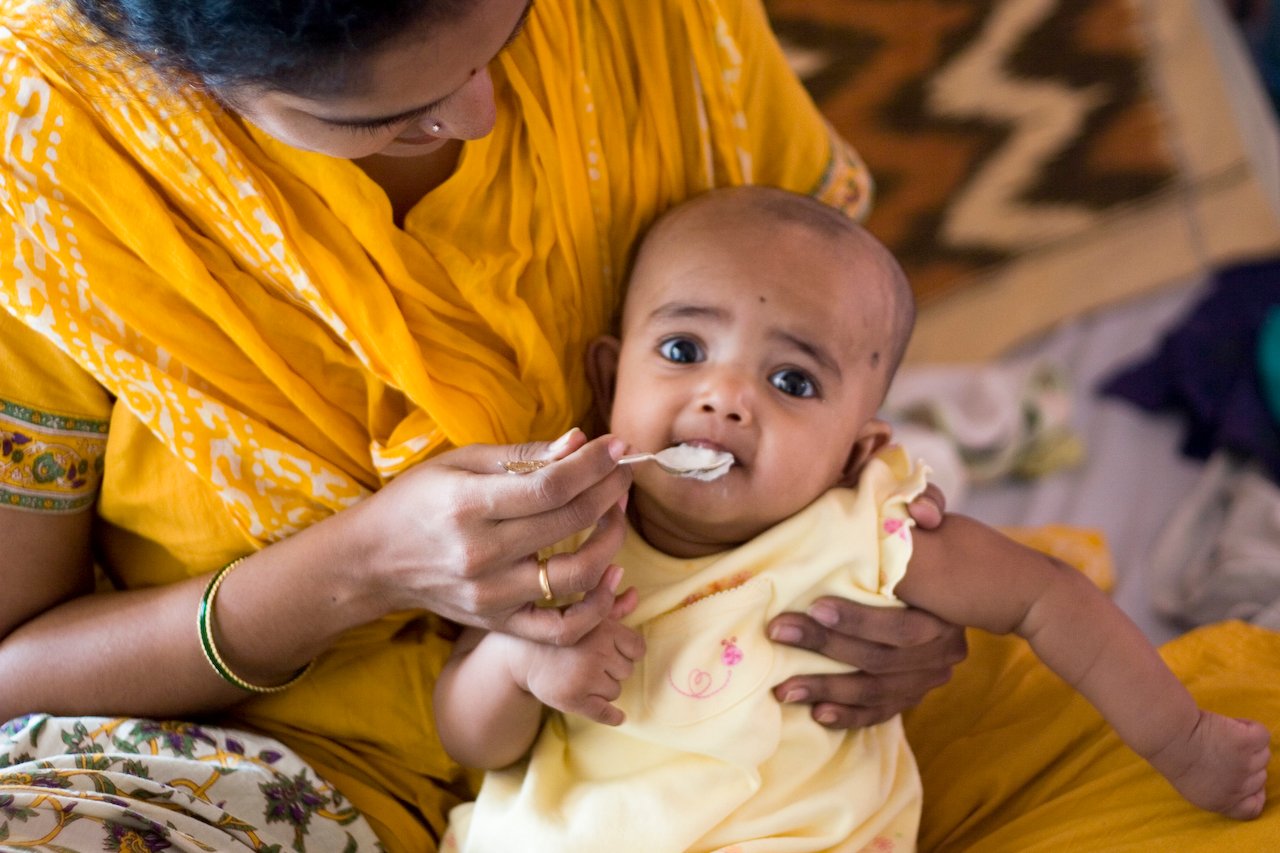
There's no strict rule for the first food, but it's often best to begin with iron-rich options like iron-fortified cereal, smooth pureed vegetables like carrot or sweet potato, or soft fruits like banana or avocado. Introduce one new food every three to five days — it makes spotting any allergic reaction much easier.
In the beginning, quantity isn't the point — breast milk or formula remains the main source of nutrition through the first year, and solids at this stage are about exploration and practice more than a full meal. Don't be surprised if your baby refuses or spits out food the first few times — that's a normal part of learning a completely new taste and texture.
Always sit with your baby while they eat, use a proper high chair, and avoid honey entirely before age one, along with choking hazards like whole nuts or uncut grapes. Keep mealtime calm and pressure-free — the real goal early on is helping your baby build a positive relationship with food from the very start.