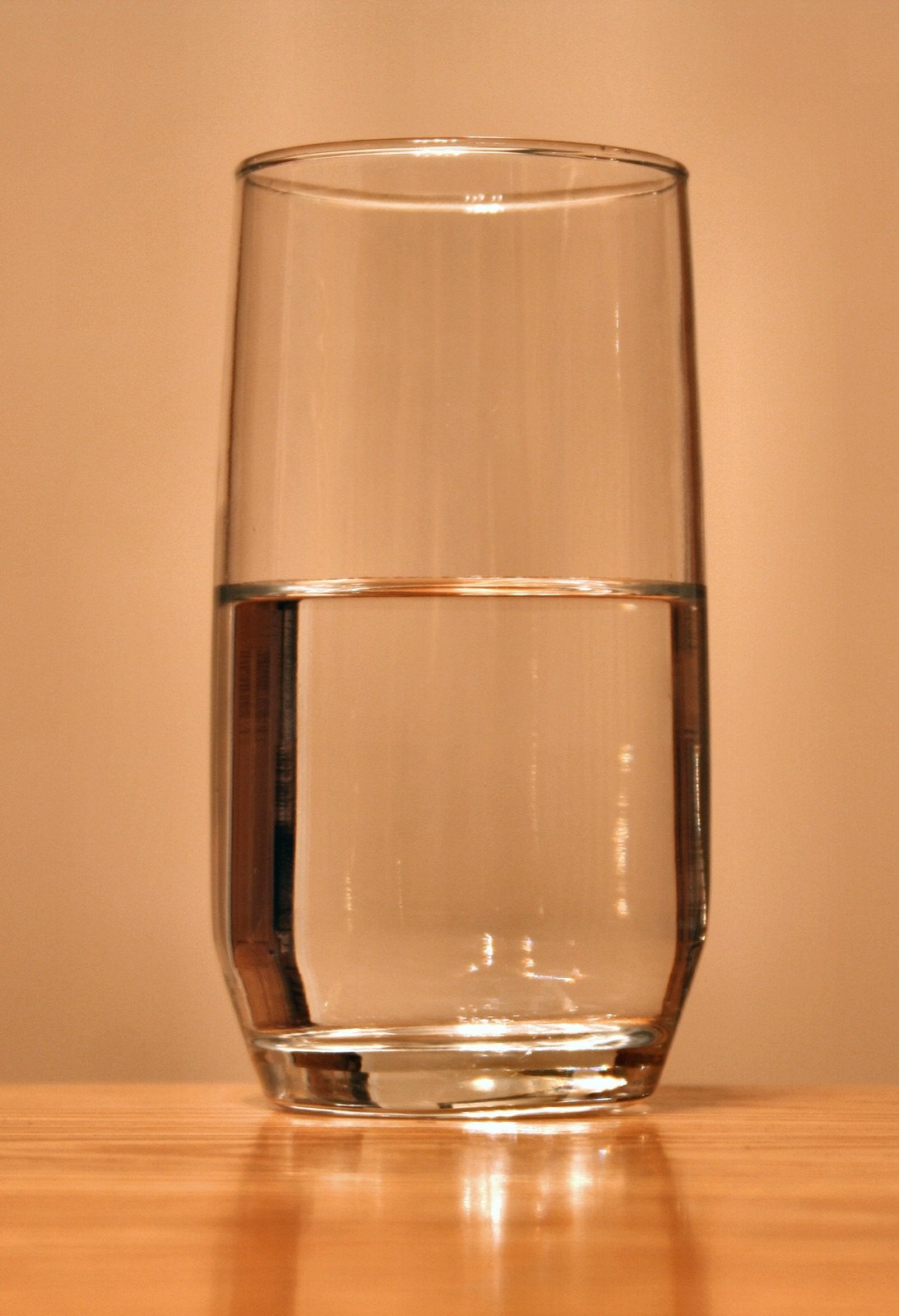
We've all heard the advice to "drink eight glasses of water a day," but the truth is that everyone's needs differ based on body weight, activity level, and climate. What matters more than hitting an exact number is spreading your water intake evenly throughout the day, rather than gulping large amounts at once or only remembering when you're already very thirsty.
Thirst is actually a late signal that your body is already running low on fluids, so it's better to build a steady routine than to wait for that cue. Try starting your day with a glass of water right after waking up—it helps kick-start digestion after a night without fluids—then keep sipping at intervals throughout the day instead of one large glass right before bed.
Signs You Might Need More Water
Urine color is one of the simplest and most reliable indicators: the darker it is, the more you likely need to drink. Mild headaches, dry lips, and unexplained fatigue can also be early signs of mild dehydration before obvious thirst kicks in.
- Keep a water bottle within reach while working or studying as a visual reminder.
- Add lemon slices or mint if you're bored of plain water's taste.
- Remember that tea and coffee don't fully substitute for water, since they have a mild diuretic effect.
- Increase your intake in hot weather, during exercise, or while intermittent fasting.
- Eat water-rich fruits and vegetables like watermelon and cucumber as an extra hydration source.
Good hydration directly affects skin freshness, focus levels, and even mood. Mild dehydration can sometimes show up as fatigue or irritability without us realizing the real cause is simply not enough water. Try linking water breaks to fixed moments in your day—after each prayer or before each meal—so it becomes an automatic habit rather than something you have to consciously remember.