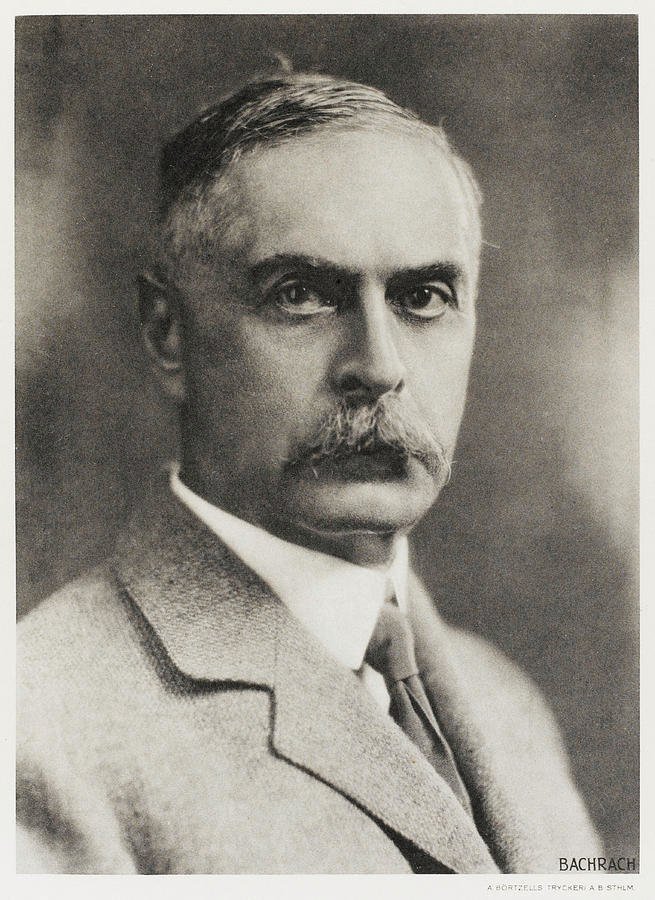
Karl Landsteiner was born in 1868 in Vienna, Austria, and studied medicine there before specializing in pathology and immunology. At the turn of the 20th century, blood transfusion between people was a dangerous gamble that sometimes ended in the patient's death for no clear reason, as physicians did not understand why some donors' blood reacted violently with some patients' blood.
In 1901, while experimenting with mixing blood samples from his laboratory colleagues, Landsteiner noticed that blood sometimes clumped together and sometimes did not, leading him to conclude that different, incompatible types of human blood existed. He classified them into groups A, B, and O, with the AB group discovered soon after, the basic classification medicine still relies on for every blood transfusion performed today.
From Theoretical Discovery to a Life-Saving Practice
Landsteiner's discovery immediately transformed transfusion from a lethal gamble into a safe, plannable medical procedure, since blood type compatibility could now be checked beforehand. He won the 1930 Nobel Prize in Medicine for this discovery, and later, with his colleague Alexander Wiener, discovered the Rh factor in blood in 1940, adding another essential pillar to the safety of modern blood transfusion.