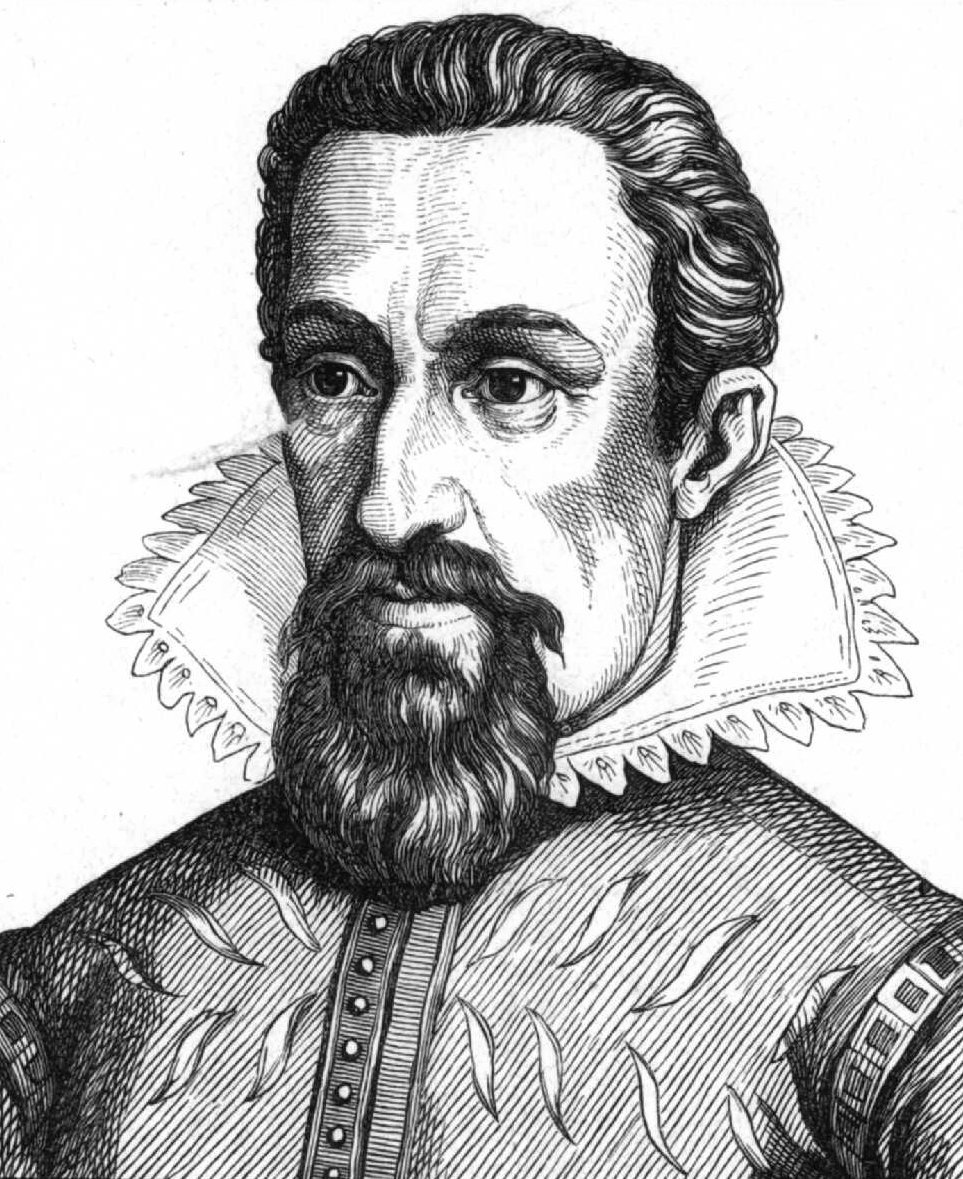
Johannes Kepler was born in 1571 in Weil der Stadt, Germany, and studied theology and mathematics at the University of Tübingen, where he embraced Copernicus's heliocentric theory. He worked as an assistant to the Danish astronomer Tycho Brahe in Prague, inheriting a vast trove of precise observational data after Brahe's death in 1601.
Using Brahe's data on Mars's orbit, Kepler spent years trying to find a mathematical model that fit it, eventually discovering that orbits were not perfect circles as astronomers had assumed since antiquity, but ellipses. In 1609 he published the first two laws of planetary motion in his book «Astronomia Nova», then added the third law in 1619, relating a planet's orbital period to its average distance from the Sun.
Scientific Legacy
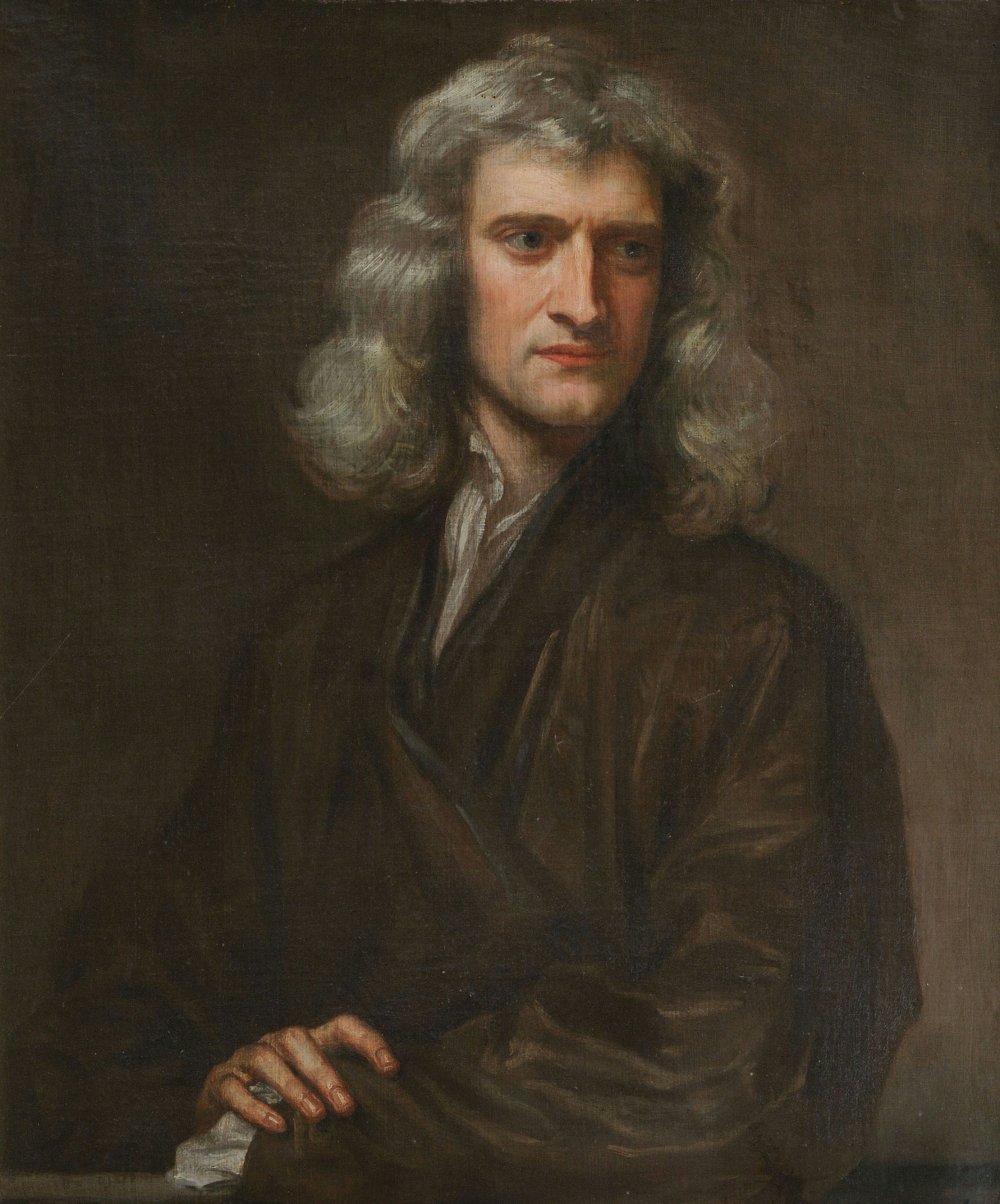
Kepler's three laws formed the mathematical foundation upon which Isaac Newton later built the law of universal gravitation. Kepler also contributed to optics, explaining the workings of the human eye and the telescope. He died in 1630, leaving a legacy that transformed astronomy from geometric description into a precise, observation-based mathematical science.