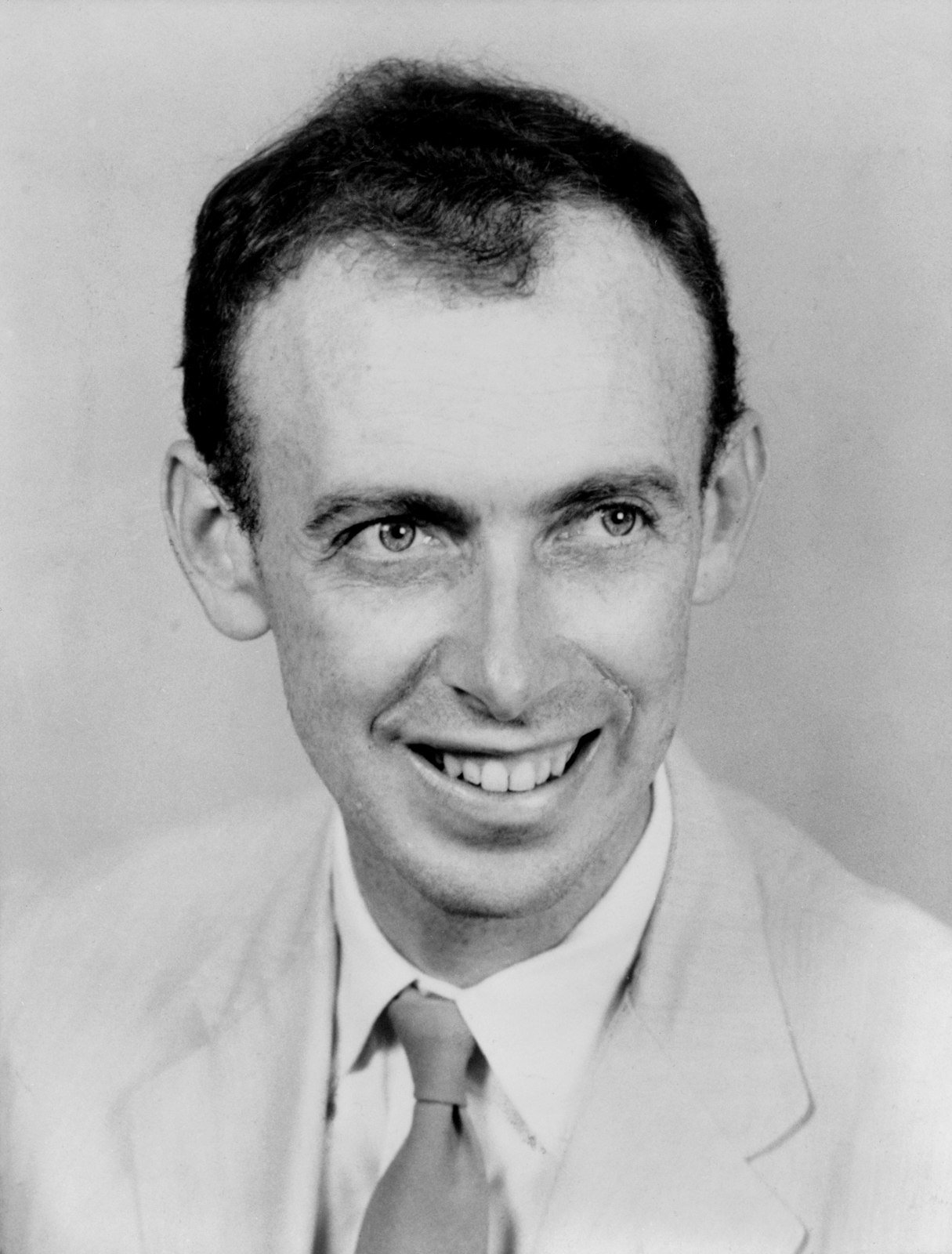
James Watson was born in 1928 in Chicago, United States, and showed early academic promise, entering the University of Chicago at age fifteen. He studied zoology, then pursued graduate work in virology and genetics, before traveling to England to work at the Cavendish Laboratory at Cambridge University, where he met physicist Francis Crick.
Watson and Crick combined Watson's expertise in genetics with Crick's in structural physics, drawing on X-ray diffraction images of DNA crystals captured by Rosalind Franklin, to arrive at the double-helix model of DNA in 1953. The discovery was published in a brief paper in Nature that reshaped the entire course of biology, explaining how genetic information is stored and copied from one generation to the next.
From the Structure Discovery to Leading the Genome Project
Watson won the 1962 Nobel Prize in Medicine jointly with Crick and Wilkins, and later held prominent scientific positions including director of Cold Spring Harbor Laboratory, and led the initial administration of the international Human Genome Project in the late 1980s, a project that later culminated in mapping the complete human DNA sequence. Watson died in November 2025 at age 97.