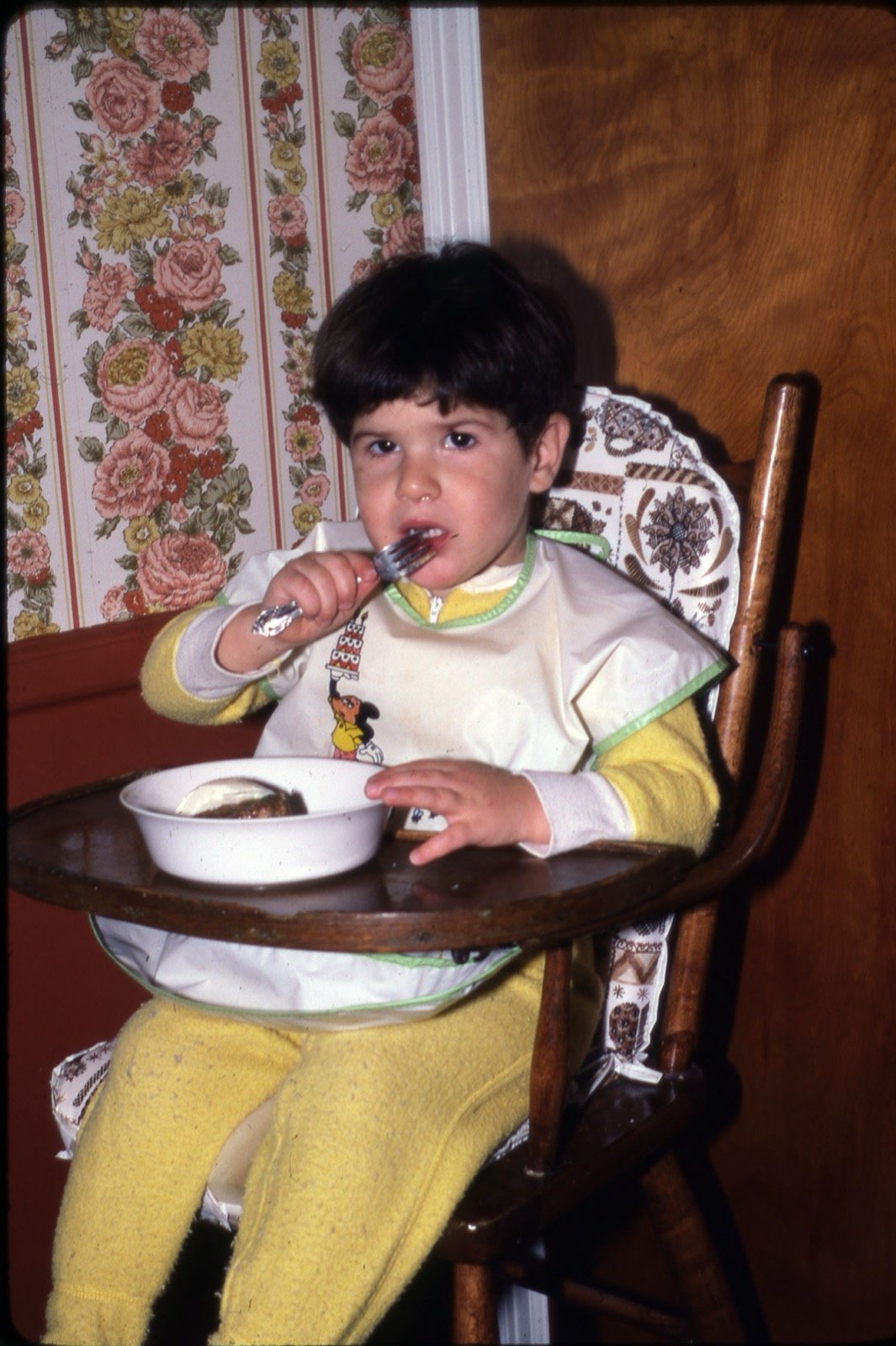
Picky eating typically peaks between eighteen months and age three, and is usually tied more to a toddler's drive for independence and control than to the food itself.
Why It Happens
Relatively slower growth after the first year naturally reduces appetite, and an instinctive wariness of new foods (food neophobia) is a natural survival mechanism, not deliberate stubbornness. Rejecting a food today doesn't mean rejecting it forever.
How to Handle It Calmly
Offer new food alongside a familiar favorite without forcing a taste. Reintroduce a rejected food several times on separate days — a toddler may need to see a new food 8-10 times before accepting it. Keep mealtimes short and free of conflict.
- Don't make a special substitute meal every time they refuse the main dish — this reinforces picky eating.
- Involve them in simple food prep — children tend to try what they helped make.
- Avoid bribing or rewarding eating with sweets — it unintentionally makes sweets seem more valuable.
- Trust that a healthy child won't deliberately starve themselves — if growth is on track at checkups, there's no need for excessive worry.