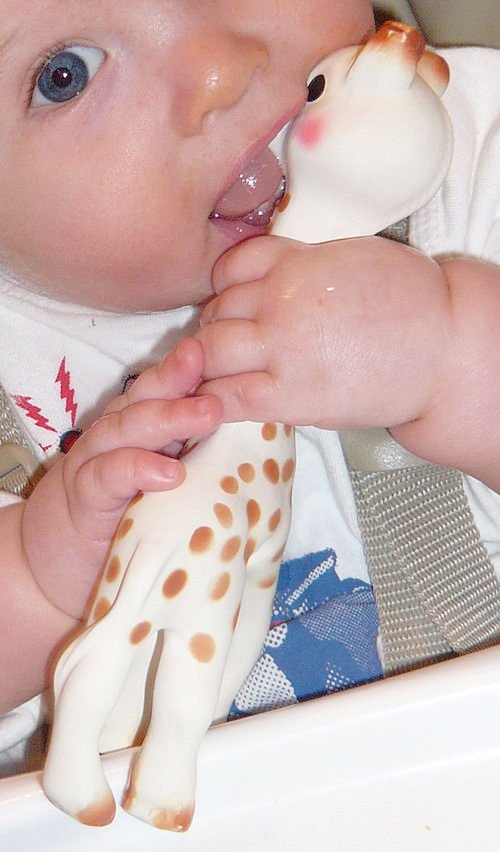
Fine motor skills (hand and finger movement) differ from gross motor skills (crawling and walking), and they form the foundation for later, more important skills like writing, buttoning, and self-care.
Expected Development Stages
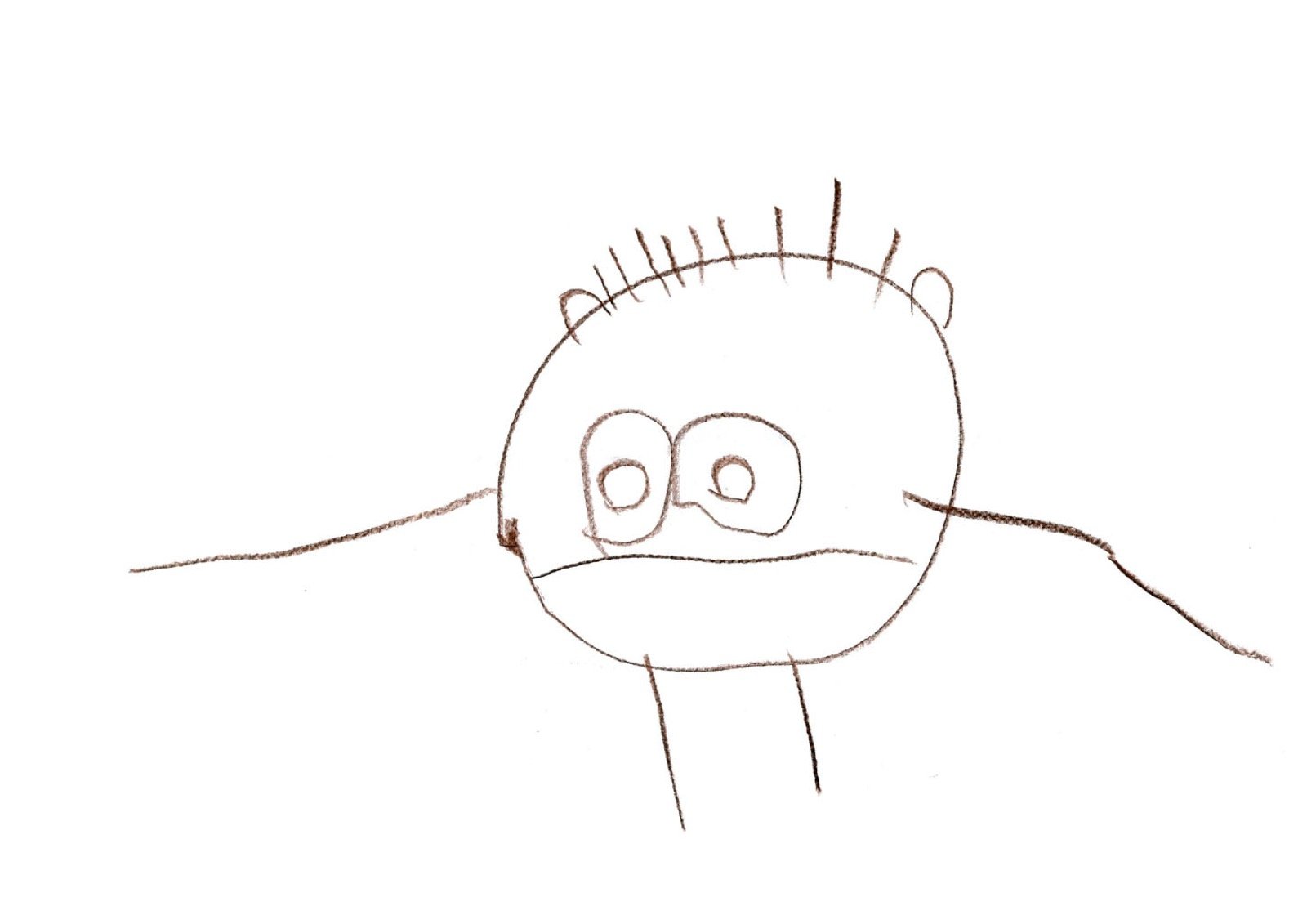
Around 6 months: a rough, whole-palm grasp. Around 9 months: a pincer grasp (thumb and index finger) for picking up small items. Around one year: attempting a messy spoon, pointing with one finger. Between eighteen months and two years: scribbling with a chunky crayon, stacking a tower of two or three blocks.
How to Support This Growth
Let your toddler eat with their hands as much as possible despite the mess — it's real training, not just play. Offer chunky, safe crayons for free scribbling, and toys that require picking up safely-sized small items under your supervision.
- Don't step in immediately when your toddler tries a slightly hard task — give them time to attempt, fail, and learn.
- Everyday activities (opening a container, flipping book pages) are excellent training without needing special tools.
- Watch for any items small enough to be a choking hazard during pincer-grasp practice.
- Celebrate every attempt, not just full success — it encourages them to keep trying.