Earth's surface is full of amazing natural landmarks shaped by nature over millions of years: towering mountains, long rivers, and vast deserts. In this lesson, we'll learn about these landmarks and how they affect people's lives.
Mountains, Rivers, and Deserts
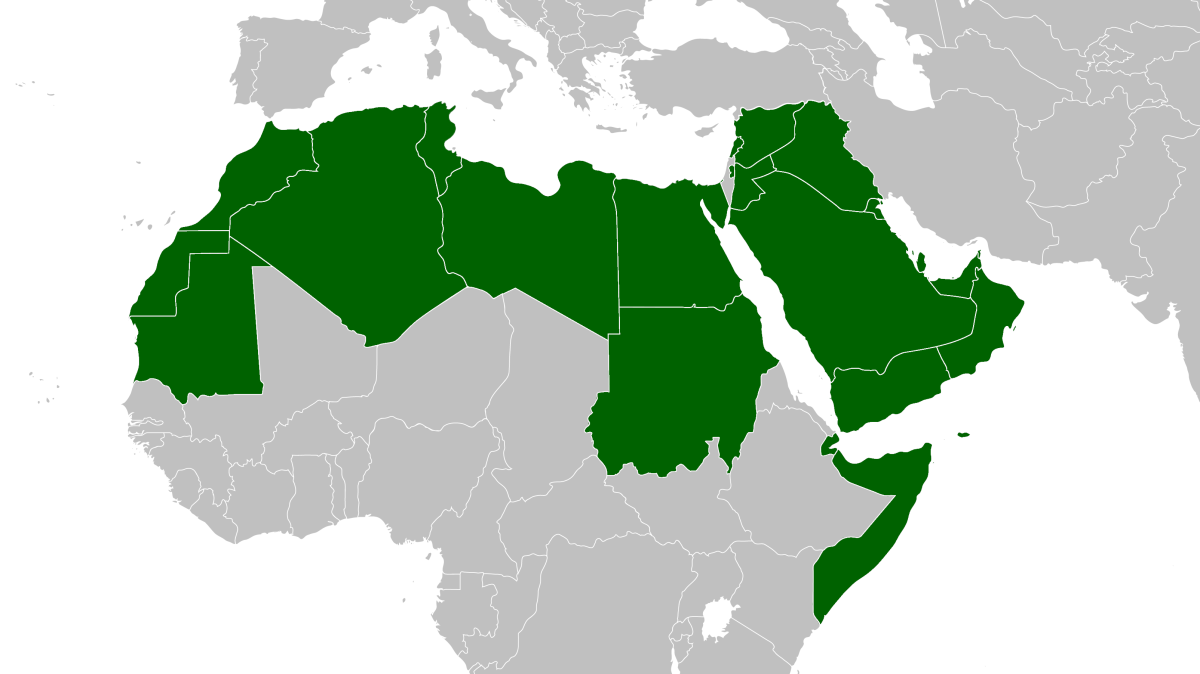
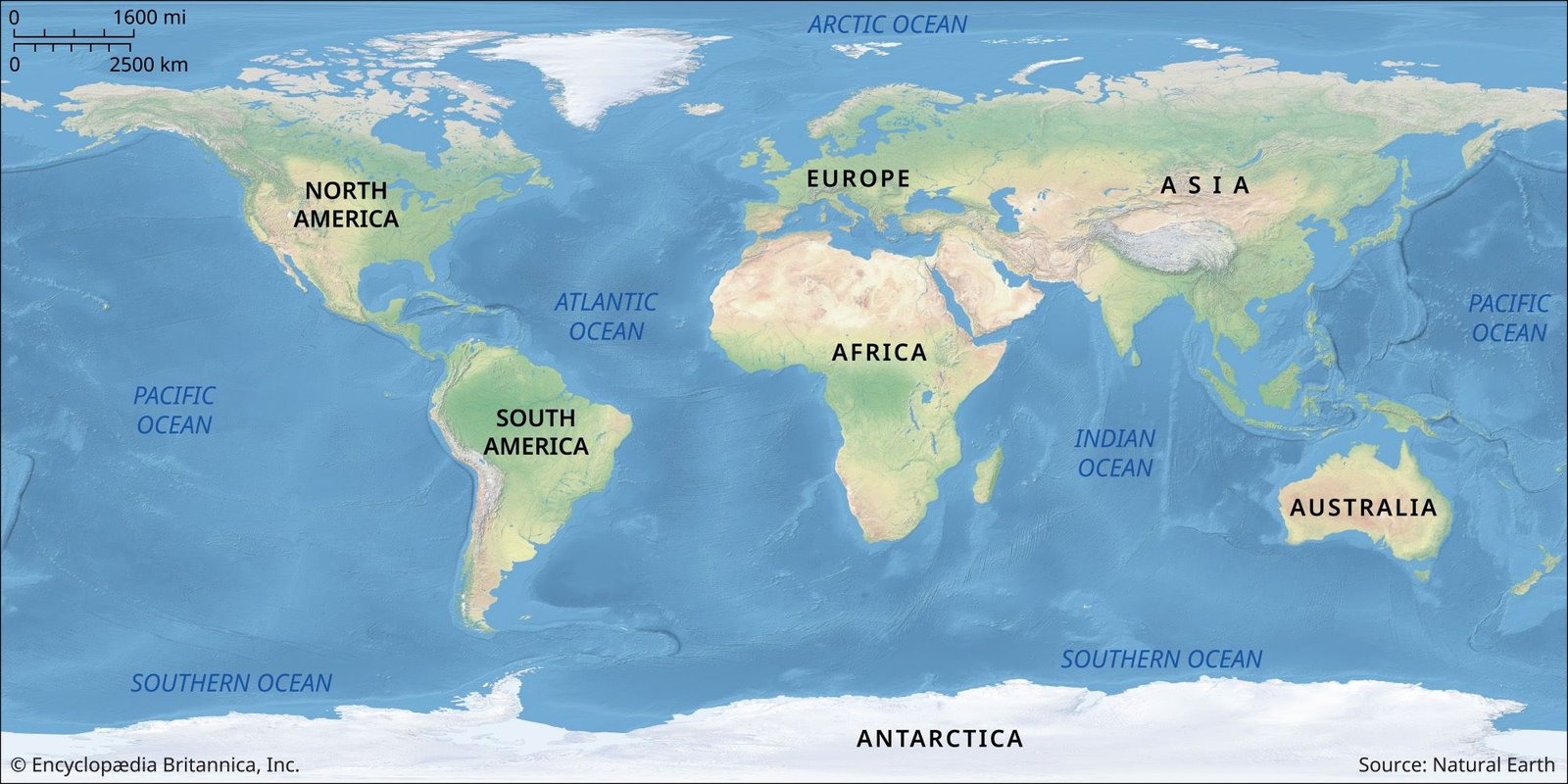
Mountains are large elevated landforms, formed by the movement of rock beneath the earth over millions of years. The Himalayas in Asia are among the world's most famous mountains, home to the world's highest peak, Mount Everest. In the Arab world, there are the Sarawat Mountains in Saudi Arabia and Yemen, and the Atlas Mountains in Morocco and Algeria.
Rivers are long channels of fresh water flowing from higher ground to lower ground, often emptying into a sea, ocean, or lake. The Nile River, flowing through Egypt and Sudan, is one of the longest rivers in the world, and it helped ancient Egyptian civilization thrive thousands of years ago by providing water and fertile soil for farming.
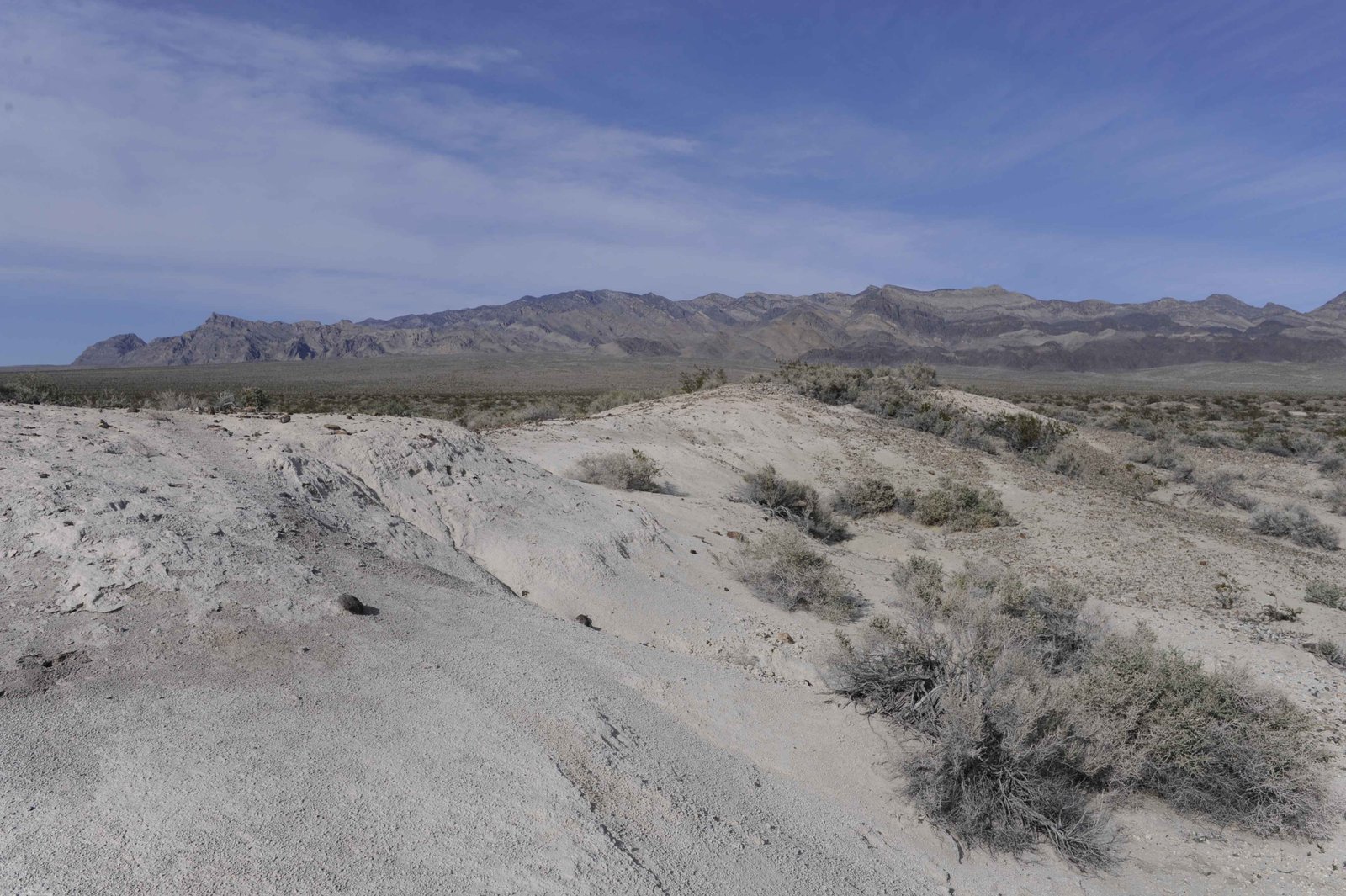
Deserts are very large areas with little rainfall, usually marked by golden sand, intense heat during the day, and cold at night. The Empty Quarter in the Arabian Peninsula is one of the largest sand deserts in the world, and the Sahara in Africa is the largest hot desert on Earth.
These natural landmarks affect people's lives in many ways: mountains provide fresh water from melting snow, rivers irrigate farmland, and while deserts challenge people, they sometimes hide natural treasures like oil and minerals.
- Mountains: large elevated landforms, like the Himalayas and Sarawat Mountains
- Rivers: long channels of fresh water, like the Nile River
- Deserts: vast areas with little rain, like the Empty Quarter
- Natural landmarks shape people's lives, farming, and economy