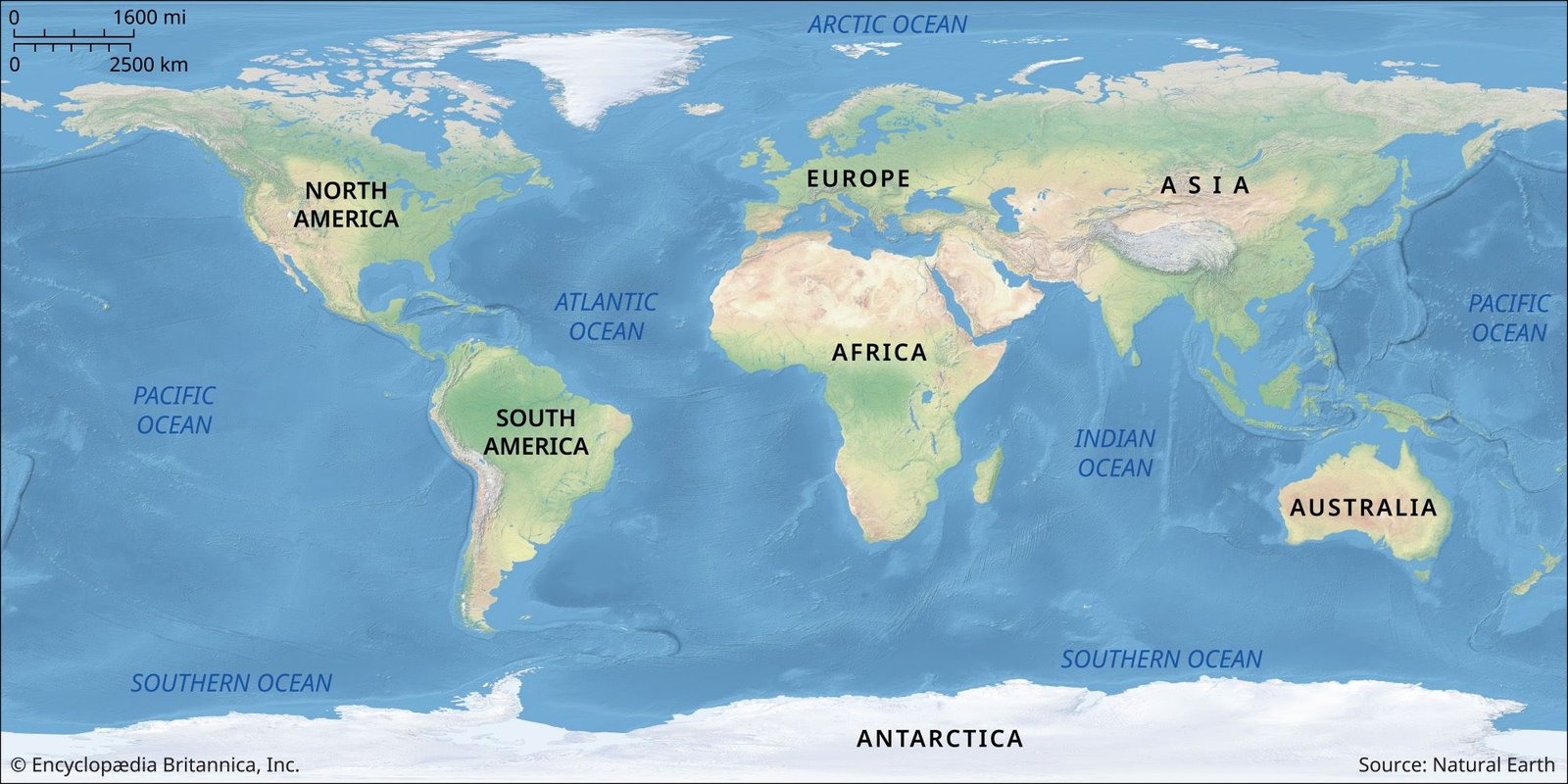
Planet Earth is enormous, covered by huge stretches of land called continents, and even larger areas of water called oceans. In this lesson, we'll learn about the seven continents that make up our planet's land.
Meet the Seven Continents
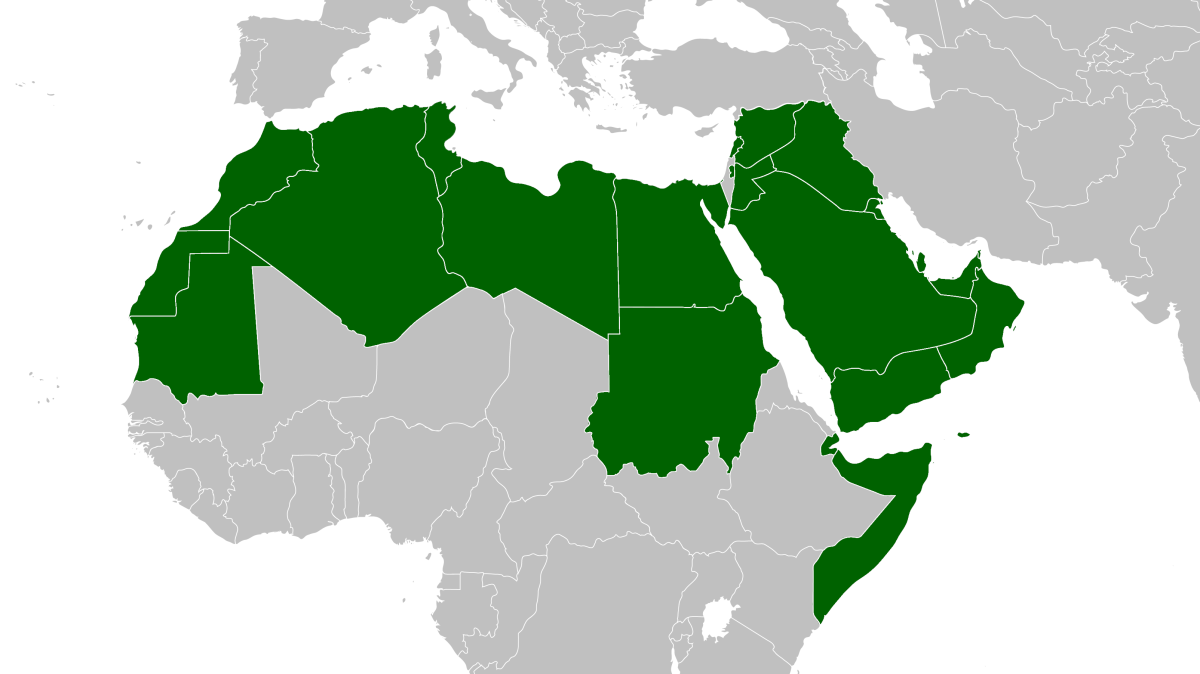
Asia is the largest continent by both area and population, home to many countries including Arab nations like Saudi Arabia and the UAE, as well as China, India, and Japan. Africa is the second-largest continent, also home to Arab countries like Egypt, Algeria, Morocco, and Sudan, and it's famous for the Sahara Desert and its diverse wildlife.
Europe is a relatively small continent but densely populated, home to countries like France, Germany, and Italy. North America includes countries like Canada, the United States, and Mexico, while South America includes countries like Brazil and Argentina, famous for dense rainforests like the Amazon.
Australia is unique because it's both a continent and a single country, known for animals found nowhere else, like kangaroos and koalas. Antarctica is the frozen southern continent, with almost no permanent residents due to its extreme cold — only some scientists live there, studying ice and climate.
Learning about continents helps children understand their place in the world, opens the door to different cultures and peoples, and builds their curiosity to explore the planet they live on.
- Asia: the largest continent, home to the Arab countries of Asia
- Africa: the second-largest continent, home to Egypt, Morocco, and Algeria
- Europe, North America, and South America: populated, culturally diverse continents
- Australia and Antarctica: two unique continents with special wildlife and climate