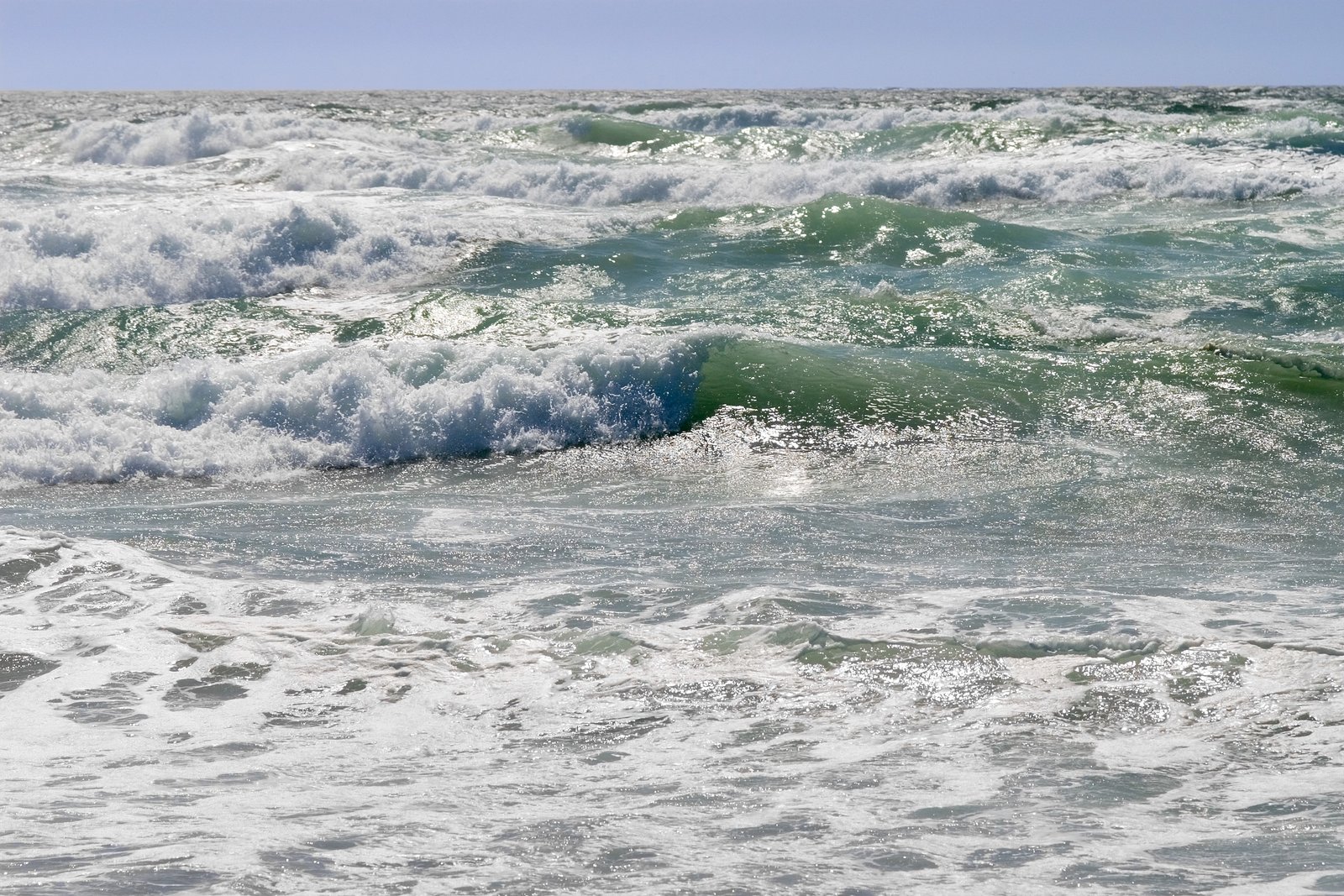
More than two-thirds of Earth's surface is covered in water! These vast bodies of water are called oceans, and there are smaller bodies of water called seas. In this lesson, we'll learn about the world's most important oceans and seas.
The World's Five Oceans
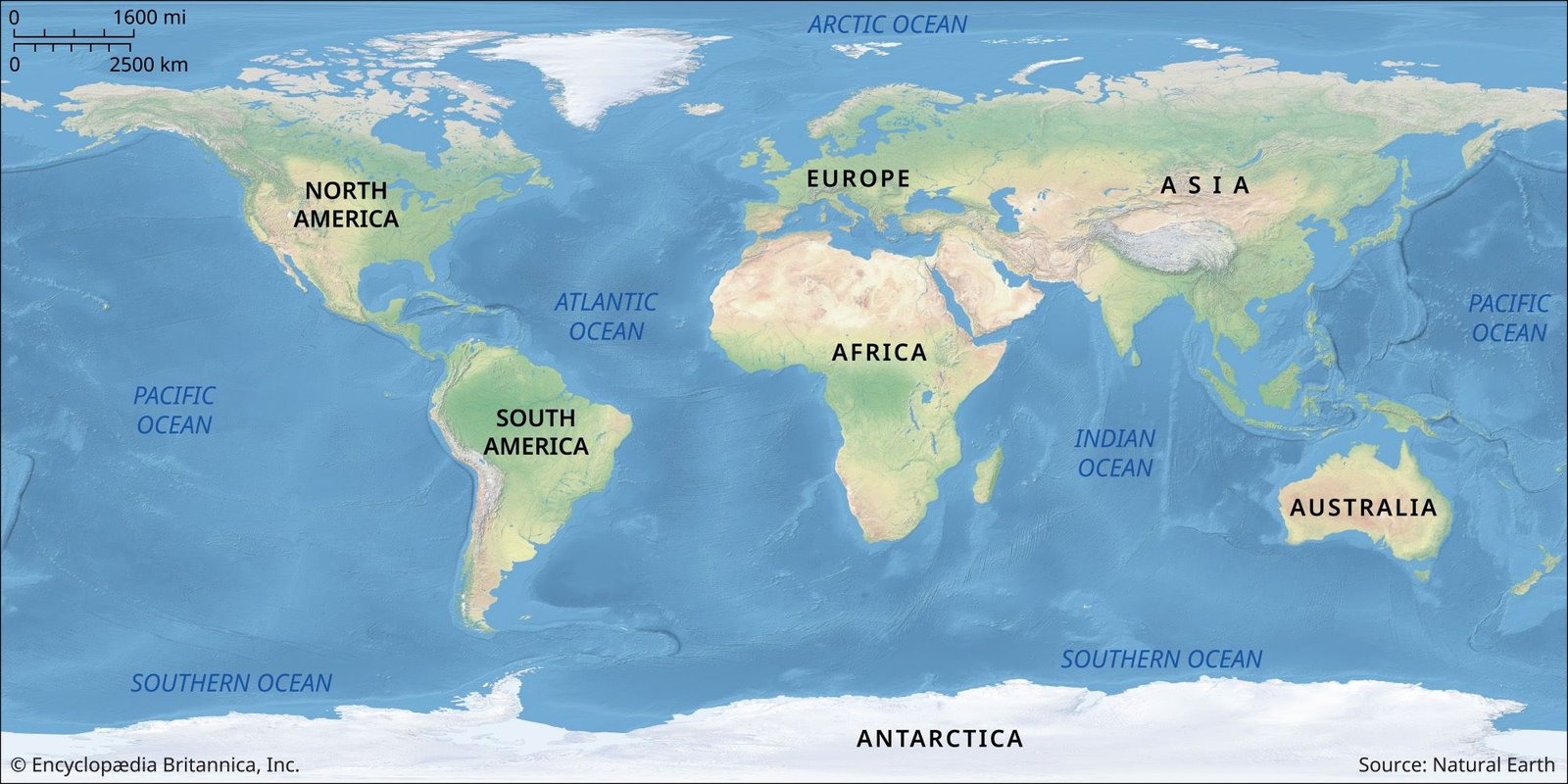
Earth has five main oceans: the Pacific Ocean, the largest of all, lying between Asia and the Americas. The Atlantic Ocean, the second largest, separating the Americas from Europe and Africa. The Indian Ocean, south of Asia and east of Africa. The Southern Ocean surrounding Antarctica, and the Arctic Ocean near the North Pole, the smallest and coldest of them all.
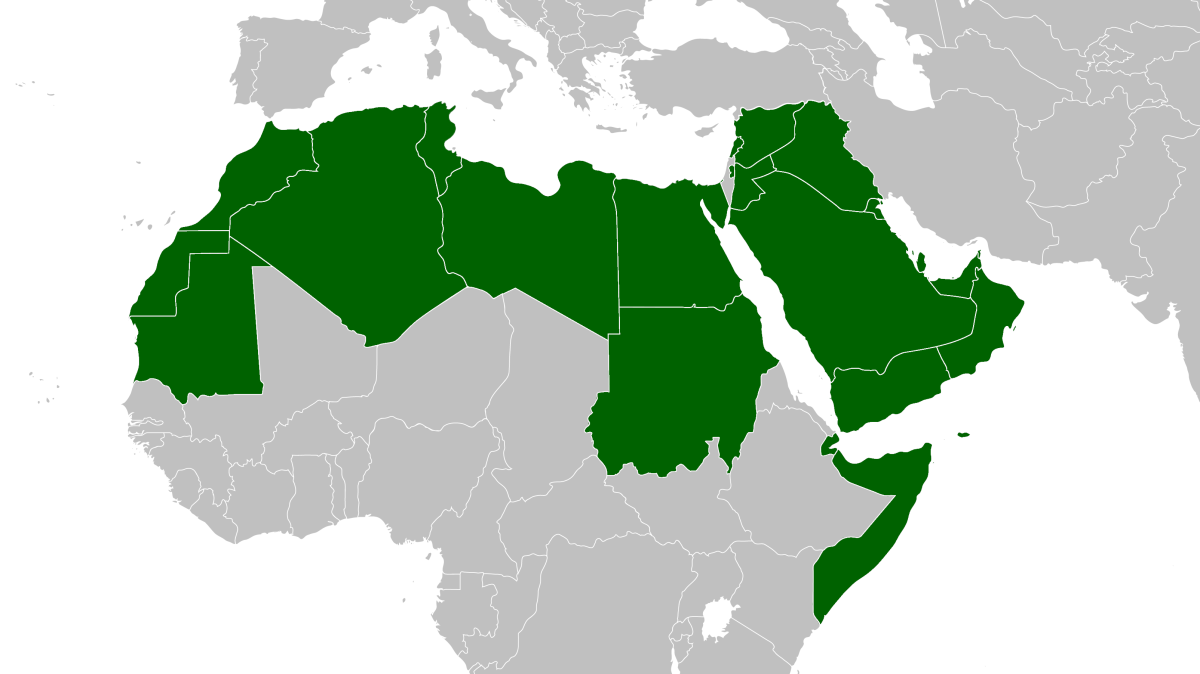
Seas are smaller bodies of water than oceans, often located near or partly enclosed by land, like the Red Sea, the Mediterranean Sea, and the Arabian Gulf — seas that are very important to the Arab world for trade and tourism.
Oceans and seas play a huge role in our lives: they're a major source of fish and food, help regulate Earth's climate, and are used to transport goods between countries by ship. They're also home to millions of different marine creatures, from the tiniest microscopic organisms to the largest animals, like the blue whale.
- The Pacific Ocean: the world's largest ocean
- The Atlantic and Indian Oceans: large oceans connecting different continents
- The Red Sea and Mediterranean: important seas in the Arab world
- Oceans are home to millions of marine creatures and a major food source