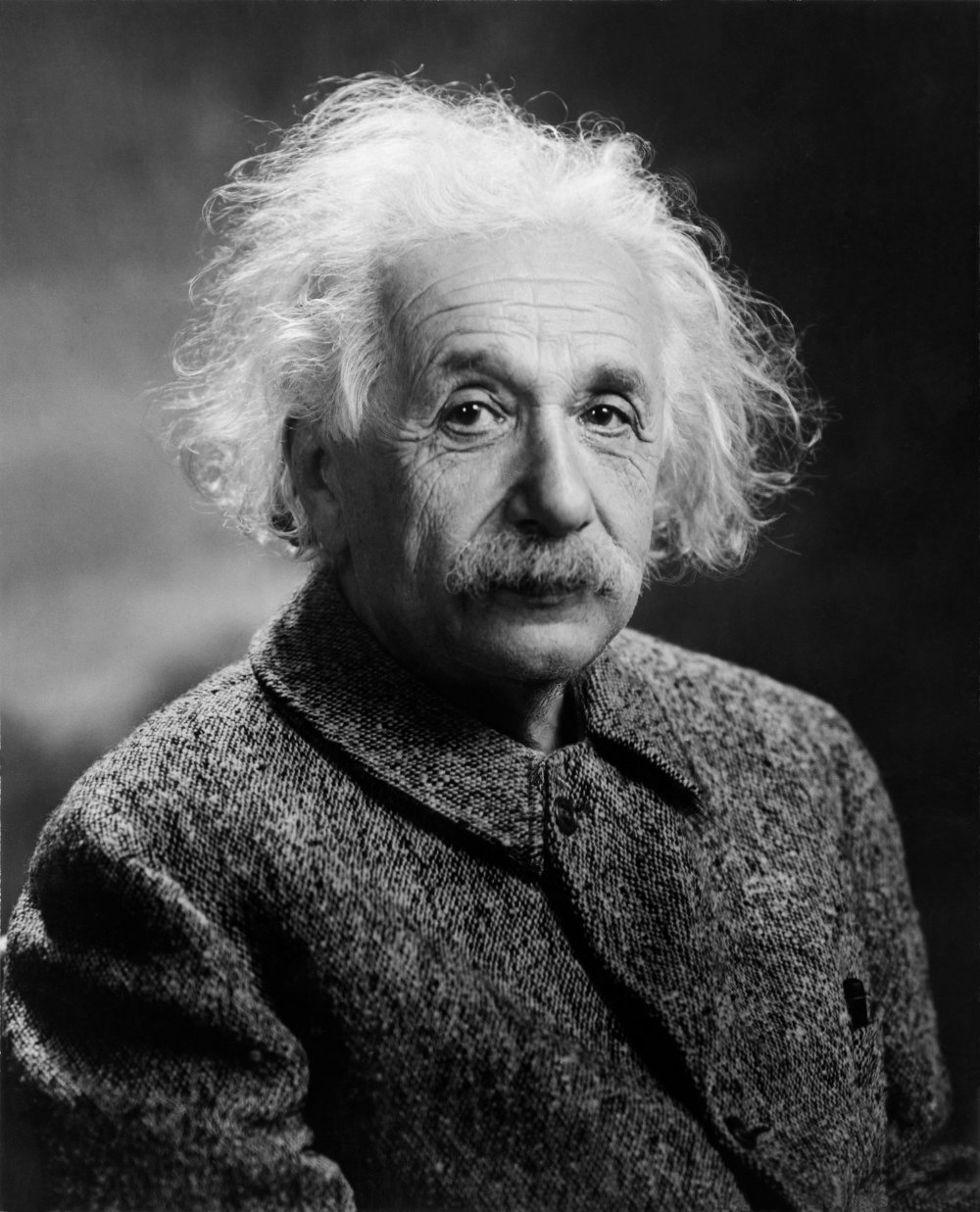
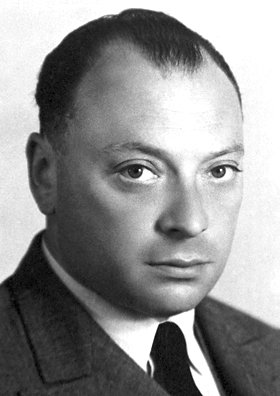
Wolfgang Pauli was born in 1900 in Vienna, Austria, and showed exceptional early brilliance, publishing a comprehensive review article on relativity as a student that earned praise from Albert Einstein himself. He earned his doctorate from the University of Munich in 1921 under Arnold Sommerfeld, later worked with Niels Bohr in Copenhagen, and settled as a professor at the Swiss Federal Institute of Technology in Zurich.
In 1925 Pauli formulated the «exclusion principle», stating that no two electrons in the same atom can occupy the same quantum state simultaneously. This principle explained the structure of electron shells around the nucleus and became the theoretical foundation for understanding the periodic table and the very stability of matter.
Scientific Legacy
In 1930 Pauli theoretically predicted the existence of a nearly massless particle to explain apparent missing energy in beta decay, later named the «neutrino», which was not experimentally detected until 1956. Pauli was awarded the 1945 Nobel Prize in Physics for the exclusion principle, and was also known for his sharp, uncompromising criticism of weak scientific ideas. He died in 1958.