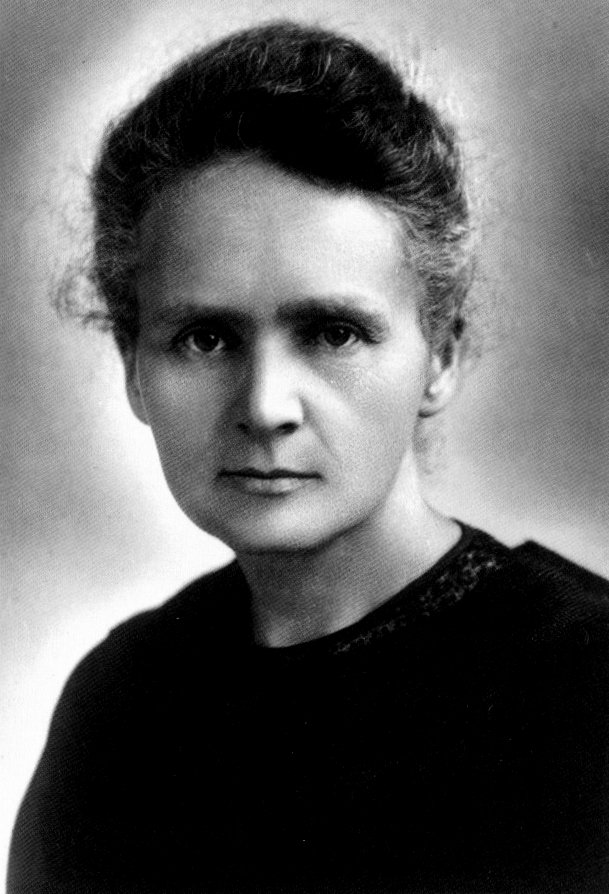
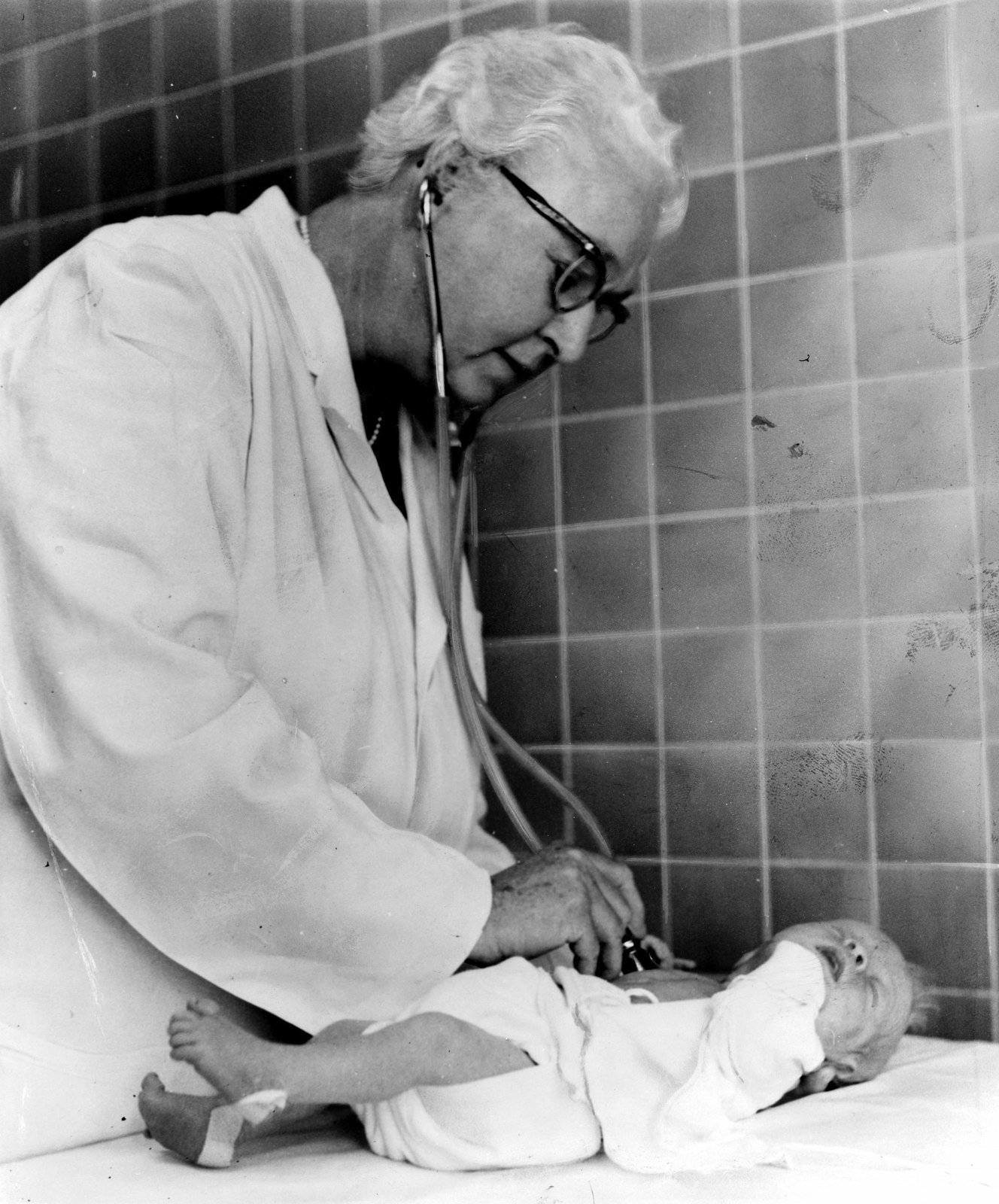
Virginia Apgar was born in 1909 in Westfield, New Jersey, and studied medicine, specializing in anesthesiology at a time when the field was still new and had few women. Working at Columbia University's hospital, she observed firsthand that physicians paid great attention to mothers during childbirth, while a newborn's condition was left to unsystematic observation that could miss critical warning signs.
In 1952, Apgar devised a quick, simple scoring system any medical staff could apply within just one minute of birth, measuring five vital signs: skin color, heart rate, reflex response, muscle tone, and breathing, each scored from zero to two. This «Apgar score» became a global standard applied to every newborn at one minute and five minutes after birth.
A Legacy That Saves Lives Every Day
The Apgar score allowed physicians to identify infants needing urgent medical intervention using a clear, unified language, significantly reducing newborn deaths caused by problems not detected in time. Later in her career, Apgar turned to preventing birth defects with the March of Dimes foundation, leaving a legacy applied daily to millions of newborns around the world.