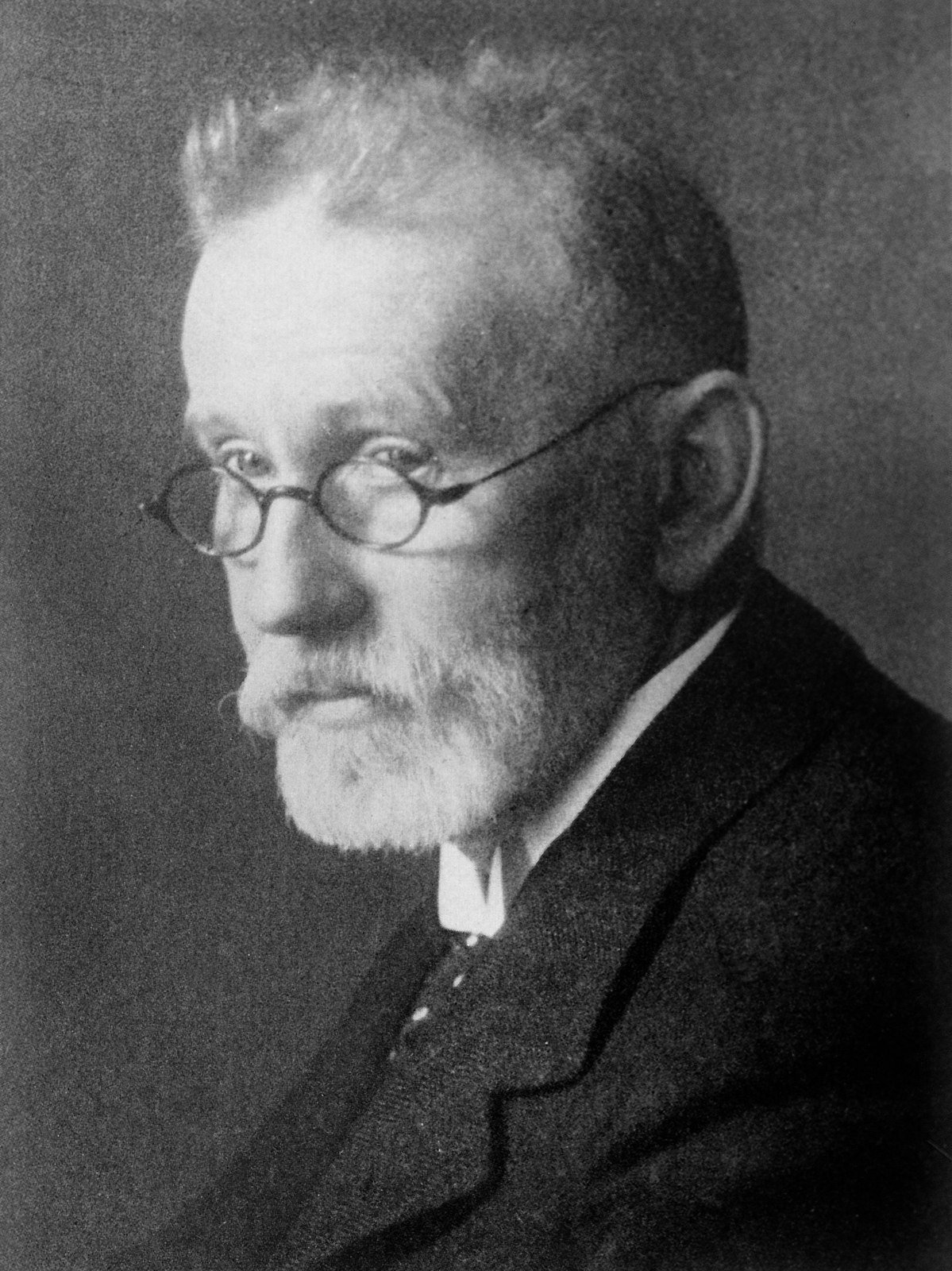
Paul Ehrlich was born in 1854 in Strehlen, Silesia, Germany, and studied medicine at several German universities before becoming absorbed in research on chemical dyes and how they reacted with living tissue. Ehrlich noticed that certain dyes stained specific cells or microbes and not others, leading him to a bold idea: if a chemical compound could be engineered to target only a disease-causing microbe without harming healthy body cells, it would act as a «magic bullet» against infectious disease.
Ehrlich spent years testing hundreds of chemical compounds in search of a treatment for syphilis, until in 1909, with his Japanese assistant Sahachiro Hata, he arrived at compound 606, marketed as «Salvarsan», the first chemical drug to precisely target a disease-causing agent, making it the first modern chemotherapeutic agent in history.
Founder of Quantitative Immunology and Chemotherapy
Alongside his discovery of Salvarsan, Ehrlich made fundamental contributions to immunology through his research on antibodies and how they function, winning the 1908 Nobel Prize in Medicine jointly with Élie Metchnikoff. Ehrlich is regarded today as the father of modern chemotherapy, the foundation on which targeted drug therapy and chemical cancer treatments were later built.