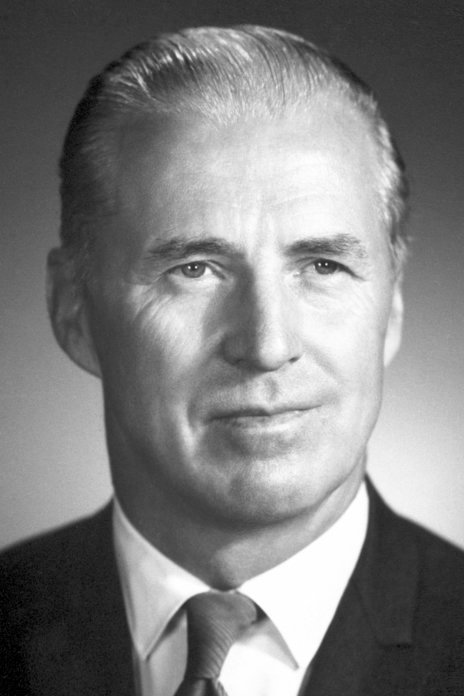
Norman Borlaug was born in 1914 near Cresco, Iowa, to a farming family of Norwegian descent. He studied forestry and plant pathology at the University of Minnesota, earning a PhD in plant pathology and genetics in 1942. In 1944 he moved to Mexico to work on an agricultural research program run jointly by the Mexican government and the Rockefeller Foundation, aimed at helping the country achieve wheat self-sufficiency after repeated famines and food shortages.
Over nearly two decades of careful crossbreeding and selection, Borlaug developed new wheat varieties that were short-stemmed, disease-resistant, and highly responsive to fertilizer, able to support heavy grain heads without collapsing. These varieties multiplied Mexico's wheat yields several times over within a short period, and the technology was then transferred to India and Pakistan in the 1960s when both countries stood on the brink of mass famine, averting a major humanitarian catastrophe.
Scientific Legacy
This global agricultural breakthrough became known as the «Green Revolution,» and the varieties developed by Borlaug and his colleagues are estimated to have saved over a billion people from starvation worldwide. He was awarded the Nobel Peace Prize in 1970 for this achievement, becoming one of the few people to receive the Nobel Prize, the Presidential Medal of Freedom, and the Congressional Gold Medal. Borlaug continued his research and teaching into his later years, advocating for investment in agricultural science to address global food security, and died in 2009 at age 95.