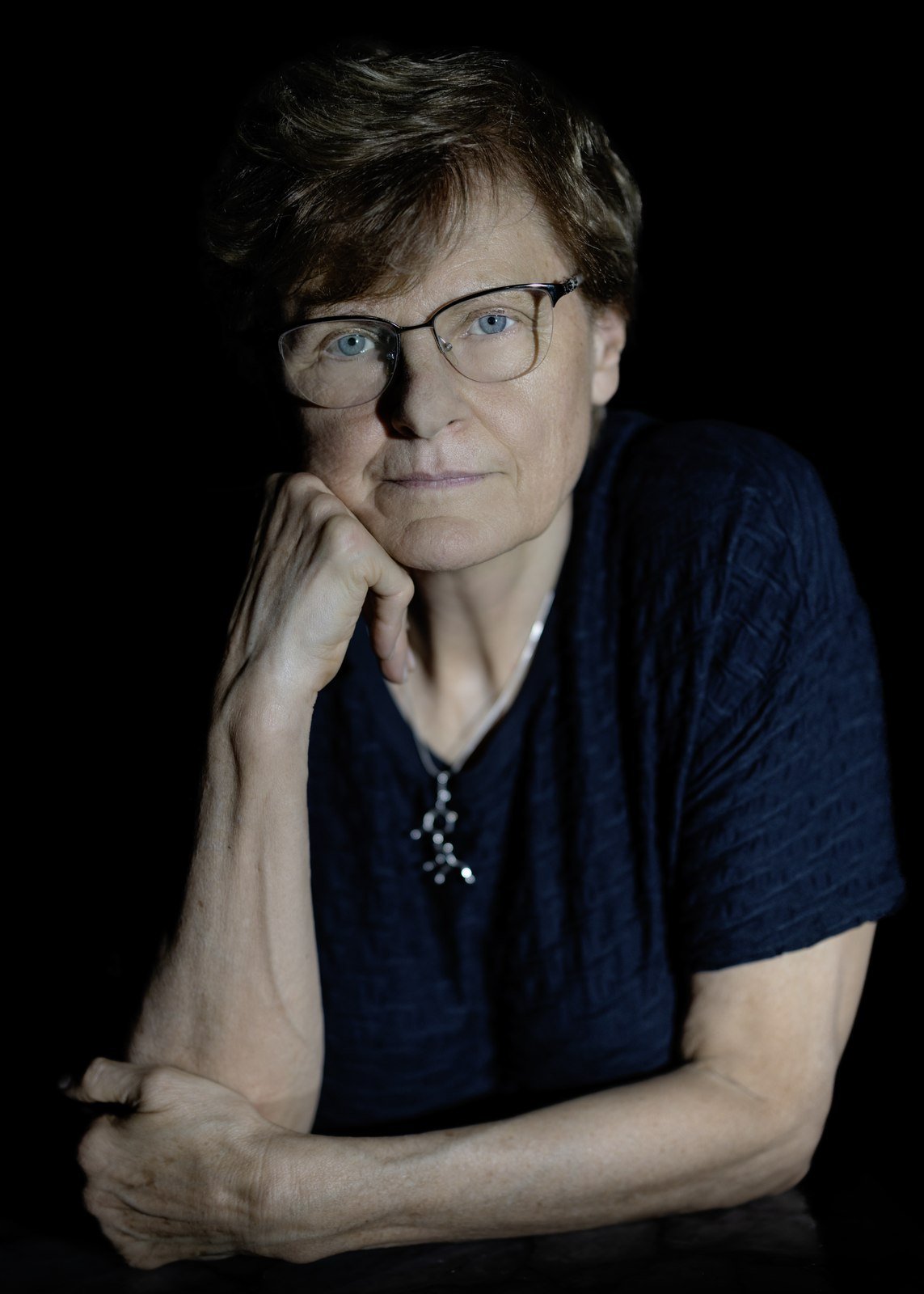
Katalin Karikó was born in 1955 in Szolnok, Hungary, and grew up in a modest home without electricity or running water in the town of Kisújszállás. She studied biochemistry at the University of Szeged, and emigrated to the United States in 1985 after her family sold their car to smuggle the permitted cash inside her daughter's teddy bear, in search of better research opportunities.
Karikó spent decades of her research career convinced that mRNA molecules could be used to instruct human cells to produce their own therapeutic or immune proteins, though the idea was met with widespread skepticism from the scientific community and repeatedly denied funding, and she was even demoted at the University of Pennsylvania. She persisted, and in 2005, with colleague Drew Weissman, published a pivotal discovery: a simple chemical modification to one mRNA component prevents the immune system from attacking it upon injection, opening the door to its safe therapeutic use.
From Marginalization to Saving the World
When the COVID-19 pandemic struck the world in 2020, this discovery formed the technical foundation that allowed Pfizer-BioNTech and Moderna to develop mRNA vaccines at a speed unprecedented in the history of vaccination. Karikó and Weissman won the 2023 Nobel Prize in Medicine, capping an extraordinary story of scientific persistence through decades of funding obstacles and skepticism.