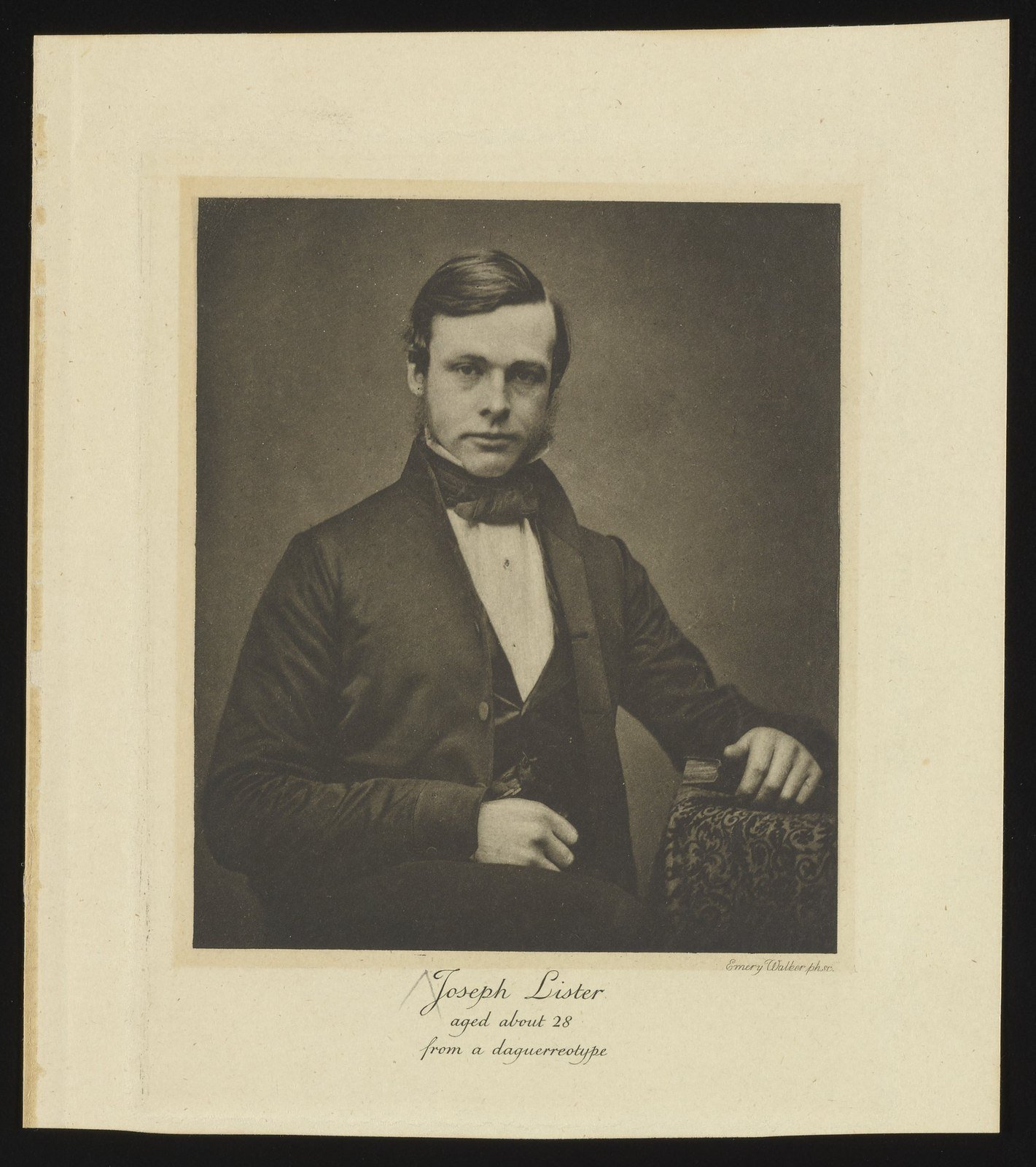
Joseph Lister was born in 1827 in Upton, Essex, England, and studied medicine at University College London before becoming a surgeon and professor at the University of Glasgow. In his era, hospitals were dangerous places; roughly half of patients undergoing major surgery died from postoperative infection, a phenomenon then called «hospital gangrene» with no understood cause.
Influenced by the French chemist Louis Pasteur's research on the role of microbes in putrefaction, Lister concluded that surgical infections were likewise caused by microorganisms entering the wound. Starting in 1865, he began using carbolic acid (phenol) to sterilize surgical instruments, wound dressings, and even the air of the operating theatre, in the first systematic application of antiseptic technique in the history of surgery.
A Quiet Revolution in the Operating Room
Lister's methods produced a dramatic drop in deaths from surgical infection, though he initially faced fierce resistance from colleagues accustomed to operating without any sterilization precautions. By the close of the 19th century his principles had become a globally accepted standard, paving the way for the safe, sterile modern surgery we rely on today.