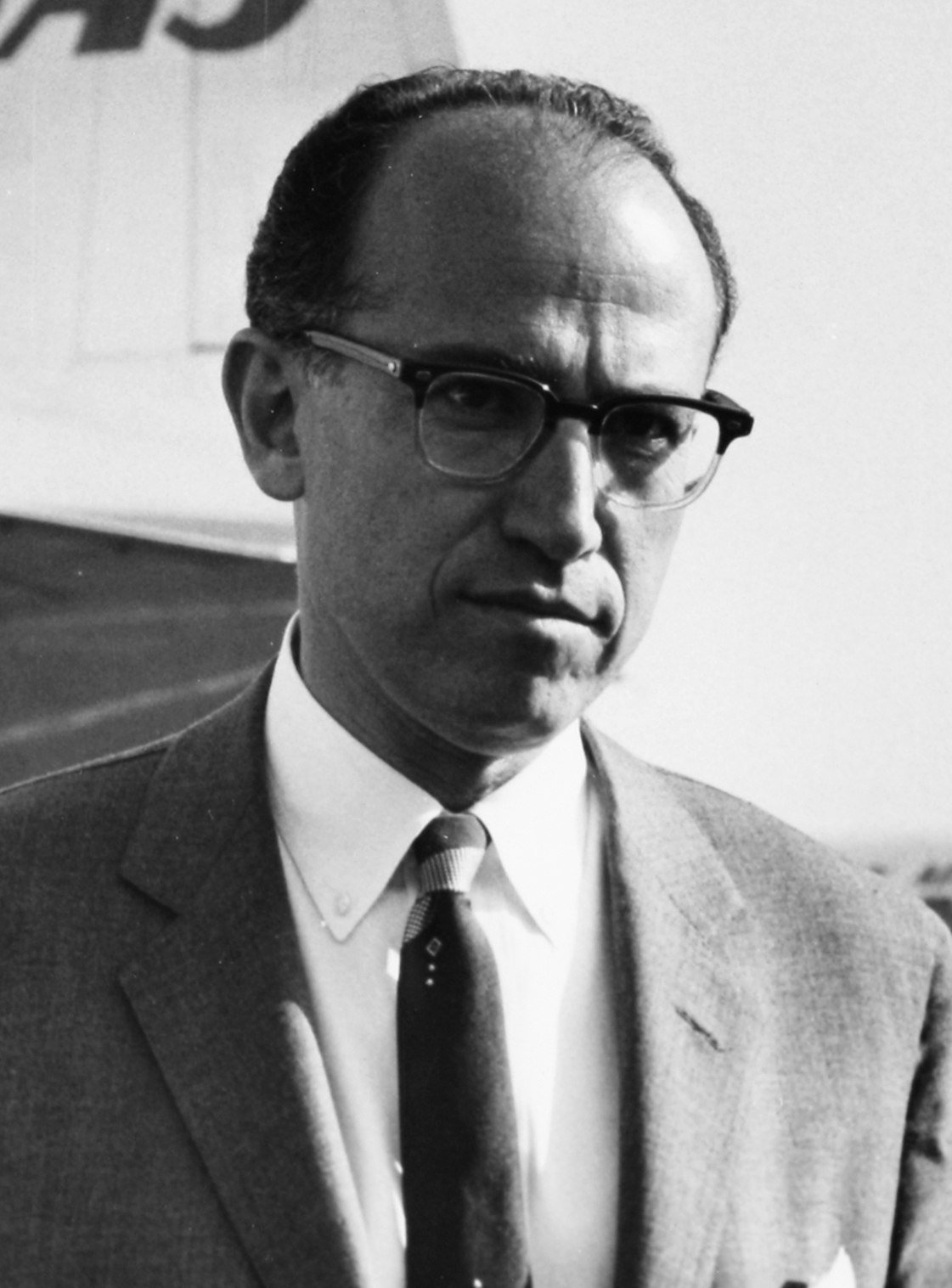
Jonas Salk was born in 1914 in New York City to a family of Eastern European Jewish immigrants, and studied medicine at New York University before specializing in virus research. By the mid-20th century, polio was one of the most feared diseases in the United States, striking thousands of children annually and leaving many paralyzed for life or dependent on the «iron lung» to breathe.
Salk worked at the University of Pittsburgh to develop a vaccine using an inactivated (killed) virus rather than the live attenuated virus many of his colleagues preferred, believing this approach to be safer. After years of testing, the largest medical clinical trial in history up to that point was conducted in 1954, involving over a million American children, and its results, announced in 1955, proved Salk's vaccine to be safe and highly effective.
A Gift Without a Patent
The announcement of the vaccine's success triggered widespread celebration across the United States, as polio infections plummeted within a few years. When asked in a television interview who owned the patent to the vaccine, Salk famously replied that the sun could not be patented, refusing to file any personal patent and putting the discovery within reach of the entire world for free, a stance later hailed as a rare model of scientific generosity.