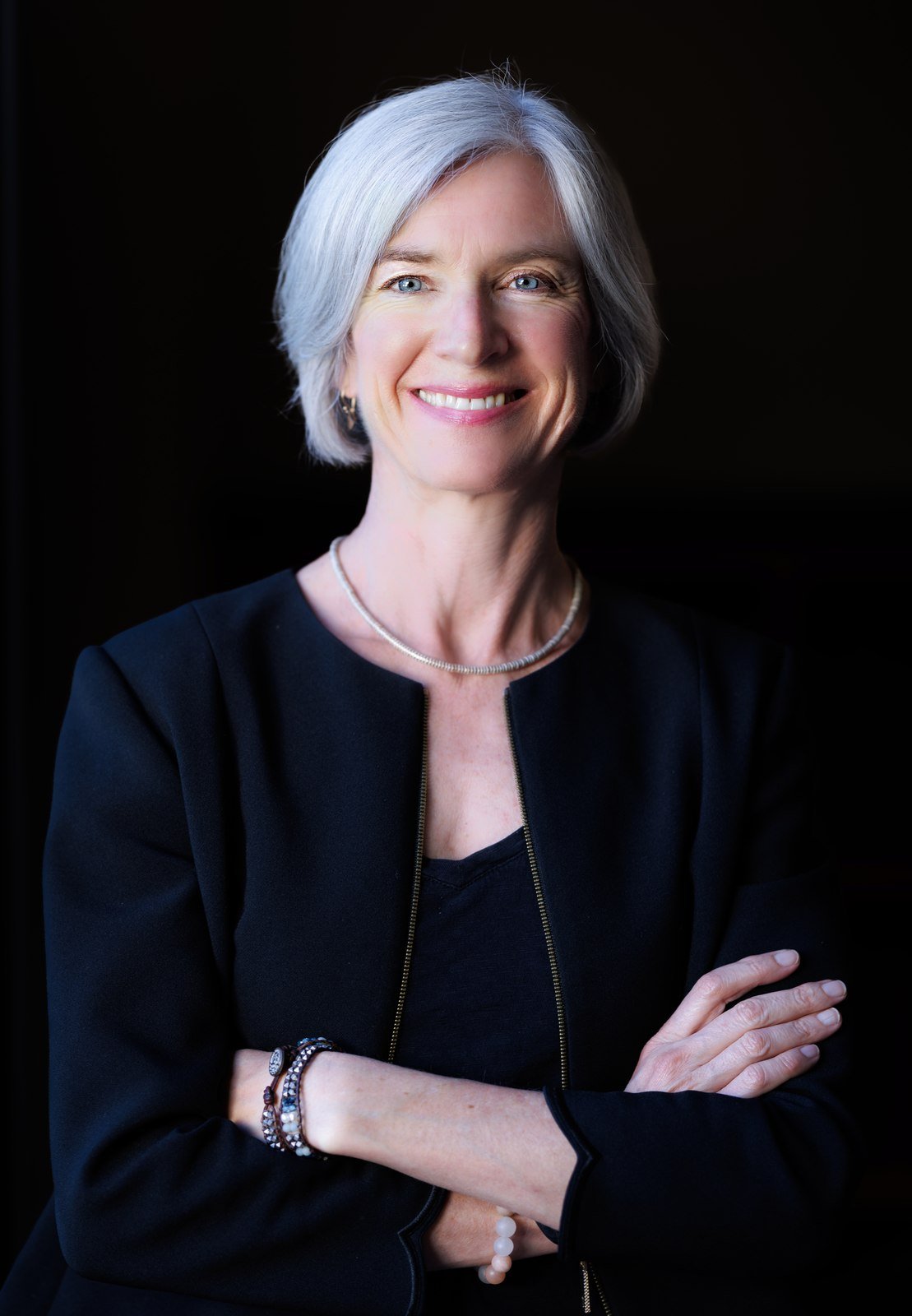
Jennifer Doudna was born in 1964 in Washington, D.C., and grew up in Hawaii, where her scientific curiosity grew after her father gave her a copy of James Watson's «The Double Helix». She studied biochemistry, specializing in the structure of RNA molecules, and became a prominent professor at the University of California, Berkeley.
In 2012, working with French microbiologist Emmanuelle Charpentier, Doudna discovered how the CRISPR-Cas9 system, a natural bacterial defense mechanism against viruses, could be harnessed as a programmable tool to cut DNA at any specific location with extraordinary precision. This innovation transformed gene editing from a slow, costly process into a fast, relatively inexpensive technique usable by laboratories worldwide.
A Revolution in Medicine and Agriculture
CRISPR technology opened vast horizons for treating genetic diseases, developing more resilient crops, and fundamental biological research. Doudna and Charpentier won the 2020 Nobel Prize in Chemistry, becoming the first all-female duo to share a Nobel science prize, and Doudna has been an active voice in the global debate over the ethics of this powerful technology.