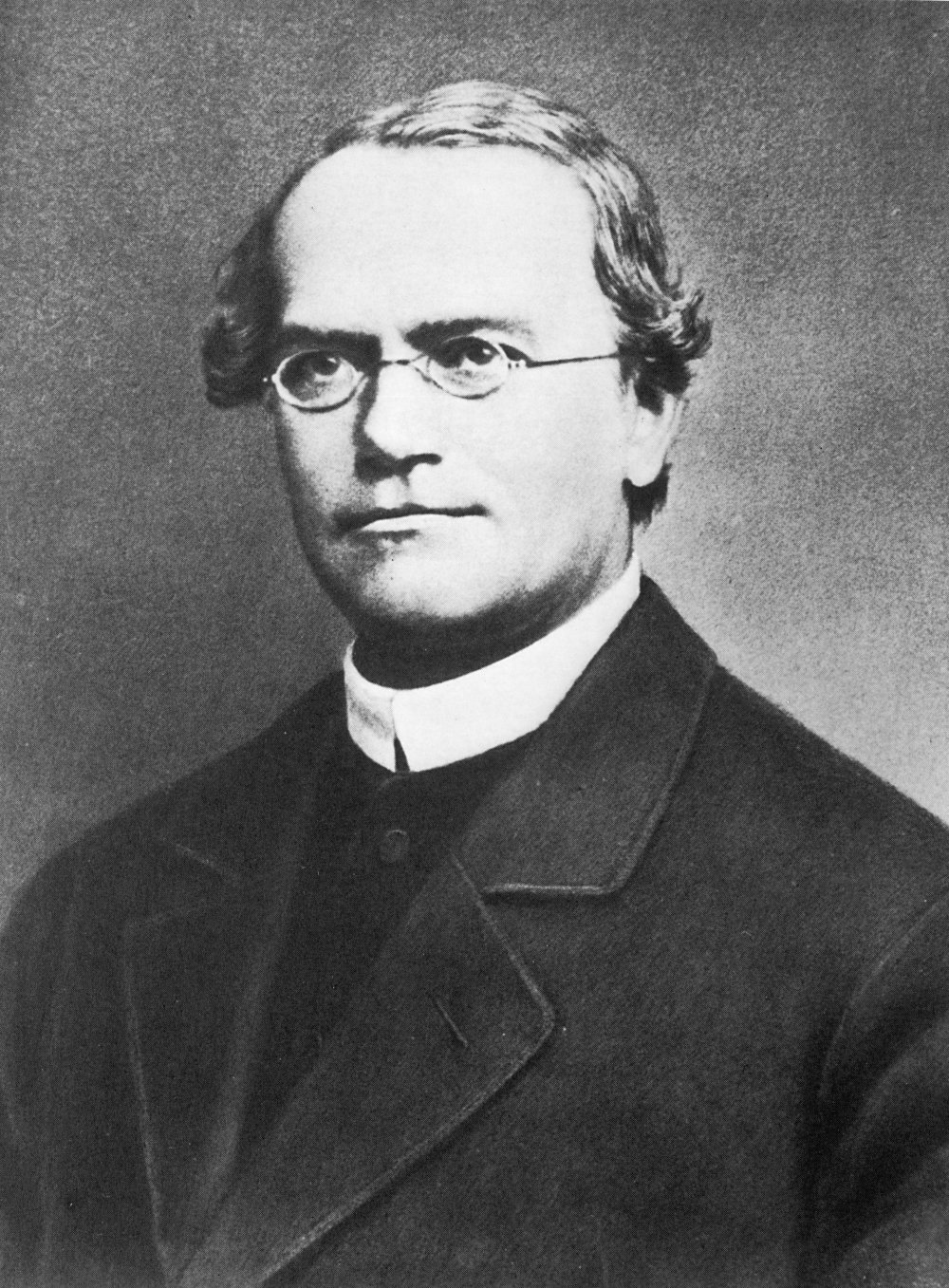
Gregor Mendel was born in 1822 in the village of Hynčice in the Austrian Empire, in what is now the Czech Republic, and grew up in a modest farming family before joining an Augustinian monastery in Brno, becoming both a monk and a scientist.
Between 1856 and 1863, Mendel conducted meticulous, systematic experiments on pea plants in the monastery garden, breeding thousands of plants and tracking traits such as flower color and seed shape across generations. Through these observations he uncovered the basic laws of heredity, distinguished between dominant and recessive traits, and found that traits pass down through discrete units later named “genes.”
A scientist unrecognized in his lifetime
Mendel published his findings in 1866, but they attracted little attention from the scientific community of his day, and his work remained largely obscure for decades. Only at the turn of the 20th century, when other scientists independently rediscovered his laws, was his importance finally recognized, earning him the title “father of modern genetics.”
- Discovered the fundamental laws of heredity
- Distinguished dominant and recessive traits
- Established the concept of hereditary units, later called genes
- Founded genetics as an independent scientific field