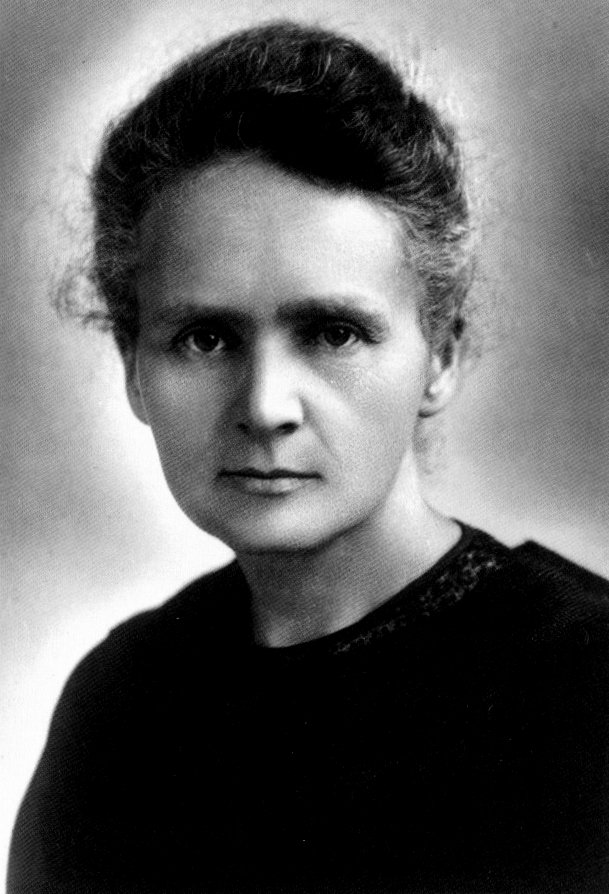
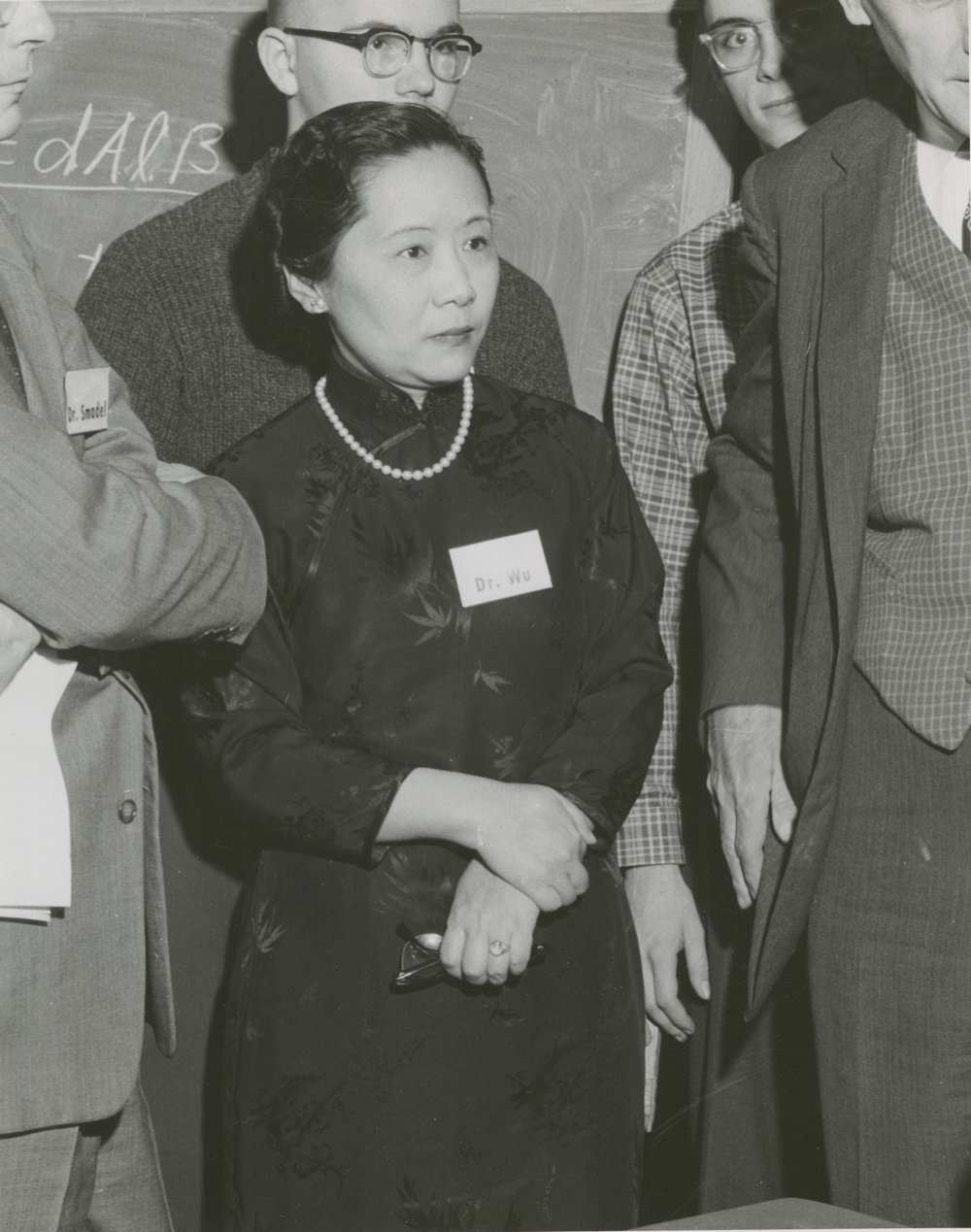
Chien-Shiung Wu was born in 1912 in the town of Liuhe near Taicang in China's Jiangsu province, to a family that encouraged her education at a time when schooling for girls was uncommon. She studied physics at National Central University in Nanjing, then traveled to the United States in 1936 for graduate study at the University of California, Berkeley, earning her PhD in 1940.
During World War II, Wu worked on the Manhattan Project, helping develop methods for separating uranium isotopes by gaseous diffusion. She became renowned for her extraordinary precision in the laboratory, earning the nickname «the First Lady of Physics.» In 1956, physicists Tsung-Dao Lee and Chen-Ning Yang asked her to test their theoretical hypothesis that parity conservation might not hold in weak nuclear interactions.
Scientific Legacy
Wu designed a meticulous experiment using cobalt-60 atoms cooled to near absolute zero, and in 1957 demonstrated that parity is indeed violated in weak interactions — a discovery for which Lee and Yang won the Nobel Prize in Physics, while her decisive experimental contribution went unrecognized by the committee, an omission later cited as one of the starkest examples of women overlooked in Nobel history. She became the first woman elected president of the American Physical Society in 1975, and the first recipient of the Wolf Prize in Physics in 1978.