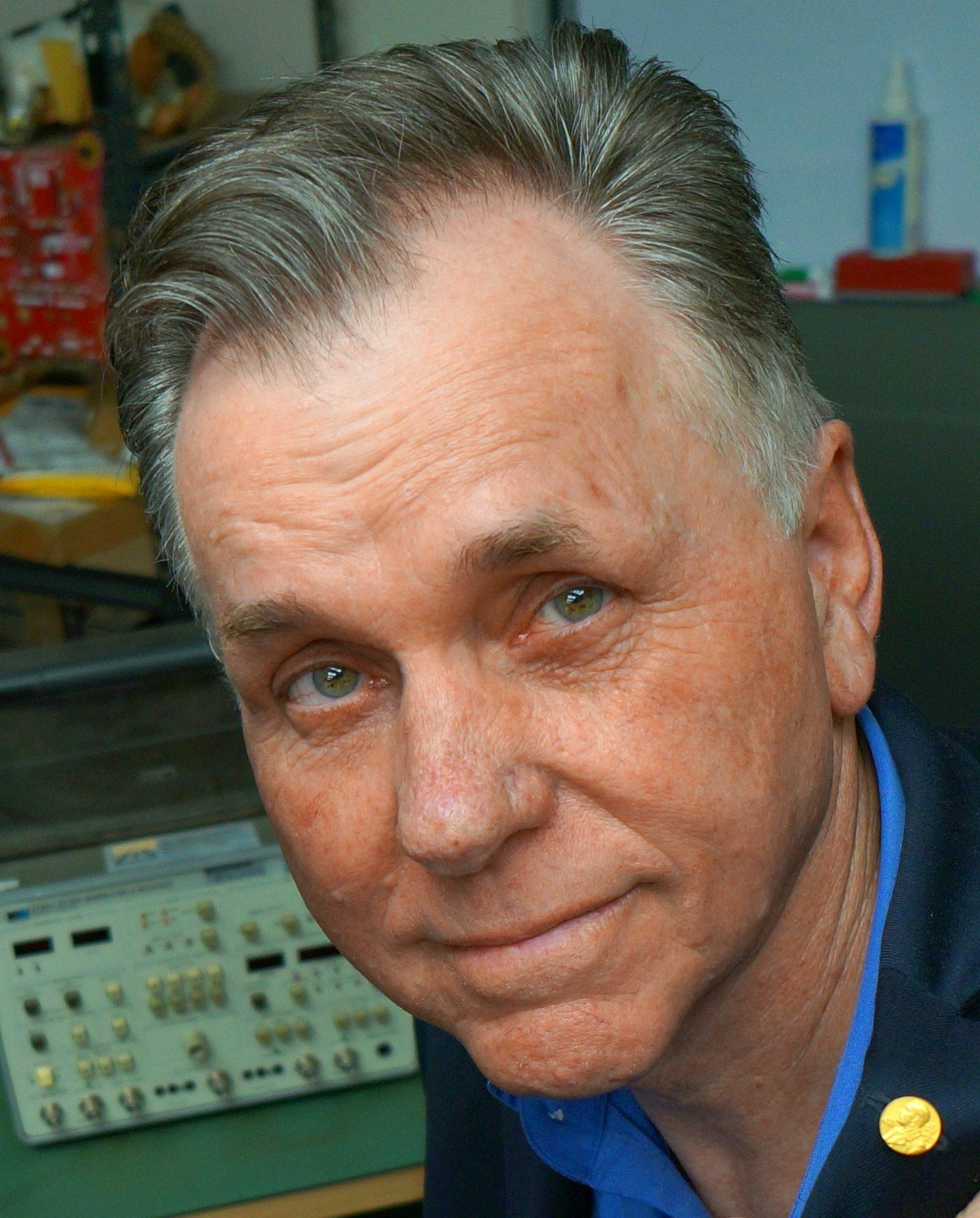
Barry Marshall was born in 1951 in Kalgoorlie, Western Australia, studied medicine, and later specialized in gastroenterology. In the 1980s, prevailing medical belief held that stomach and duodenal ulcers were caused by stress and excess acid, typically treated with lifestyle changes and antacid medications that often continued for life without a real cure.
Working with pathologist Robin Warren, Marshall noticed a spiral-shaped bacterium, later named Helicobacter pylori, recurring in tissue samples from ulcer patients' stomachs. The pair proposed the bold hypothesis that this bacterium was the actual cause of ulcers, but the medical community strongly rejected the idea as it contradicted decades of established assumptions, and Marshall's animal trials failed to induce infection to prove the hypothesis.
A Bold Experiment on Himself
In an unusual step in 1984, Marshall drank a solution loaded with H. pylori bacteria himself, developing acute gastritis that proved the hypothesis in practice, and was subsequently cured with antibiotics, confirming that bacterial infection was the cause. This discovery transformed ulcer treatment from managing chronic symptoms into an outright cure with simple antibiotics within weeks, and Marshall and Warren won the 2005 Nobel Prize in Medicine.