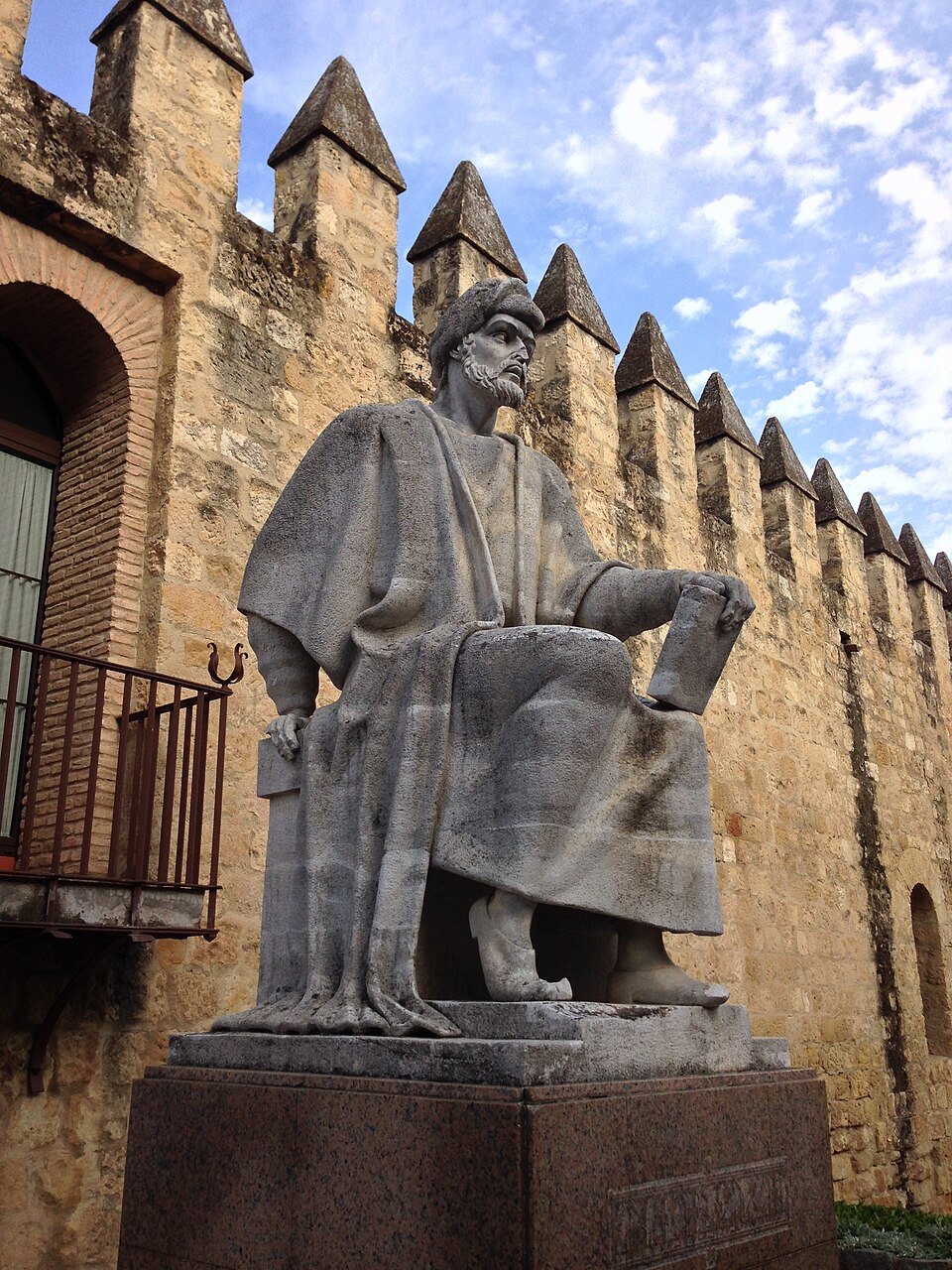
Abu al-Walid Muhammad ibn Ahmad ibn Rushd was born in Cordoba to a distinguished family known for judgeship and scholarship. He studied jurisprudence, medicine, and philosophy, serving as chief judge in Seville and then Cordoba, before becoming a physician and philosopher close to the Almohad court. Ibn Rushd became known for his precise, detailed commentaries on Aristotle's works, earning him the title "The Commentator" in Latin Europe, and his commentaries became the primary source through which the Latin West came to know Aristotelian philosophy in the Middle Ages.
Defending Philosophy and Comparative Jurisprudence
Ibn Rushd wrote Tahafut al-Tahafut (The Incoherence of the Incoherence) in response to al-Ghazali's critique of philosophers in his Tahafut al-Falasifa, defending the standing of reason and philosophy and their compatibility with religious law when properly understood. In jurisprudence, he authored his encyclopedic Bidayat al-Mujtahid wa Nihayat al-Muqtasid, one of the most important works of comparative Islamic law, presenting the views of different legal schools with their evidence in a systematic, impartial manner. He also wrote the medical encyclopedia Al-Kulliyat fi al-Tibb. Late in life, Ibn Rushd faced political persecution and temporary exile amid religious and political tensions, but was restored to favor shortly before his death in Marrakesh.
- Authored extensive commentaries on Aristotle that became a core reference for European Scholastic philosophy
- Wrote The Incoherence of the Incoherence, defending the standing of reason and philosophy
- Authored Bidayat al-Mujtahid, a landmark work of comparative Islamic jurisprudence
- Wrote Al-Kulliyat fi al-Tibb, a comprehensive medical encyclopedia
Ibn Rushd died in 1198 CE, and his ideas profoundly influenced later European thinkers such as Thomas Aquinas, giving rise to an intellectual movement in Europe known as "Latin Averroism," named after him.