Muhammad al-Idrisi was born in 493 AH (1100 CE) in the city of Ceuta, descended from a noble family tracing its lineage to the Idrisid rulers of Morocco. He was educated in Córdoba in al-Andalus, and in his youth traveled widely across Europe, North Africa, and Asia Minor — journeys that sharpened his practical geographic knowledge.
Al-Idrisi settled at the Norman court of King Roger II of Sicily, who commissioned him to gather the most accurate geographic information available at the time from Arabic, Greek, and European sources, cross-checked against the testimony of travelers and merchants — a scholarly project that took roughly fifteen years of dedicated work.
His Scholarly Legacy
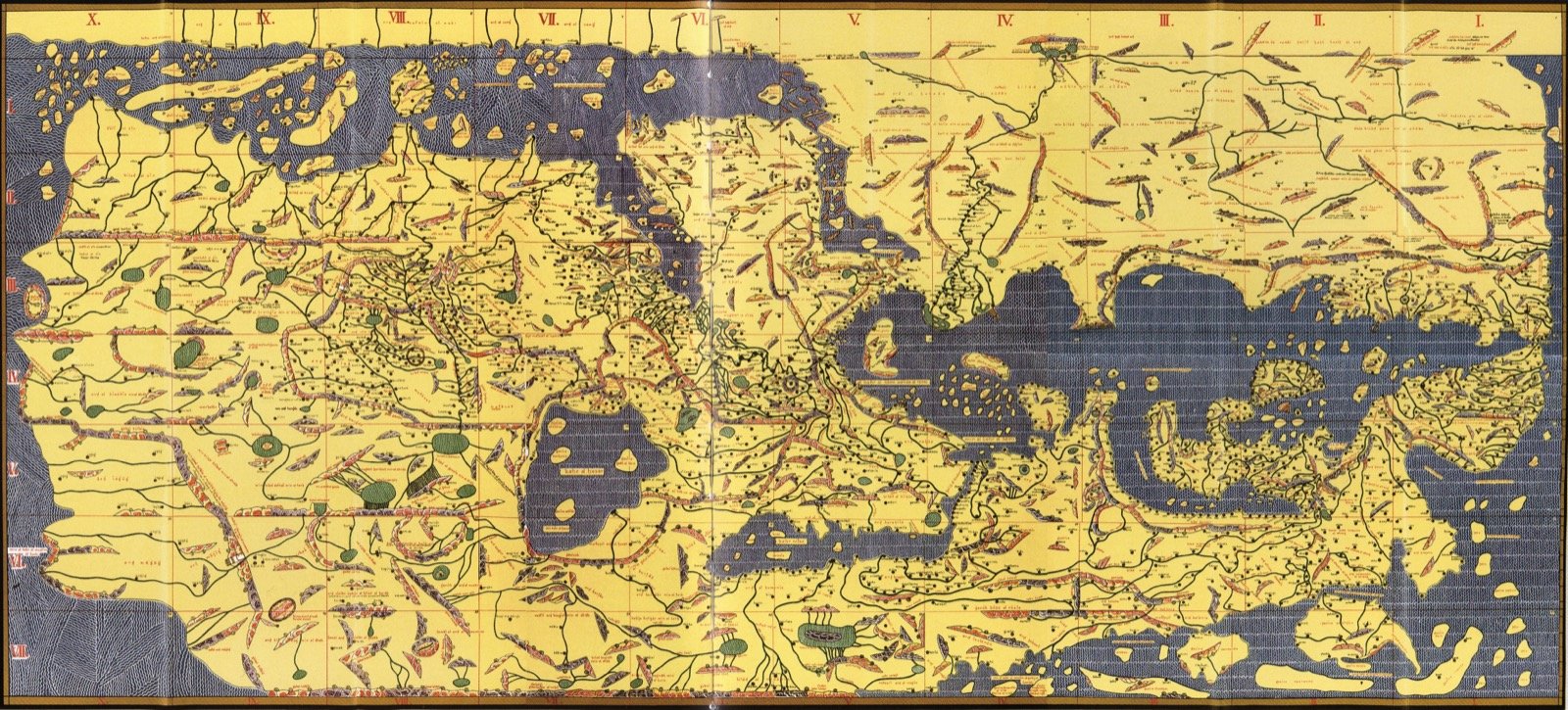
The result was Nuzhat al-Mushtaq fi Ikhtiraq al-Afaq, known in the West as the Tabula Rogeriana, which included seventy detailed regional maps and was accompanied by a large engraved silver planisphere depicting the known world. Al-Idrisi's maps remained among the most accurate produced in their era and influenced European cartography for centuries afterward. He died in 560 AH (1165 CE).