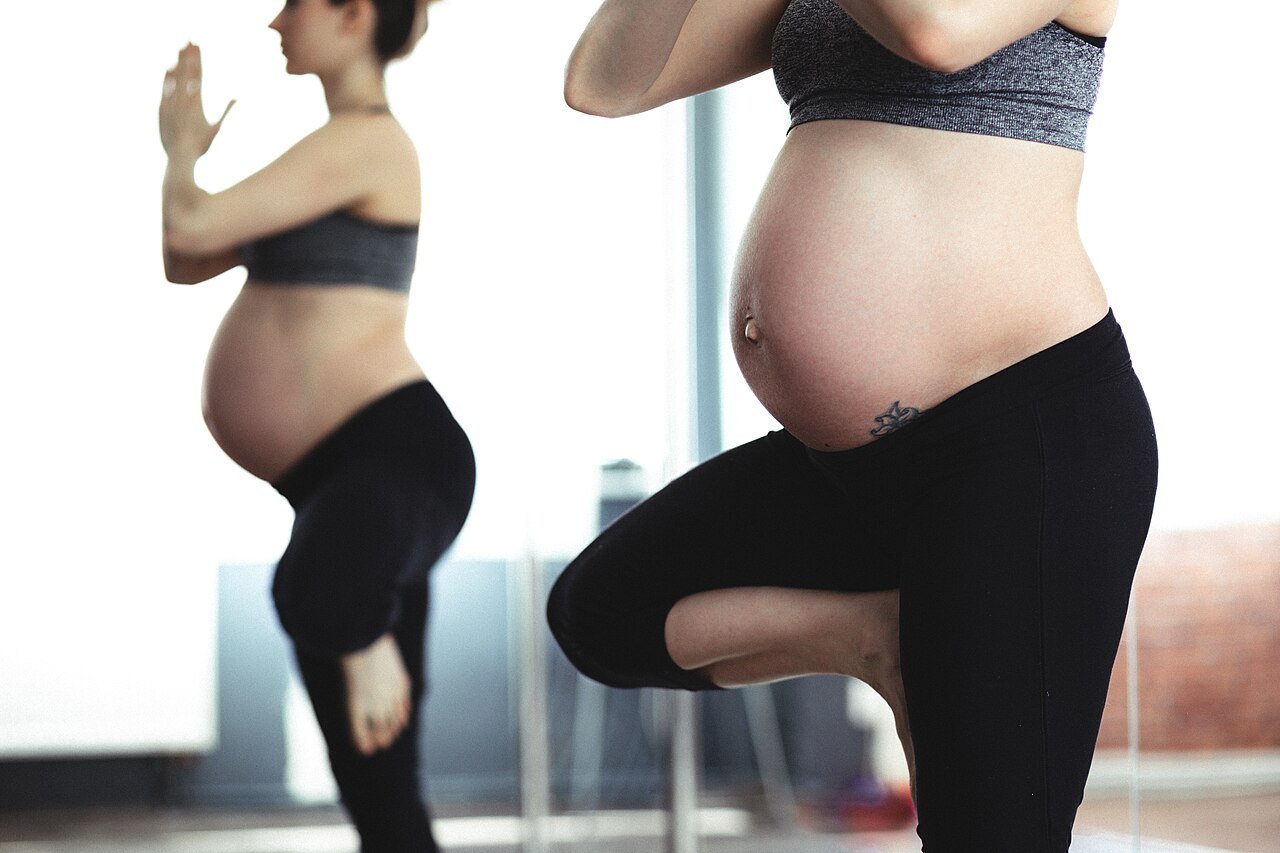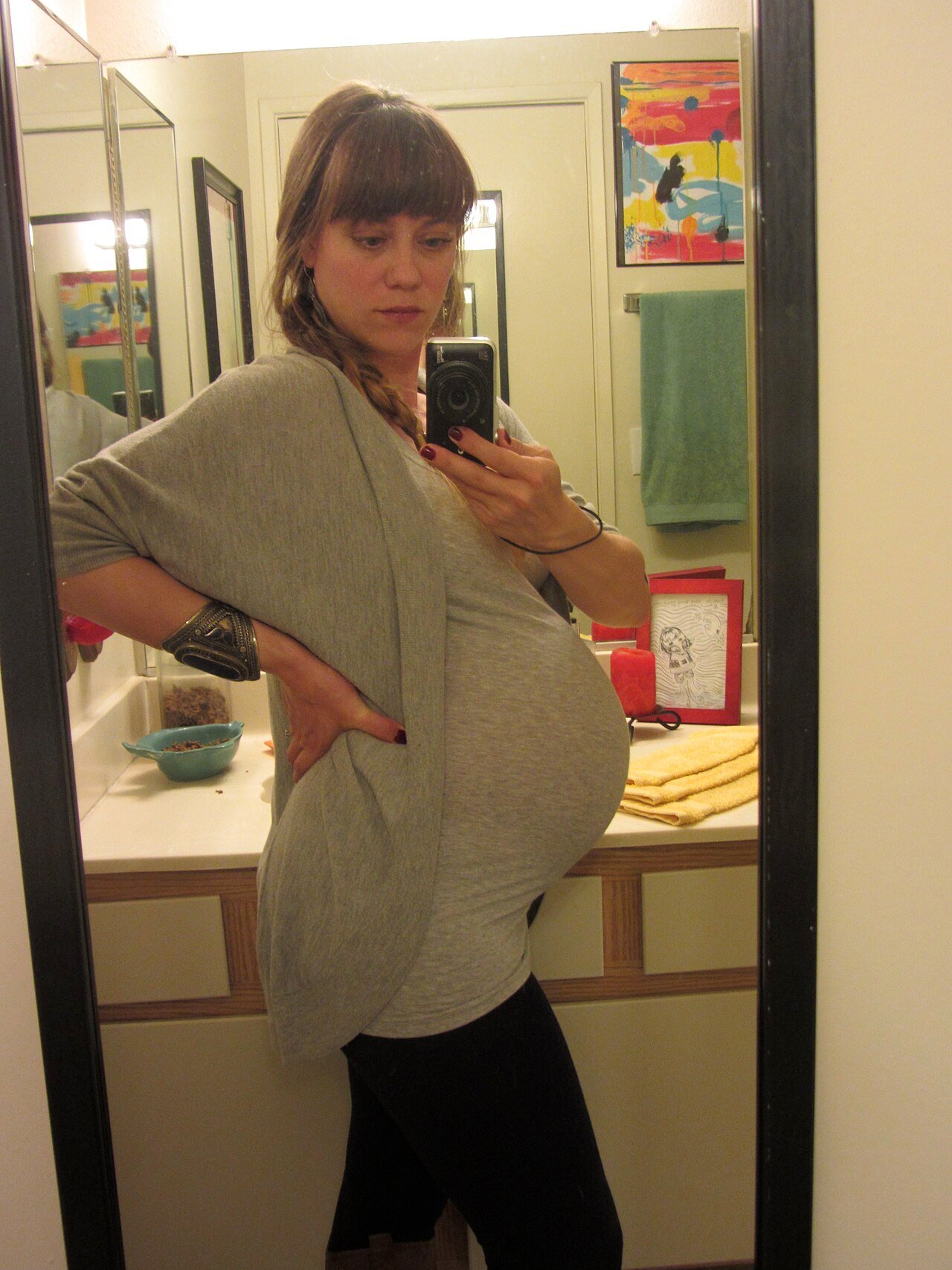
You may notice swollen, twisted veins appearing, often on the legs and sometimes around the groin — this is what's known as varicose veins. They happen because your increased blood volume during pregnancy, combined with the growing uterus pressing on major pelvic veins, adds pressure to the vein walls in your legs and makes it harder for blood to return to the heart.
Factors that raise the odds
Standing or sitting for long, unbroken stretches, rapid weight gain, and standing in high heels can all increase the appearance or worsening of varicose veins. Genetics also plays a role — if your mother had them, you're somewhat more likely to as well.
- Elevate your feet above heart level whenever you can, especially at the end of the day.
- Avoid sitting cross-legged or with legs crossed for long periods.
- Move regularly even during desk work — stand and take a few steps roughly every hour.
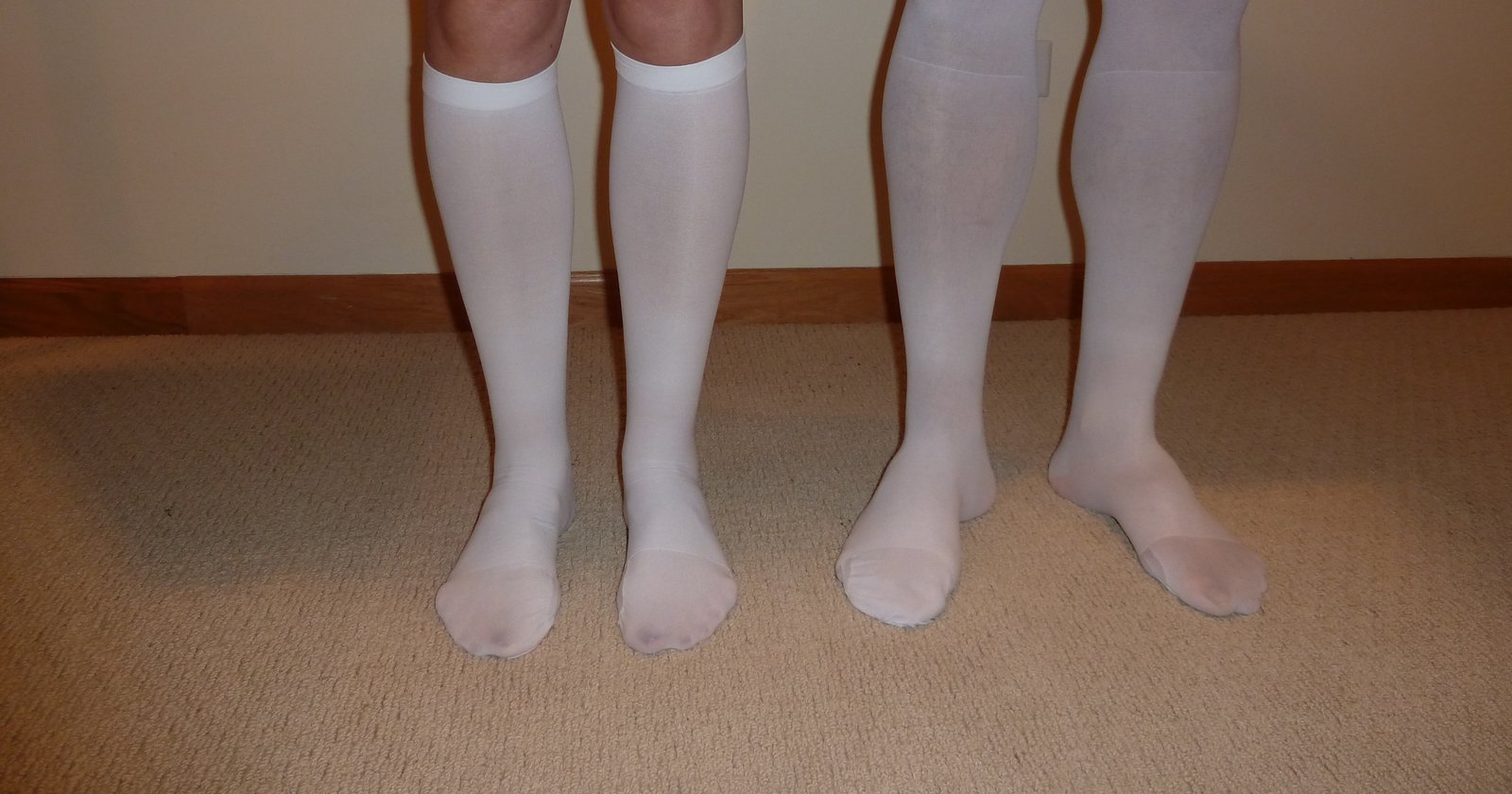
- Try medical compression stockings made for pregnancy — they noticeably improve circulation.
- Practice regular light walking or swimming, since movement helps push blood back up from the legs.
Varicose veins often ease or disappear after birth as blood volume and uterine pressure return to normal. But if you feel severe pain or sudden swelling in one leg, or localized redness and warmth, talk to your doctor right away — you may need a closer evaluation.