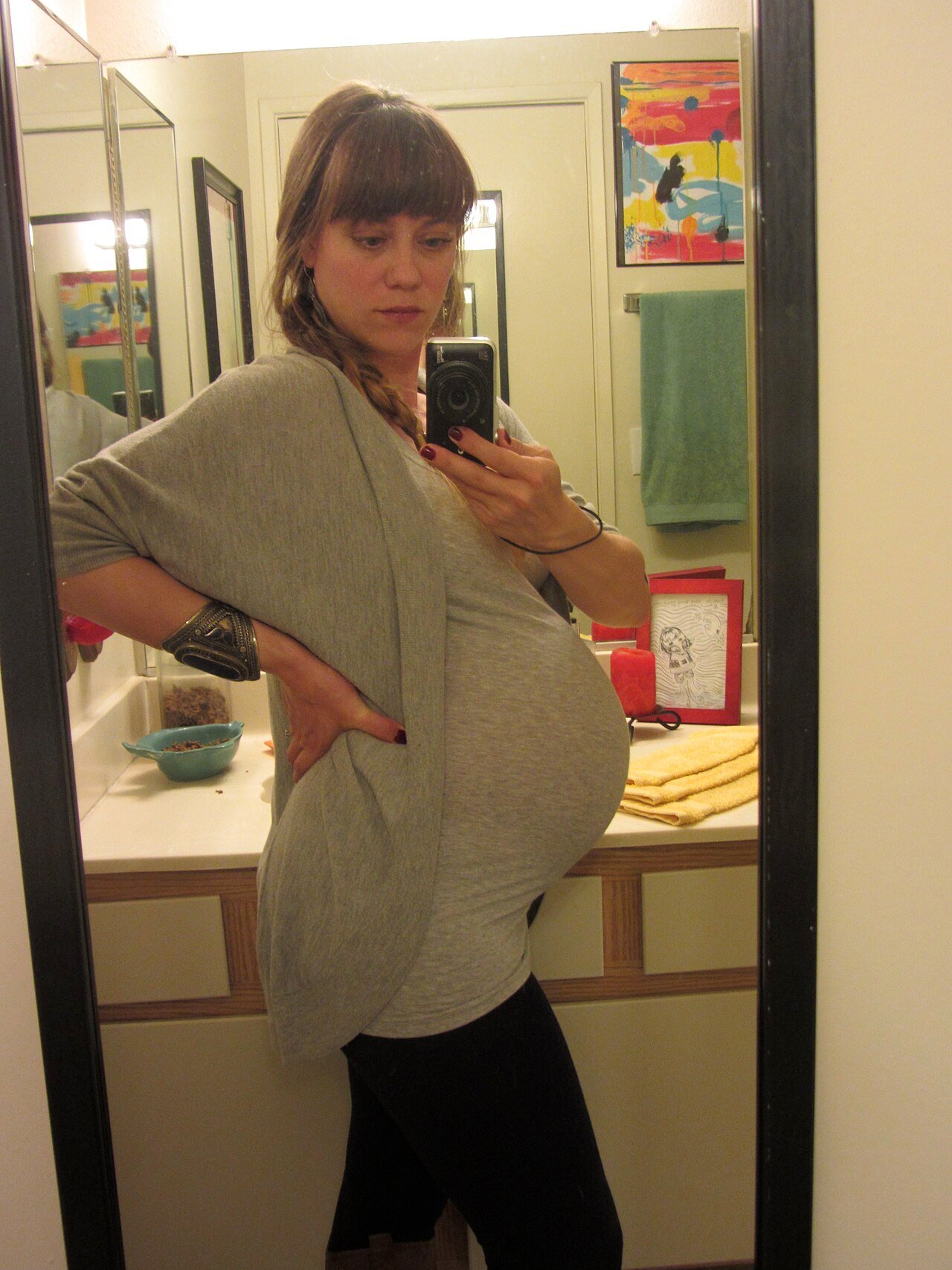
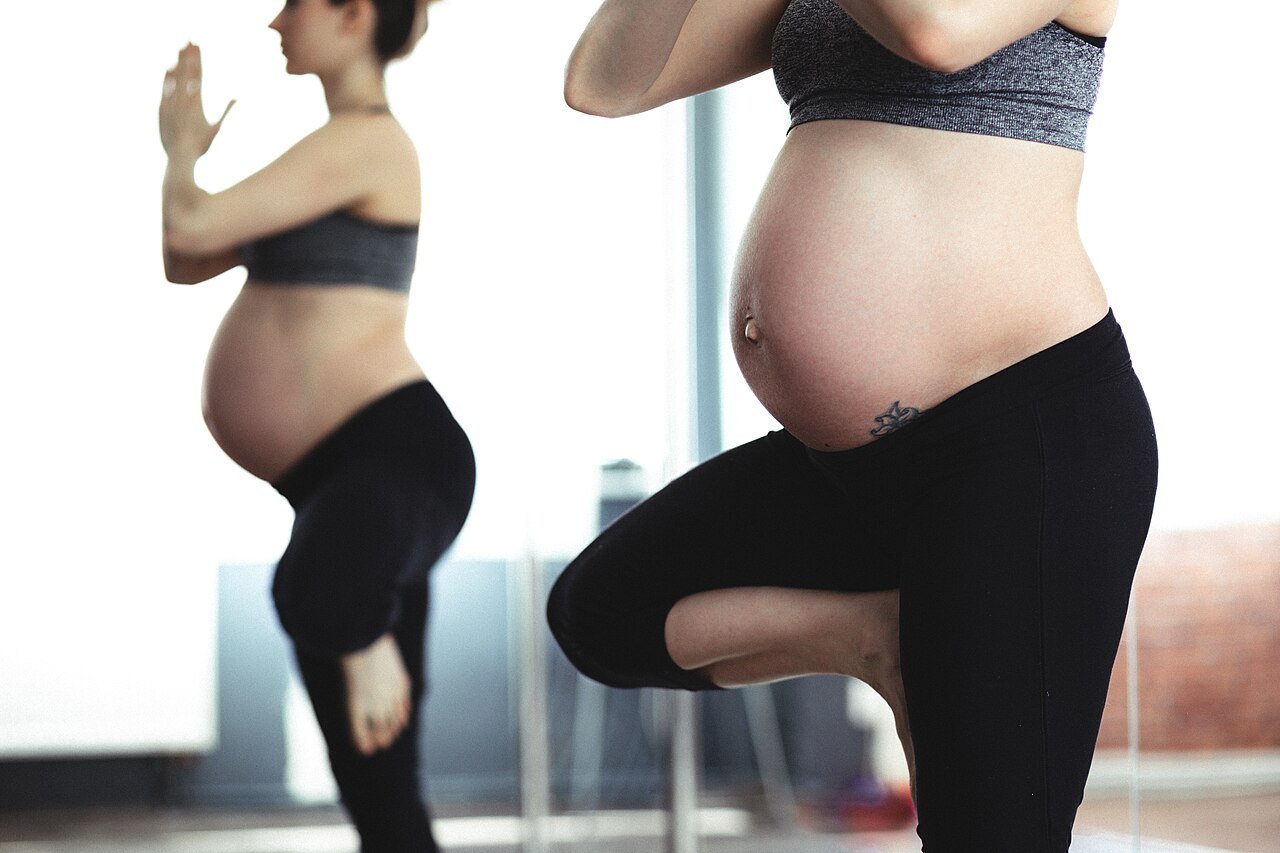
If you're exhausted despite doing almost nothing all day, or your stomach turns at the faintest smell, take heart — this is what most women go through in early pregnancy. Your body is working overtime to build the placenta and recalibrate your hormones, and that takes a tremendous amount of energy, even before your bump is visible.
Why is this happening?
A sharp rise in progesterone is the main culprit behind the drowsiness and fatigue, while pregnancy hormone (hCG) is thought to play a big role in "morning" sickness, which can actually strike any time of day. The good news is these symptoms usually ease as you move into the second trimester, around week 12 to 14.
Until then, a few simple habits can help you get through this stretch more comfortably:
- Spread your food across small, frequent meals instead of three big ones — an empty stomach makes nausea worse.
- Keep plain crackers or a few dates by your bed to eat the moment you wake, before getting up.
- Drink fluids between meals rather than with them, and try warm ginger tea or lemon water to settle your stomach.
- Don't fight the tiredness — sleep early and nap whenever you can. Your body is asking for rest for good reason.
- Avoid strong smells that trigger nausea; open a window or use a fan if you need to.
As for nutrition, don't stress if your meals aren't "perfect" right now — what matters most is that you keep eating something. Focus on whatever your stomach can tolerate, stay hydrated, and keep taking your prescribed folic acid. If nausea is severe enough that you can't keep down any food or liquids, or you notice significant weight loss, talk to your doctor — you may need closer follow-up.