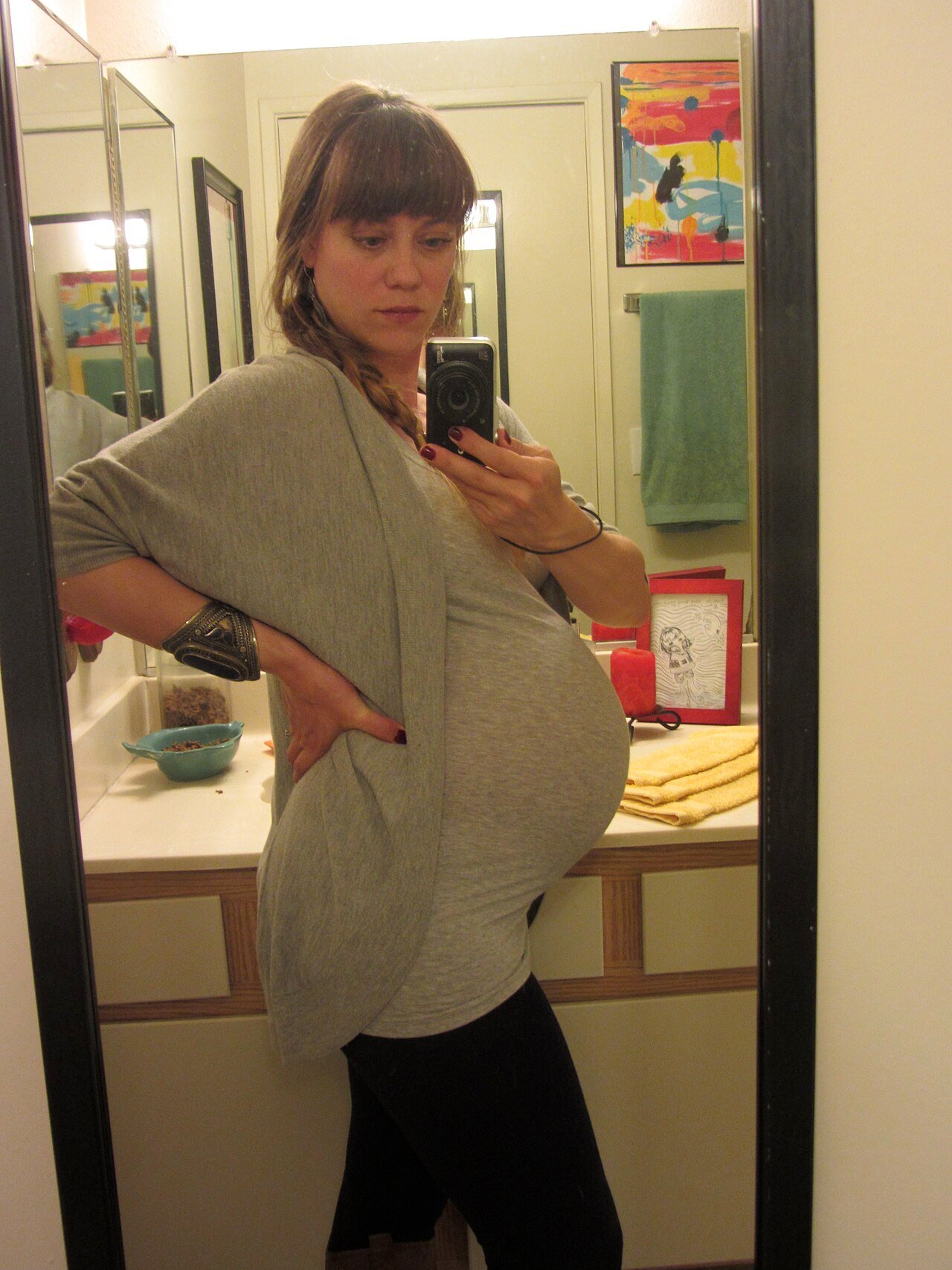
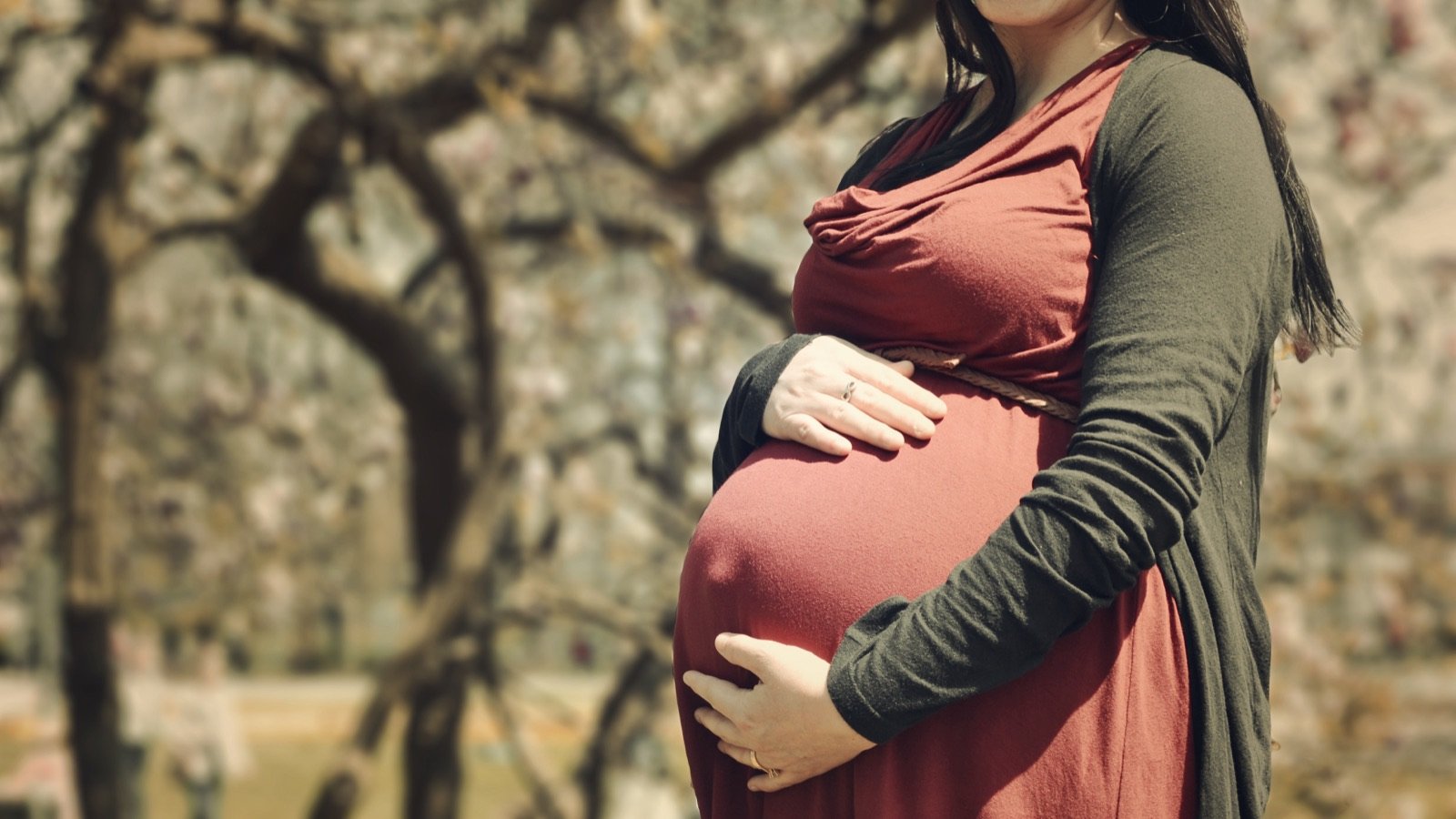
Many pregnant women hesitate to exercise, worried it might harm the baby. In reality, moderate physical activity is one of the best things you can do for yourself and your pregnancy, unless your doctor has advised otherwise for a specific health reason. Movement lifts your mood, strengthens muscles in preparation for birth, eases back pain and bloating, and improves sleep quality.
Exercises Suitable for Most Pregnancies
Generally, low-impact exercises are considered safest during pregnancy, especially in the second and third trimesters:
- Walking: simple, accessible, and needs no equipment — safe well into late pregnancy.
- Swimming: eases joint pressure from extra weight and reduces swelling.
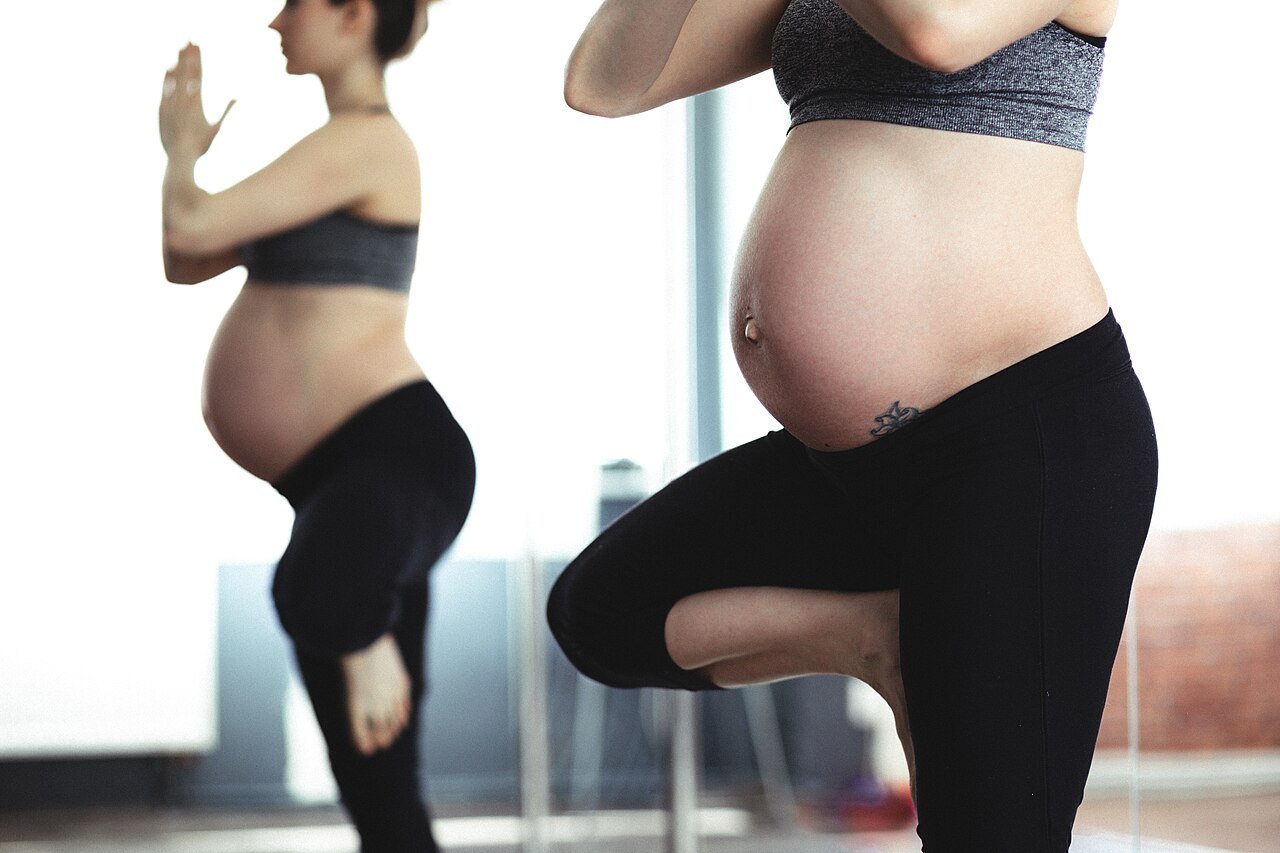
- Prenatal yoga: improves flexibility and breathing, and supports mental relaxation.
- Pelvic floor exercises (Kegels): strengthen muscles that support labor and postpartum recovery.
- Light resistance training under the guidance of a prenatal-certified trainer.
Avoid sports with a risk of falling or direct abdominal impact, such as horseback riding, contact sports, or diving, and avoid lying flat on your back for long periods after the first trimester, as this can compress major blood vessels.
Always listen to your body. Stop immediately and call your doctor if you feel dizzy, severely short of breath, chest pain, regular contractions, or bleeding. A good rule of thumb: you should be able to hold a full conversation while exercising — if you can't, it's a sign to ease off.
If you weren't active before pregnancy, start small — ten minutes of walking a day — and build up gradually. If you were already active, check with your doctor about what to continue and what to adjust.