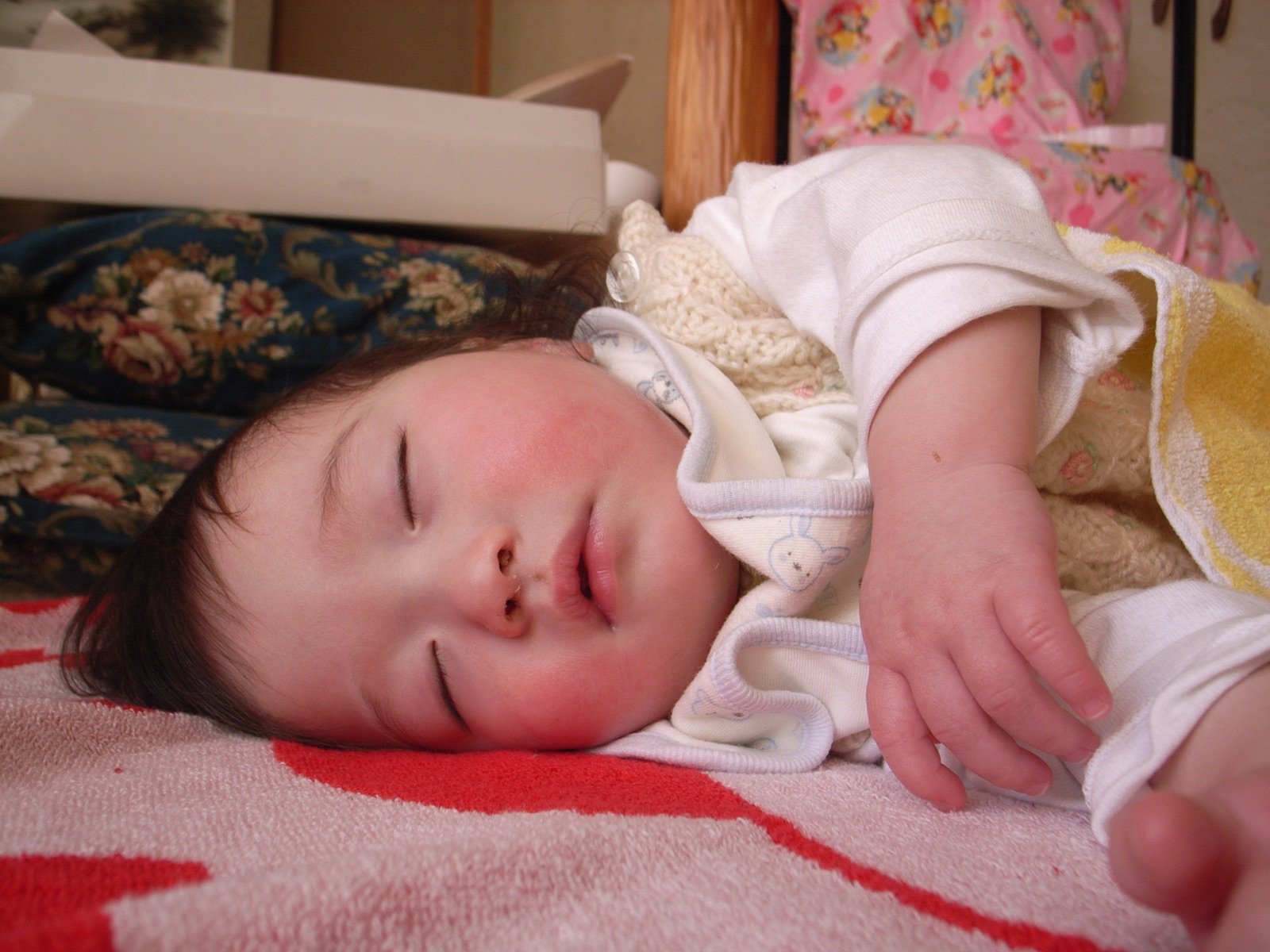
If your baby was sleeping steadily and then suddenly started waking up repeatedly for no clear reason, you are not alone, and it is not necessarily anything you did wrong. This is known as a «sleep regression» — a very common, temporary phase usually tied to a growth spurt or a new developmental skill.
Why Do Sleep Regressions Happen?
The most well-known sleep regression happens around four months, when a baby's sleep cycle itself changes to resemble an adult's, with deeper and lighter stages, which increases chances of waking between cycles. Other common regressions occur around eight and nine months, often tied to learning to crawl or stand, or even the start of separation anxiety — the baby's little mind becomes so busy it interrupts their usual peaceful sleep.
How Do You Handle It?
The good news is that most sleep regressions are temporary and resolve within two to six weeks. The most important thing is staying patient and keeping the usual sleep routine as consistent as possible, rather than changing everything suddenly in response to the regression.
- Keep a consistent bedtime routine (bath, story, cuddle) — it gives your baby a sense of security despite the temporary disruption.
- Give them plenty of chances to practice the new skill (crawling, standing) during the day to reduce the urge to practice it at night.
- Avoid introducing new sleep habits that will be hard to undo later, like rocking for a full hour every night.
- Split nighttime duties with your partner if possible, so you also get some rest.
When Does It Need Further Attention?
If the sleep disruption lasts more than six weeks with no improvement, or comes with a clear loss of appetite or unusual crying during the day too, it is worth consulting a pediatrician to rule out other causes such as an ear infection, reflux, or an allergy.