Between weeks 24 and 28, your doctor will usually ask you to take a gestational diabetes test — a routine screening most pregnant women go through. There's no need to worry ahead of time; the test is simply a tool for early detection, and gestational diabetes is a common condition that can be managed effectively in the vast majority of cases.
Gestational diabetes occurs when your body can't produce enough insulin to keep up with pregnancy's hormonal changes, raising blood sugar levels. It's not the result of anything you did or didn't do, and it typically resolves right after delivery.
How Gestational Diabetes Is Managed
If your test comes back positive, your care plan will usually include:
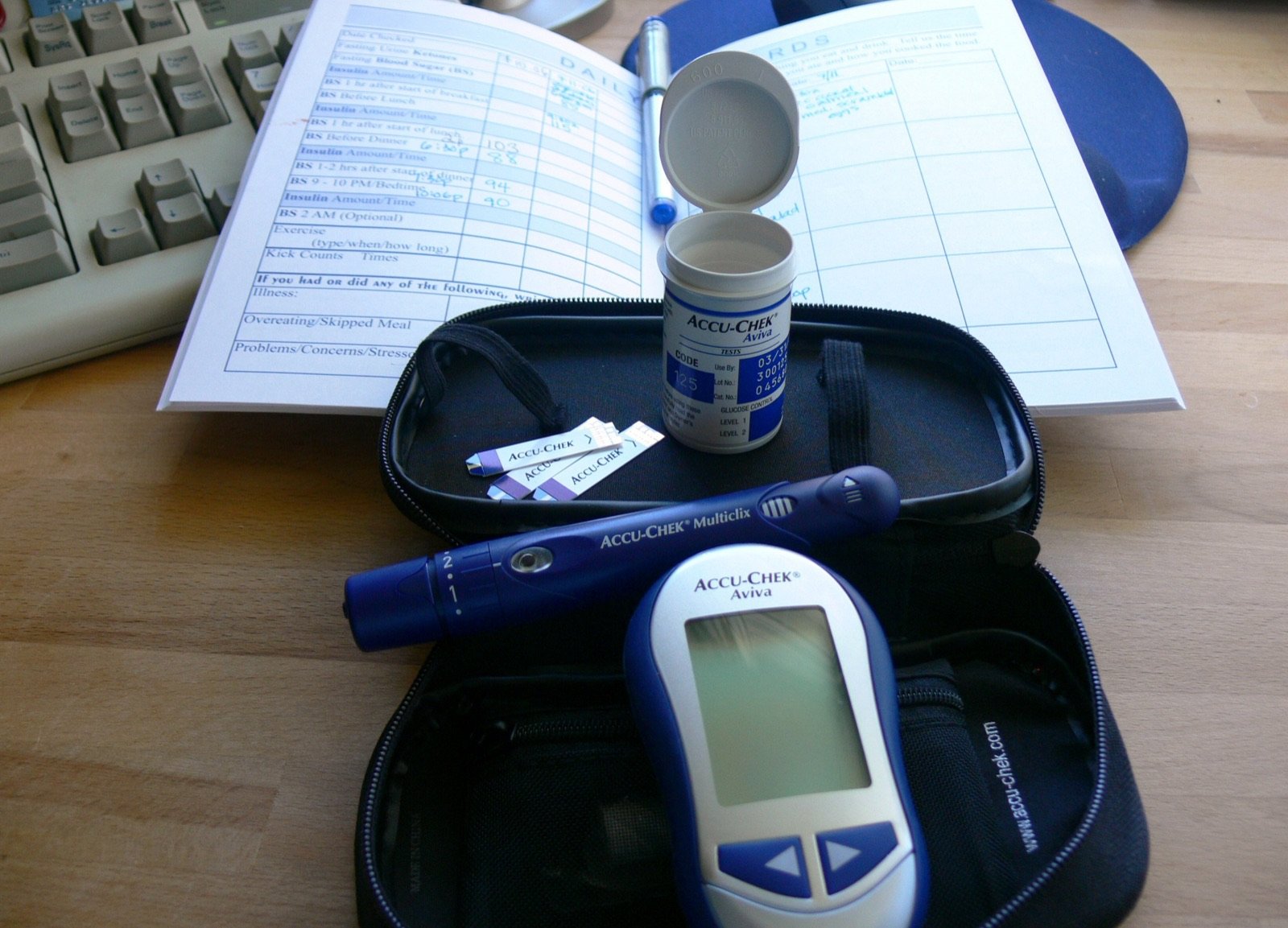
- Monitoring blood sugar with a simple home device several times a day.
- Small dietary adjustments, like spreading carbohydrates across several smaller meals instead of a few large ones.
- Moderate activity, such as walking after meals, to help regulate blood sugar.
- Closer monitoring of the baby's growth with additional ultrasounds.
- In some cases, insulin or a pregnancy-safe medication if diet changes alone aren't enough.
Most women with gestational diabetes deliver perfectly healthy babies with good follow-up care. What matters most is keeping up with appointments and tests — and not feeling guilty, since this is a common medical condition, not a reflection of anything you did wrong.
After delivery, you'll usually be asked to retest your blood sugar a few weeks later to confirm it's back to normal, since gestational diabetes slightly raises the future risk of type 2 diabetes — something a healthy lifestyle can help prevent.