Arabic verbs take three forms based on tense: the past tense shows a finished action, like «كتبَ» (“wrote”), «لعبَ» (“played”), «أكلَ» (“ate”). The present tense shows an action happening now or that will happen, like «يكتبُ», «يلعبُ», «يأكلُ». The imperative gives a command to do something, like «اكتبْ» (“write!”), «العبْ» (“play!”), «كُلْ» (“eat!”).
Notice the difference: “كتبَ الولدُ الدرسَ” (“The boy wrote the lesson” — finished), “يكتبُ الولدُ الدرسَ” (“The boy writes the lesson” — happening now), “اكتبِ الدرسَ يا ولدي!” (“Write the lesson, my son!” — a command).
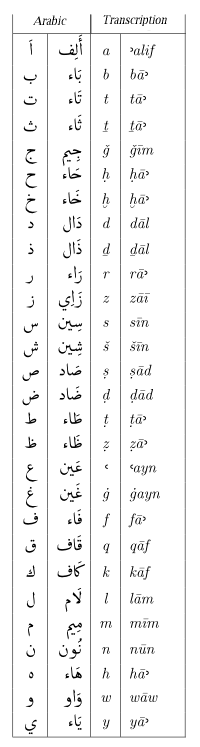
Help your child notice tense by looking at the start of the verb: present-tense verbs usually begin with one of the letters in «أنيت» (أ, ن, ي, ت), as in أكتبُ, نكتبُ, يكتبُ, تكتبُ.