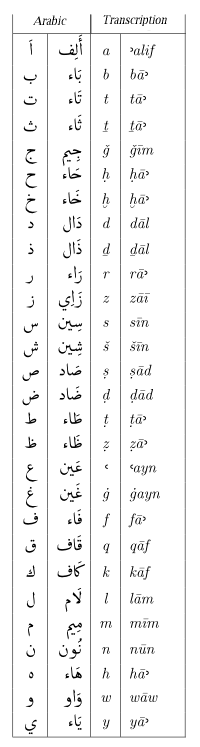
Arabic has two forms of the letter “t” at the end of a word: the “tied ta'” (ة), pronounced as a soft “h” when pausing, as in «مدرسة» (school), «حديقة» (garden), «وردة» (rose). And the “open ta'” (ت), always pronounced clearly as “t,” as in «بيت» (house), «صوت» (voice), «وقت» (time).
Here's an easy way to tell them apart: if you connect the word to what follows and its ending sound turns into a clear “t,” it's usually a tied ta'. Example: «مدرسةُ الأولادِ» (“the boys' school”) reveals a “t” sound when connected, even though it's written with «ة».
The tied ta' is often a sign the noun is feminine, as in «معلّم» (male teacher) vs. «معلّمة» (female teacher), while the open ta' is usually just a natural part of the word's structure and isn't always about gender.