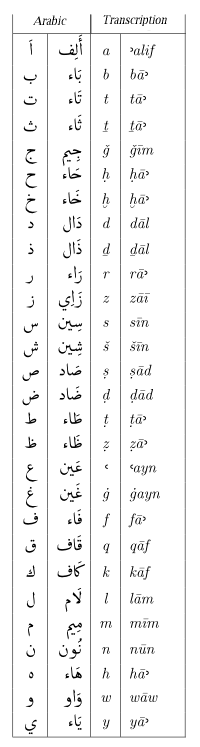
Some Arabic letters share the same basic shape and differ only in the number and position of their dots — which can confuse young readers and writers. Key groups include: «ب، ت، ث» (same shape, different dot count above or below), «ج، ح، خ» (same shape, one dot below, above, or none), and «د، ذ» (no dot, or one dot above).
Other groups include: «ر، ز» (no dot, or one dot above), «س، ش» (no dots, or three dots above), «ص، ض» (no dot, or one dot above), «ط، ظ» (no dot, or one dot above), «ع، غ» (no dot, or one dot above), and «ف، ق» (one dot, or two dots above).
The best way to master these is steady reading and writing practice, paying close attention to the number and placement of dots — since the dots alone decide a letter's identity.