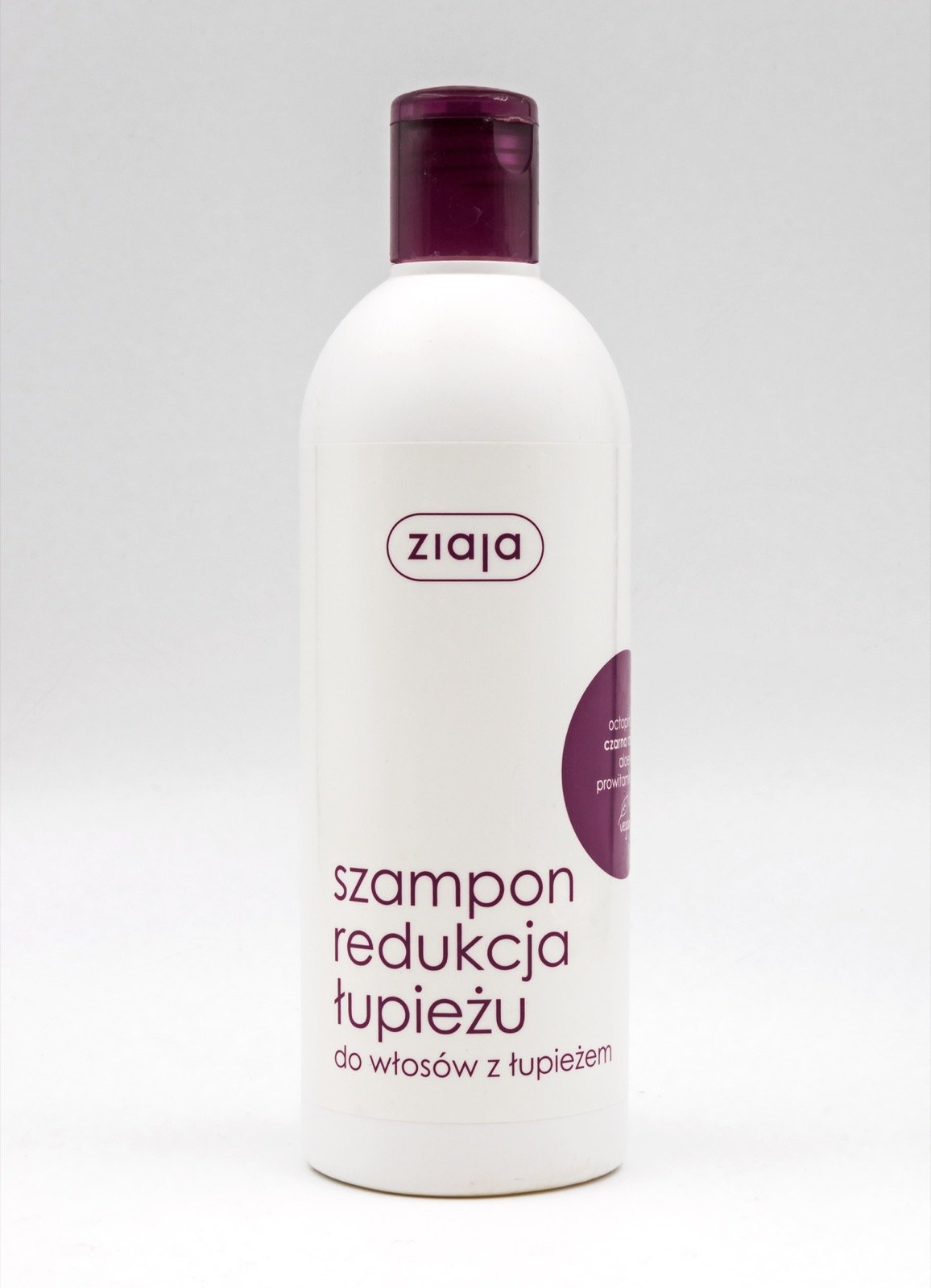
Dandruff is not always a sign of an unclean scalp — it is often caused by scalp dryness, an overgrowth of a naturally occurring skin fungus, or sensitivity to a particular product. Knowing the cause helps you pick the right solution.
Dry dandruff vs. oily dandruff
Dry dandruff appears as small white flakes that fall off easily and is often linked to general skin dryness. Oily dandruff is larger, slightly yellowish, and sticks to the scalp more, linked to excess oil production. Telling the two apart helps you choose the right product.
Solutions worth trying
- A shampoo with zinc pyrithione or salicylic acid for mild, dry dandruff.
- A shampoo with ketoconazole to fight fungal overgrowth, usually used under guidance or after a pharmacist consultation.
- Cut back on heavy styling products that can build up on the scalp and increase irritation.
- Gently massage the scalp while washing to improve circulation and reduce dead-cell buildup.
When do you need a medical opinion?
If dandruff comes with severe redness, unbearable itching, or clear inflammation, or it does not improve after several weeks of a dedicated shampoo, there may be another skin condition, such as seborrheic dermatitis, that needs diagnosis and treatment from a dermatologist.