
Stephen Hawking was born in 1942 in Oxford, England, and studied physics at Oxford and Cambridge. At the age of 21, he was diagnosed with amyotrophic lateral sclerosis (ALS) and given only two years to live, yet he defied that prognosis and continued his scientific work for more than five more decades despite the progressive loss of movement and speech.
Hawking made fundamental contributions to our understanding of black holes and cosmology. Working with Roger Penrose, he showed that black holes arise from stellar collapse governed by general relativity, and later predicted “Hawking radiation,” the theoretical process by which black holes emit radiation and gradually evaporate over immense timescales.
A voice for science
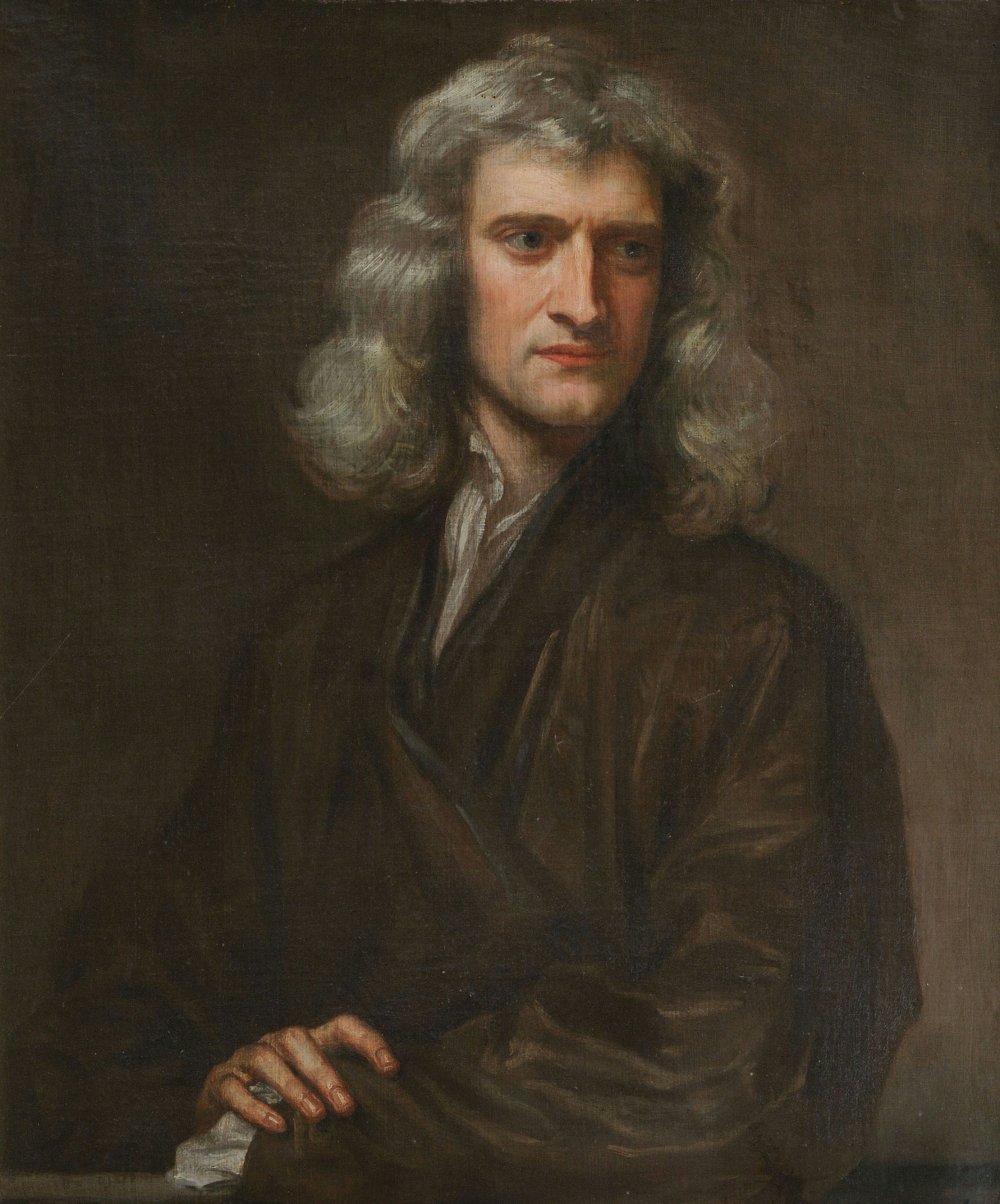
Hawking became a global celebrity through his bestselling book “A Brief History of Time” (1988), which brought the toughest concepts of cosmology to a general audience and sold millions of copies worldwide. He held the Lucasian Chair of Mathematics at Cambridge, once held by Isaac Newton, and until his death in 2018 remained an enduring symbol of the human will to overcome adversity.
- Predicted “Hawking radiation” emitted by black holes
- Developed singularity theorems with Roger Penrose
- Wrote the bestseller “A Brief History of Time”
- Continued groundbreaking research for decades despite ALS