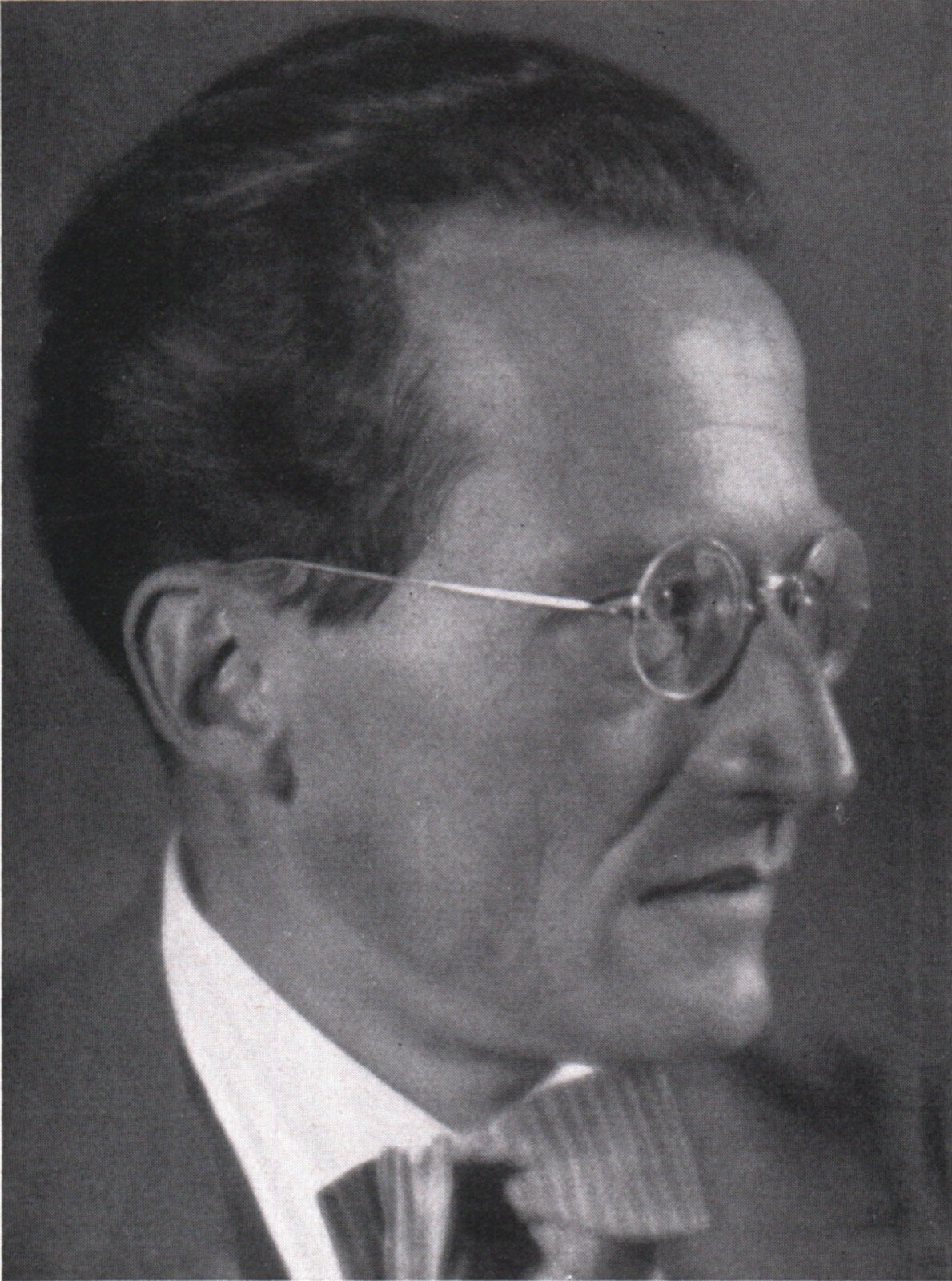
Erwin Schrödinger was born in 1887 in Vienna, Austria, and studied physics at the University of Vienna, earning his doctorate in 1910. After serving in World War I, he turned his attention to theoretical physics, influenced by Louis de Broglie's ideas on the wave nature of matter.
In 1926 Schrödinger published a series of papers introducing the «Schrödinger equation», a differential equation describing how a quantum particle's wave function evolves over time. This equation provided an alternative, mathematically more intuitive formulation of quantum mechanics than Heisenberg's matrix approach, and the two were later proven mathematically equivalent.
Scientific Legacy
Schrödinger shared the 1933 Nobel Prize in Physics with Paul Dirac. He also became known for a 1935 thought experiment called «Schrödinger's cat», designed to highlight philosophical paradoxes in interpreting quantum mechanics, which became one of the most famous scientific metaphors in popular culture. He died in 1961, leaving his wave equation as an essential tool in physics and chemistry to this day.