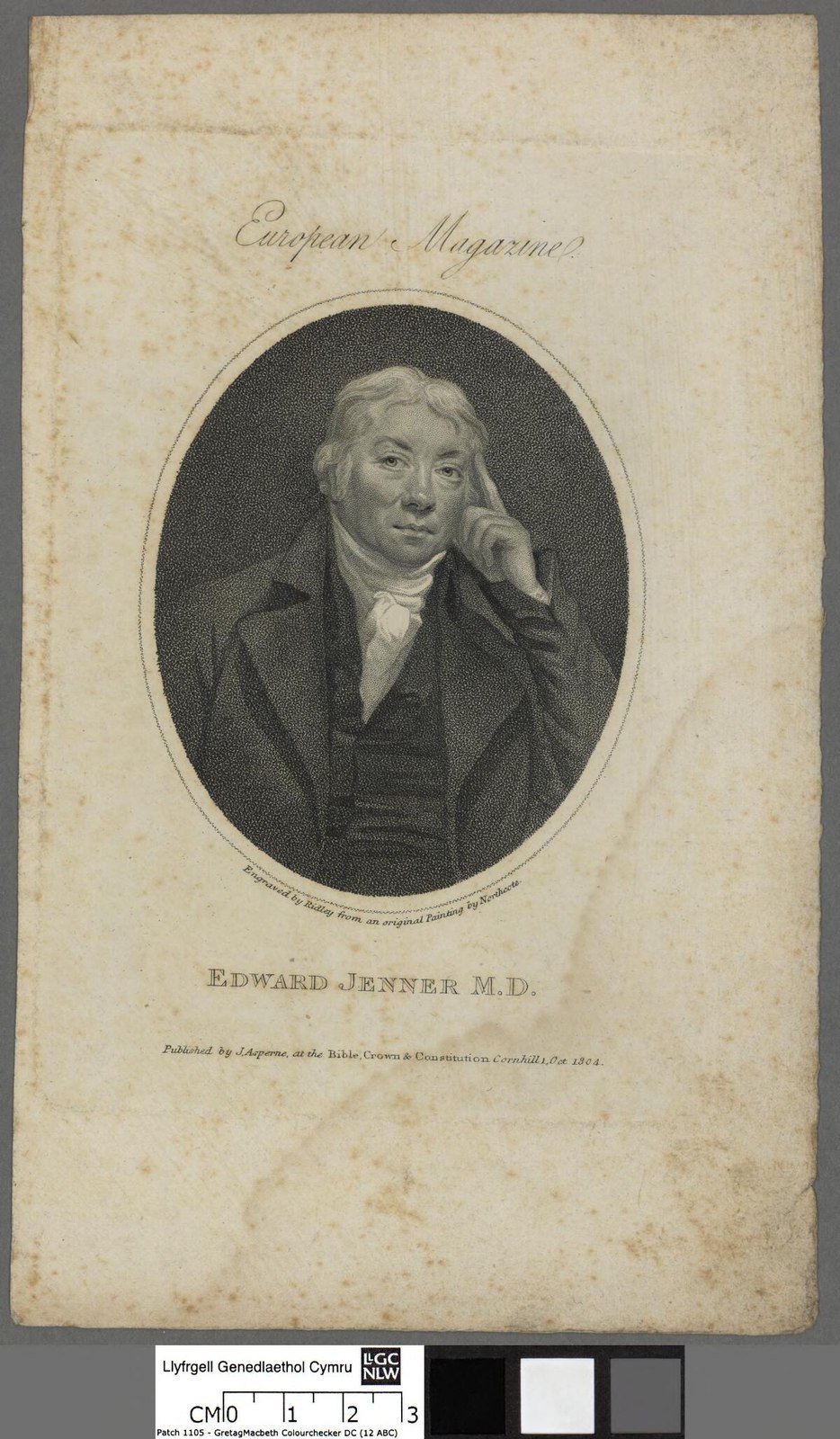
Edward Jenner was born in 1749 in Berkeley, Gloucestershire, England, and studied medicine in London before returning to practice as a country doctor in his hometown. He took seriously a piece of rural folk wisdom: that milkmaids who caught the mild disease cowpox rarely contracted the deadly human smallpox, and he set out to test this observation scientifically rather than dismiss it.
In 1796, Jenner performed his famous experiment, taking material from a cowpox sore on a milkmaid's hand and inoculating a boy named James Phipps, then later exposing him to active smallpox, which failed to infect him. Jenner called the procedure «vaccination», from the Latin «vacca» for cow, laying the entire foundation of modern immunology.
A Legacy That Changed Medicine
Jenner's ideas initially met skepticism and resistance from the medical establishment, but the effectiveness of his vaccine soon proved itself and spread across Europe and the world. Thanks to this discovery, the World Health Organization declared smallpox eradicated in 1980, making it the first infectious disease ever completely wiped from the earth, through the vaccination method Jenner pioneered two centuries earlier.