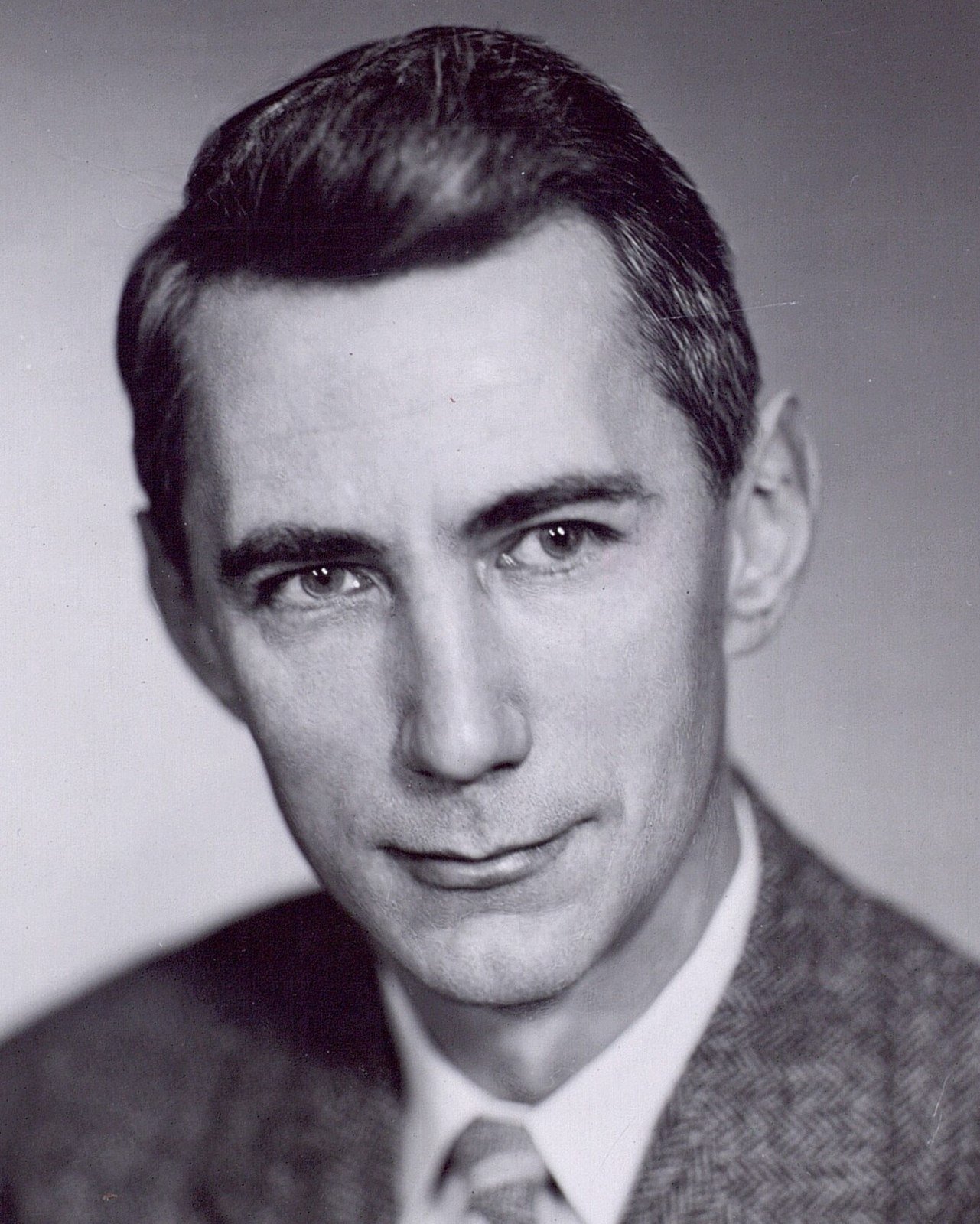
Claude Shannon was born in 1916 in Petoskey, Michigan, and showed an early fascination with mechanical and electrical devices. He studied electrical engineering and mathematics at the University of Michigan, then in his 1937 master's thesis at MIT made a pivotal contribution, proving that electrical circuits built from on-off switches could carry out mathematical logic operations, laying the theoretical foundation for the design of every digital computer that followed.
In 1948, while working at Bell Labs, Shannon published his landmark paper «A Mathematical Theory of Communication», founding an entirely new scientific field known as «information theory». Shannon showed that any message, whether text, sound, or image, could be mathematically measured and encoded in a fundamental unit he called the «bit», and proved a mathematical maximum limit for any communication channel's capacity, a concept that still governs the design of every communication and digital data network today.
Architect of the Digital Age
Shannon's work laid the theoretical foundation for everything we know today as file compression, data error correction, wireless communication, and internet networks, though he did not personally build commercial applications of his ideas. He was also known for his playful personality and eccentric hobbies, building odd mechanical contraptions in his spare time, and until his death in 2001 was rightly called the «father of the digital age».