Ahmad ibn Abd al-Rahim, known as Shah Waliullah, was born in 1114 AH/1703 CE in Delhi to a family of scholars—his father was among India's leading scholars. He memorized the Quran and studied the religious and rational sciences from an early age, then traveled to the Hijaz, where he spent years studying hadith under Meccan and Medinan scholars, absorbing the hadith-revival movements active there.
Shah Waliullah returned to Delhi at a time of political and social decline for the Mughal state, and devoted his life to a major reform project aimed at renewing Islamic thought in India. He called for reconciling the four Sunni legal schools through direct reliance on prophetic hadith, translated the Quran into Persian to make it accessible to ordinary Muslims of the subcontinent, and authored his intellectual masterwork «Hujjat Allah al-Baligha», explaining the underlying wisdom of Islamic law through a renewed philosophical and social approach.
His Legacy
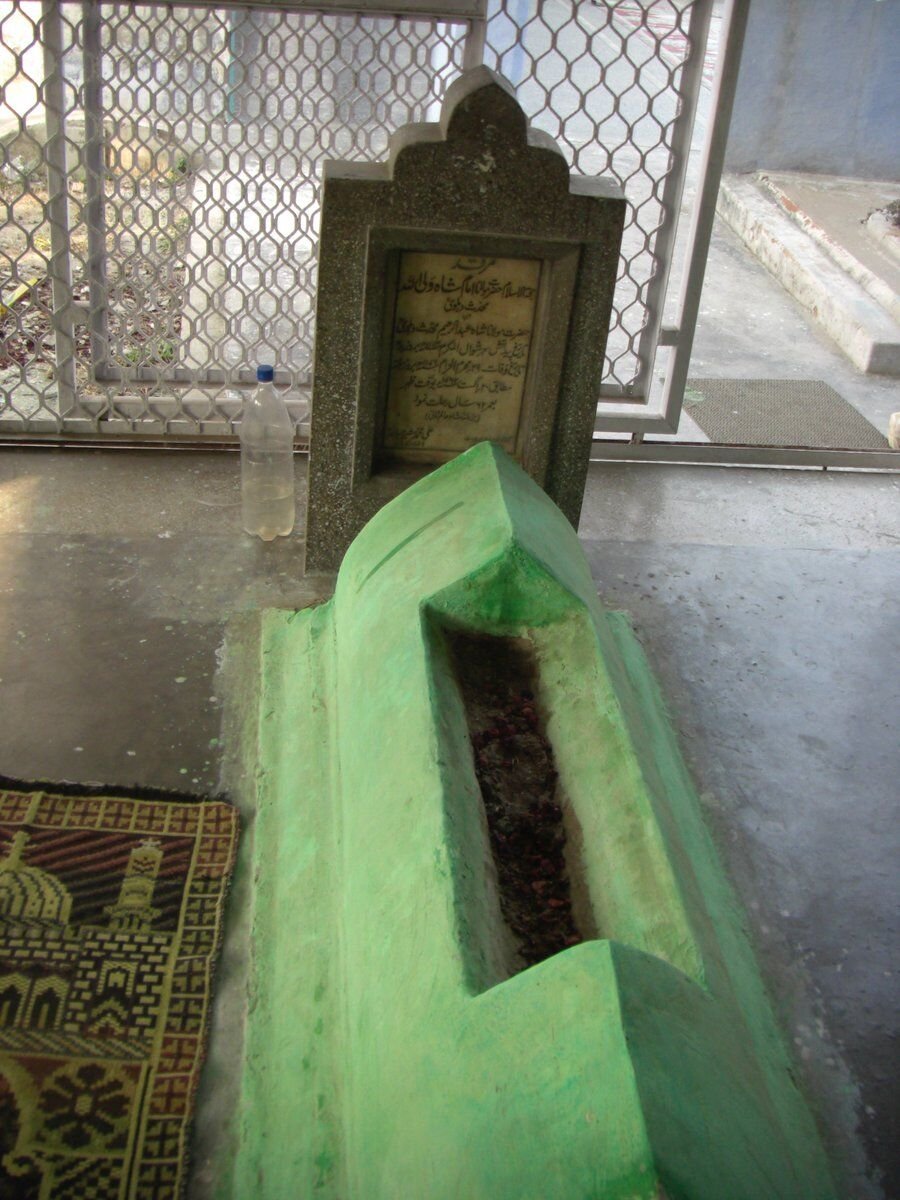
Shah Waliullah died in Delhi in 1176 AH/1762 CE. His sons and disciples carried forward his reform project, and his ideas later influenced numerous reform and educational movements across the Indian subcontinent, making him one of the foremost renewers of Islamic thought in the early modern era.