Mustafa ibn Abdullah was born in 1017 AH/1609 CE in Istanbul. He initially worked as a clerk in Ottoman government offices, earning the epithet «Katip Celebi» (Gentleman Scribe), and later performed the pilgrimage to Mecca, gaining the additional title «Haji Khalifa». He studied jurisprudence, Arabic, history, and astronomy, and developed a passion for collecting and reading books from various Ottoman libraries.
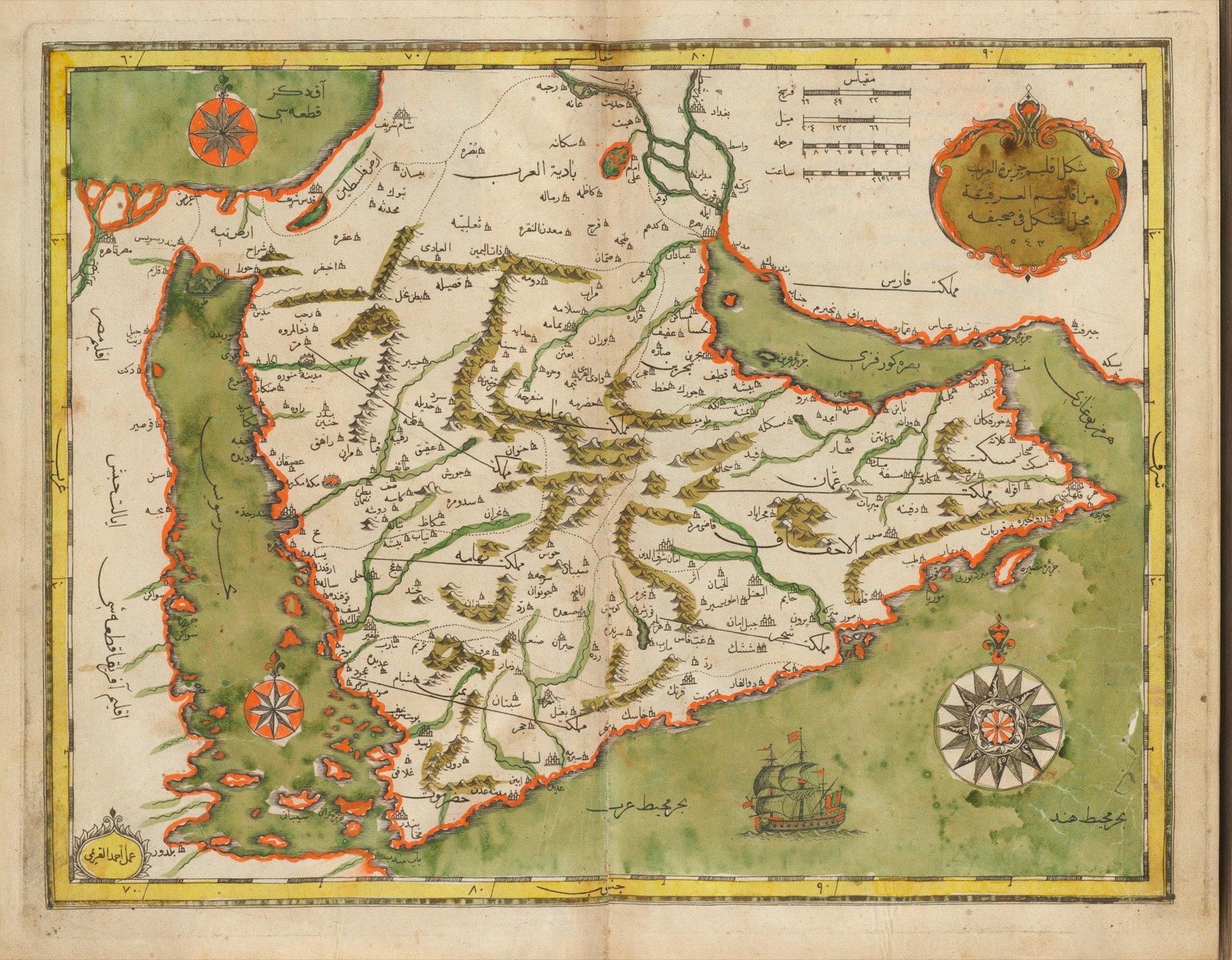
Katip Celebi devoted his life to a vast bibliographic project, «Kashf al-Zunun 'an Asami al-Kutub wa'l-Funun» (Removal of Doubt from the Names of Books and Sciences), cataloguing roughly fifteen thousand book titles across every field of knowledge along with brief notes on their authors—the largest work of its kind in Islamic scholarship to this day. He also compiled a geographical encyclopedia, «Jihannuma» (Mirror of the World), drawing on both Islamic and contemporary European sources, reflecting his openness to emerging European science.
His Legacy
Katip Celebi died in Istanbul in 1067 AH/1657 CE. «Kashf al-Zunun» remains the essential reference for any researcher into the history of Islamic authorship and manuscript titles, and he is regarded as one of the first Ottoman scholars to advocate engaging with European science without abandoning Islamic scholarly tradition.