Imam Muslim ibn al-Hajjaj al-Qushayri was born in Nishapur, in Khurasan, and grew up in a scholarly environment that encouraged him to pursue hadith study from an early age. He traveled to Iraq, the Hejaz, the Levant, and Egypt to gather Prophetic traditions and study under the leading hadith scholars of his time, and met Imam al-Bukhari in Nishapur, where he studied closely under him and absorbed his rigorous method of verification, forming a close scholarly relationship that lasted years.
Sahih Muslim and His Method
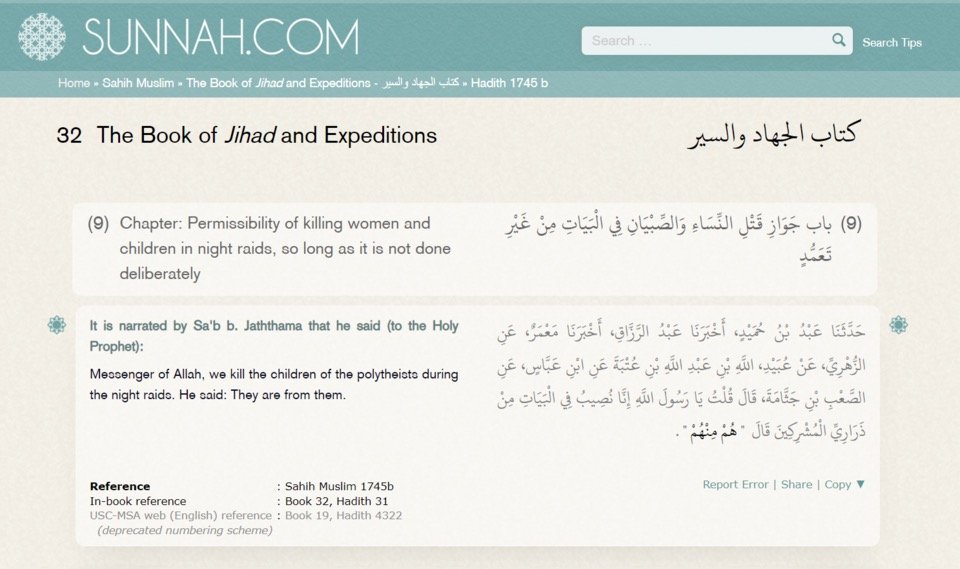
Imam Muslim spent years gathering and scrutinizing hundreds of thousands of hadiths, selecting for his Sahih Muslim only those he judged authentic according to strict criteria of unbroken chains of transmission and the integrity and precision of narrators. Sahih Muslim is distinguished by its precise arrangement of hadiths under each chapter without repetition or fragmentation, unlike al-Bukhari's method of distributing a single hadith across multiple chapters — making it an accessible reference for researchers and students alike. Muslim also contributed to the science of narrator criticism, writing on the names and epithets of narrators to help verify chains of transmission.
- Authored Sahih Muslim, the second most authentic hadith collection after Sahih al-Bukhari
- Pioneered a precise method of arranging hadiths under each chapter without repetition
- Contributed to the science of narrator criticism and verification
- Traveled extensively to collect hadith from the leading scholars of his era
Imam Muslim died in Nishapur in 875 CE, and his book, alongside Sahih al-Bukhari, remains among the most trusted sources of Prophetic hadith relied upon by Muslims across the world.