Imam Malik ibn Anas was born and raised in Medina, and never left the city except to perform the pilgrimage. He studied under Medina's leading scholars, including Nafi', the freedman of Ibn Umar, and Imam Ibn Shihab al-Zuhri, eventually becoming the foremost authority on jurisprudence and hadith in the city, earning the title "Imam of the Abode of Migration." Malik grounded his legal reasoning in the Qur'an and Sunnah, then in the established practice of the people of Medina, which he regarded as authoritative evidence since it represented a living continuation of the Companions' and their successors' practice in the very city where the Prophet had lived.
Al-Muwatta and Scholarly Standing
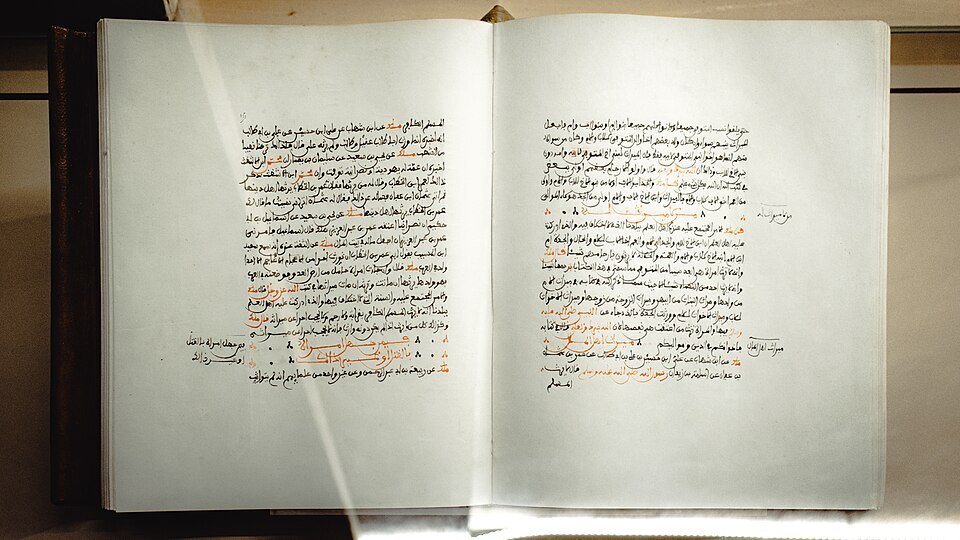
Malik authored Al-Muwatta, one of the earliest works to combine Prophetic hadith, statements of Companions and their successors, and the jurisprudence derived from them; he spent years refining it, and some contemporaries described it as the soundest book after the Qur'an itself. He taught for decades in the Prophet's Mosque, training a great number of leading scholars, including a young Imam al-Shafi'i who studied under him closely. At one point Malik faced political persecution over a legal opinion related to an oath of allegiance and was flogged, yet his scholarly standing remained unshaken until his death.
- Authored Al-Muwatta, the earliest work combining hadith and jurisprudence
- Founded the Maliki school, dominant across North and West Africa and Andalusia
- Established the practice of the people of Medina as a recognized legal source
- Taught in the Prophet's Mosque for decades, training major scholars including al-Shafi'i
Imam Malik remained throughout his life a model of piety and steadfast devotion to knowledge, and his school today remains one of the most widely followed in the Islamic world, particularly across the Maghreb and West Africa.