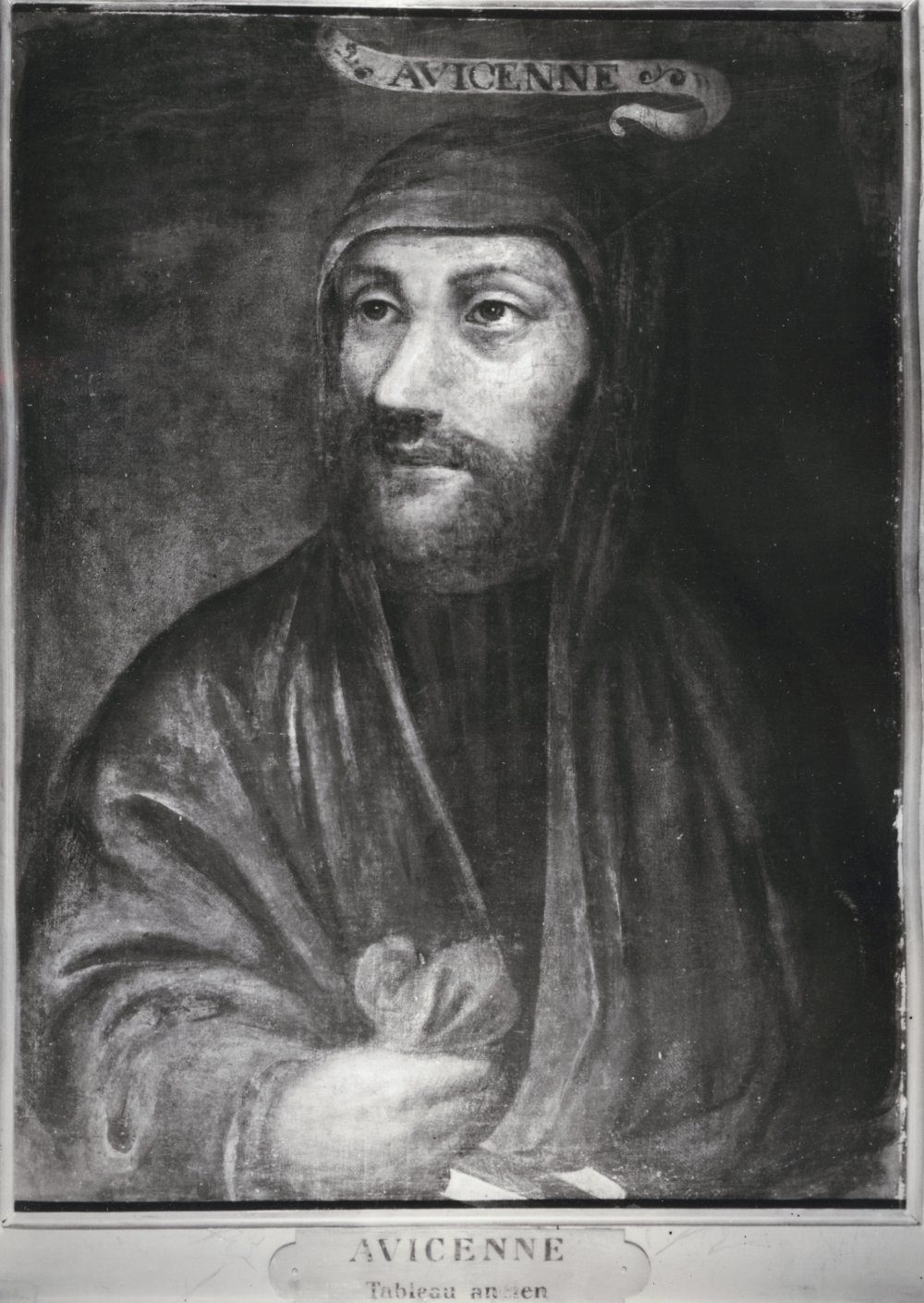
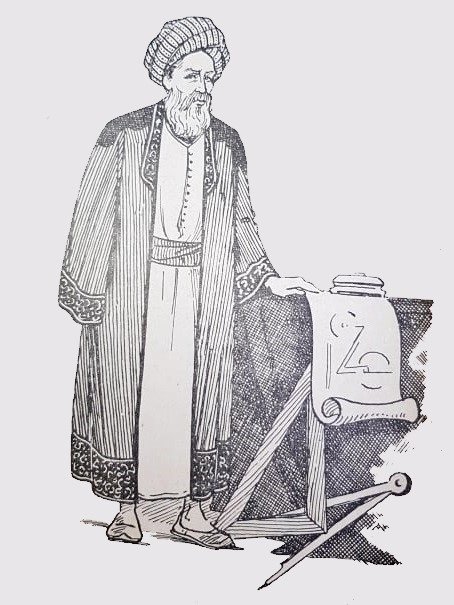
Al-Hasan ibn al-Haytham was born in Basra, studying there and then in Baghdad before moving to Cairo at the invitation of the Fatimid caliph al-Hakim bi-Amr Allah to oversee a project to regulate the flooding of the Nile. The project failed due to its engineering difficulty, so Ibn al-Haytham feigned madness to avoid the caliph's wrath and was placed under a form of house arrest — a period he used for reflection, writing, and scientific experimentation, producing his most important work.
The Book of Optics and the Experimental Method
During this period Ibn al-Haytham wrote his most famous work, Kitab al-Manazir (Book of Optics), refuting the ancient Greek theory that vision occurred by a ray emitted from the eye toward the object, and demonstrating experimentally that vision results from light reflected off objects entering the eye. Ibn al-Haytham built his research on a systematic experimental method based on observation, hypothesis, and testing — the essence of the modern scientific method, centuries before it took shape in Europe. He also studied refraction, reflection, the camera obscura, and the rainbow, and made contributions to mathematics and astronomy. His book was translated into Latin as Opticae Thesaurus and deeply influenced scientists such as Roger Bacon and Kepler.
- Correctly explained the mechanism of vision as light entering the eye
- Established the systematic experimental method in natural science
- Studied refraction, reflection, the camera obscura, and the rainbow
- His translated Book of Optics shaped the development of optics in Europe
Ibn al-Haytham died in Cairo in 1040 CE, leaving a scientific legacy regarded as one of the most important foundations for the development of natural science and the experimental method in human history.