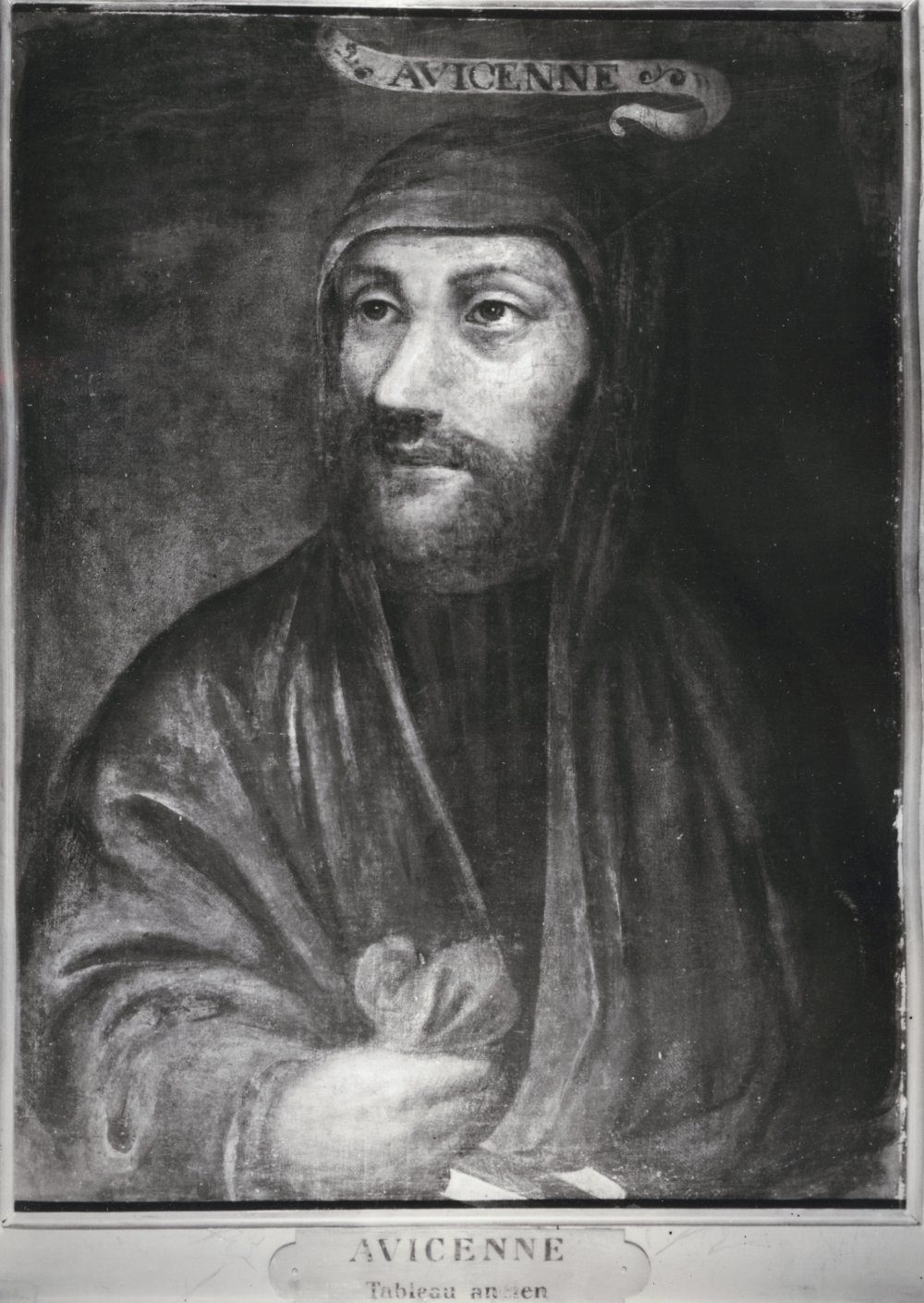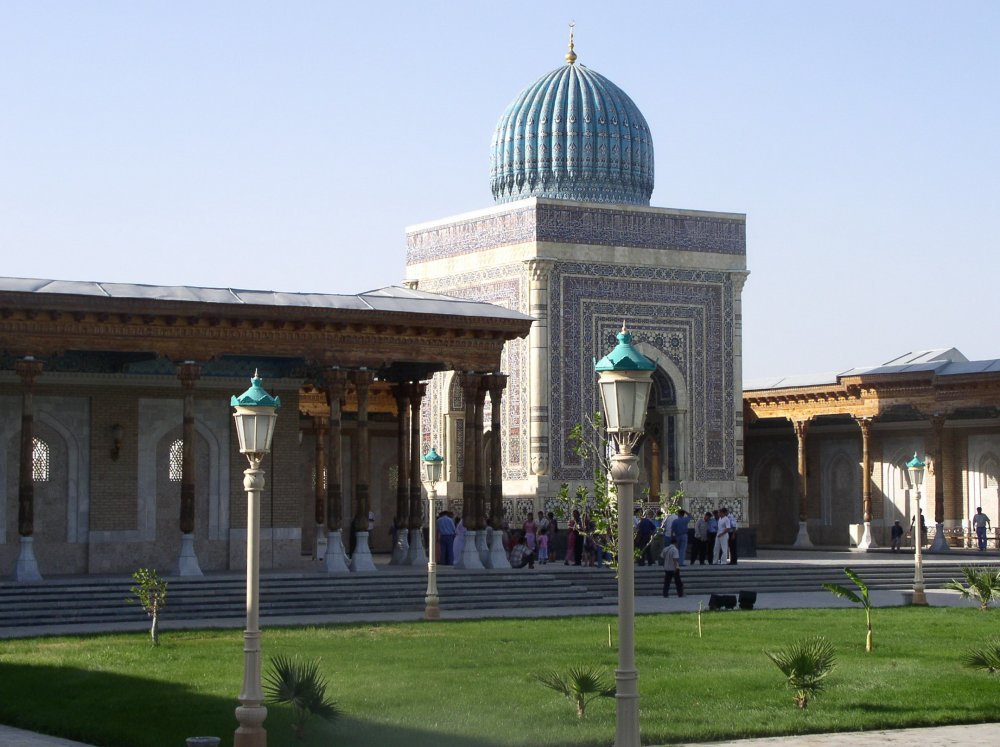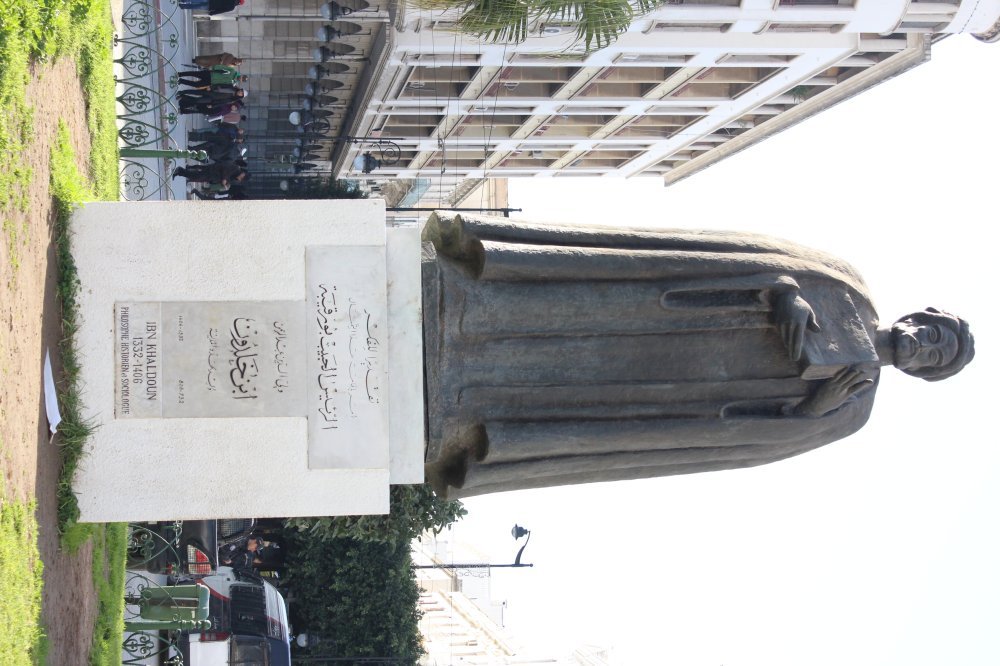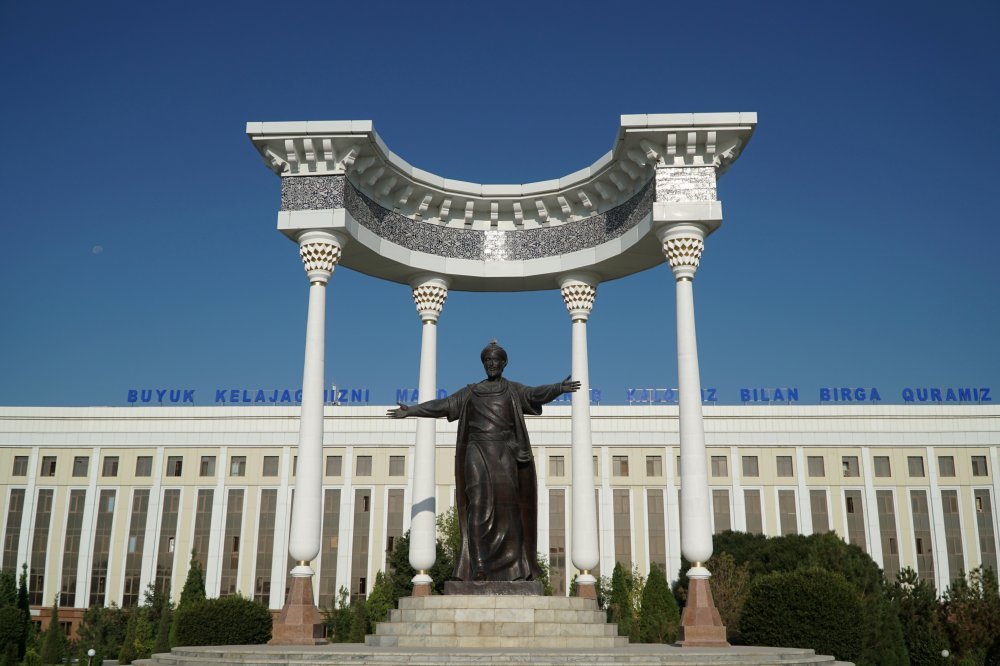
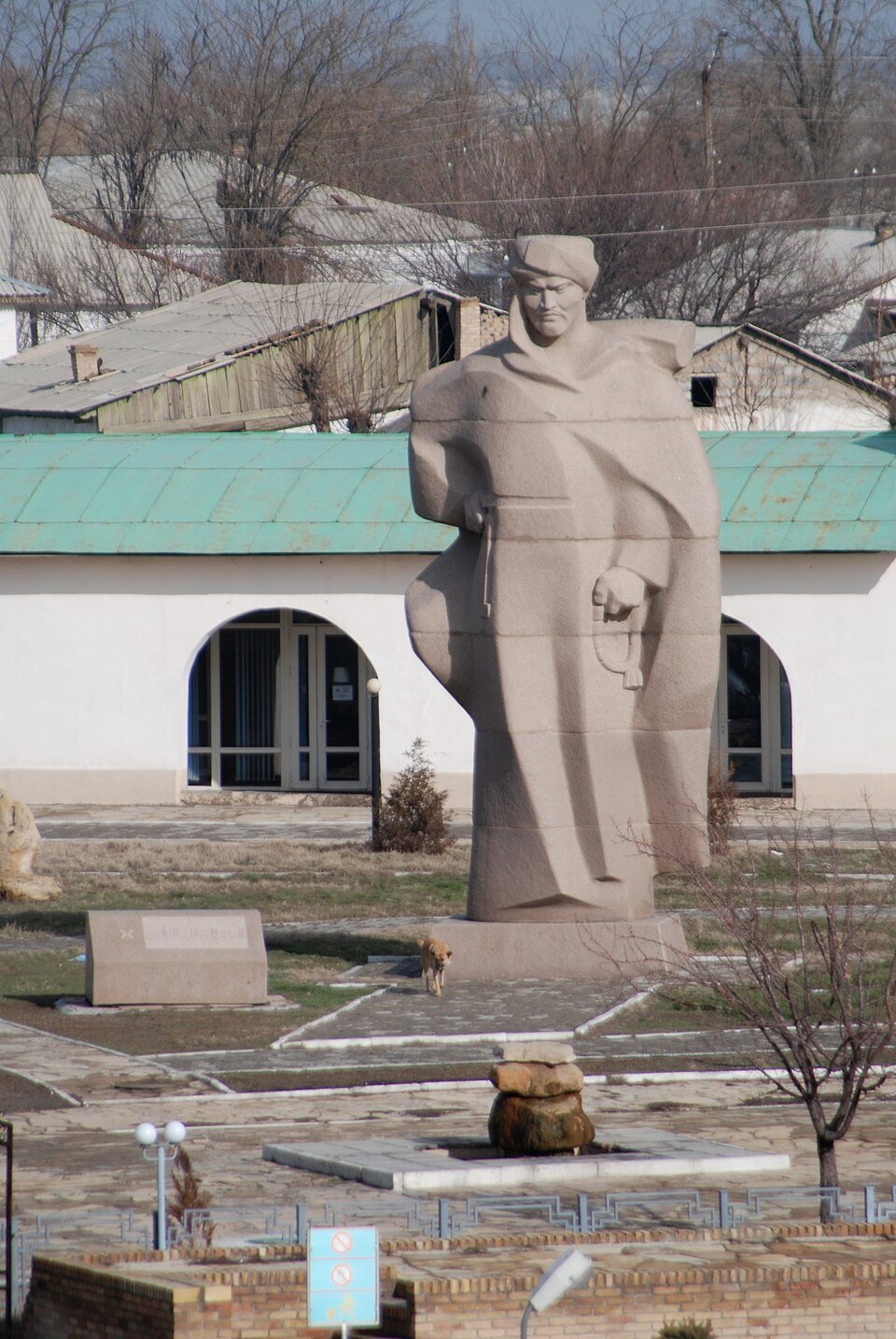
Abu Nasr Muhammad al-Farabi was born in the city of Farab in Transoxiana (in present-day Kazakhstan), and moved in his youth to Baghdad, where he studied logic and philosophy under Nestorian Christian scholars versed in Greek philosophy, mastering the Aristotelian and Platonic traditions so thoroughly that he earned the title "the Second Teacher" after Aristotle himself. He lived a life of asceticism, spent time in Aleppo under the patronage of Prince Sayf al-Dawla al-Hamdani, and died in Damascus.
Political Philosophy and Music
Al-Farabi is considered among the founders of political philosophy in Islamic thought through his book Ara Ahl al-Madina al-Fadila (Opinions of the People of the Virtuous City), in which he envisioned an ideal society inspired by Plato's Republic but framed within an Islamic context, led by a philosopher-ruler who unites wisdom and prophecy. He also made pioneering contributions to logic through his commentaries on Aristotle's works, and to the classification of knowledge through his book Ihsa al-Ulum (Enumeration of the Sciences), which systematically organized the fields of learning available in his era. Alongside philosophy, al-Farabi excelled in music both theoretically and practically, authoring Kitab al-Musiqa al-Kabir (The Great Book of Music), one of the most important references in Arabic music theory.
- Founded Islamic political philosophy through The Virtuous City
- Produced systematic commentaries on Aristotelian logic that shaped later Islamic philosophers
- Systematically classified the sciences in The Enumeration of the Sciences
- Authored The Great Book of Music, a key reference in Arabic music theory
Al-Farabi profoundly influenced later philosophers such as Ibn Sina and Ibn Rushd, and his works remain an essential reference in the history of Islamic philosophy to this day.