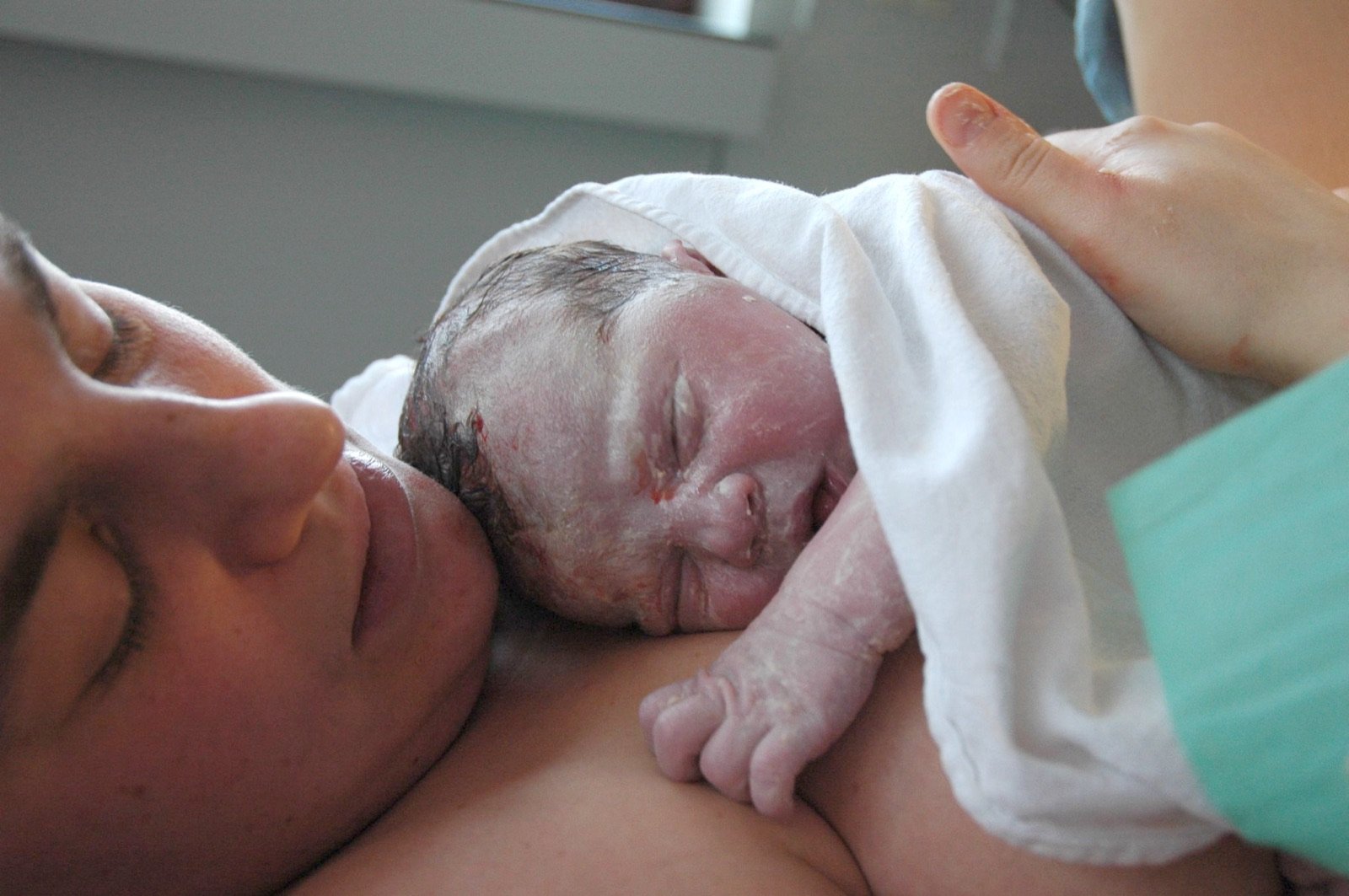

Many newborns go through a recurring fussy stretch between roughly 5 and 11 p.m., sometimes called the «witching hour». This is different from colic — it happens in perfectly healthy babies with no underlying issue.
Why It Happens in the Evening
Sensory input piles up over the day — sounds, light, movement — until your baby's nervous system reaches an evening peak of overstimulation, which comes out as crying. This time often also coincides with a slight dip in a mother's milk supply by day's end.
How to Handle It
Wind things down before evenings: dim the lights and cut back on visitors and noise a couple of hours before the usual crying window. Holding baby close, gentle swaying, and soft white noise usually soothe them more than trying to stop the crying outright.
- Take turns with your partner or a family member during this hour if you can — exhaustion makes everything harder.
- Don't assume it's always hunger; try soothing first before offering an extra feed.
- This phase usually peaks around six weeks and eases gradually after three months.
- Step onto a balcony or switch rooms for a few minutes — a change of scene sometimes breaks the cycle.
If intense crying lasts more than three hours a day, or comes with fever or a total refusal to feed, check with your pediatrician to rule out anything else.