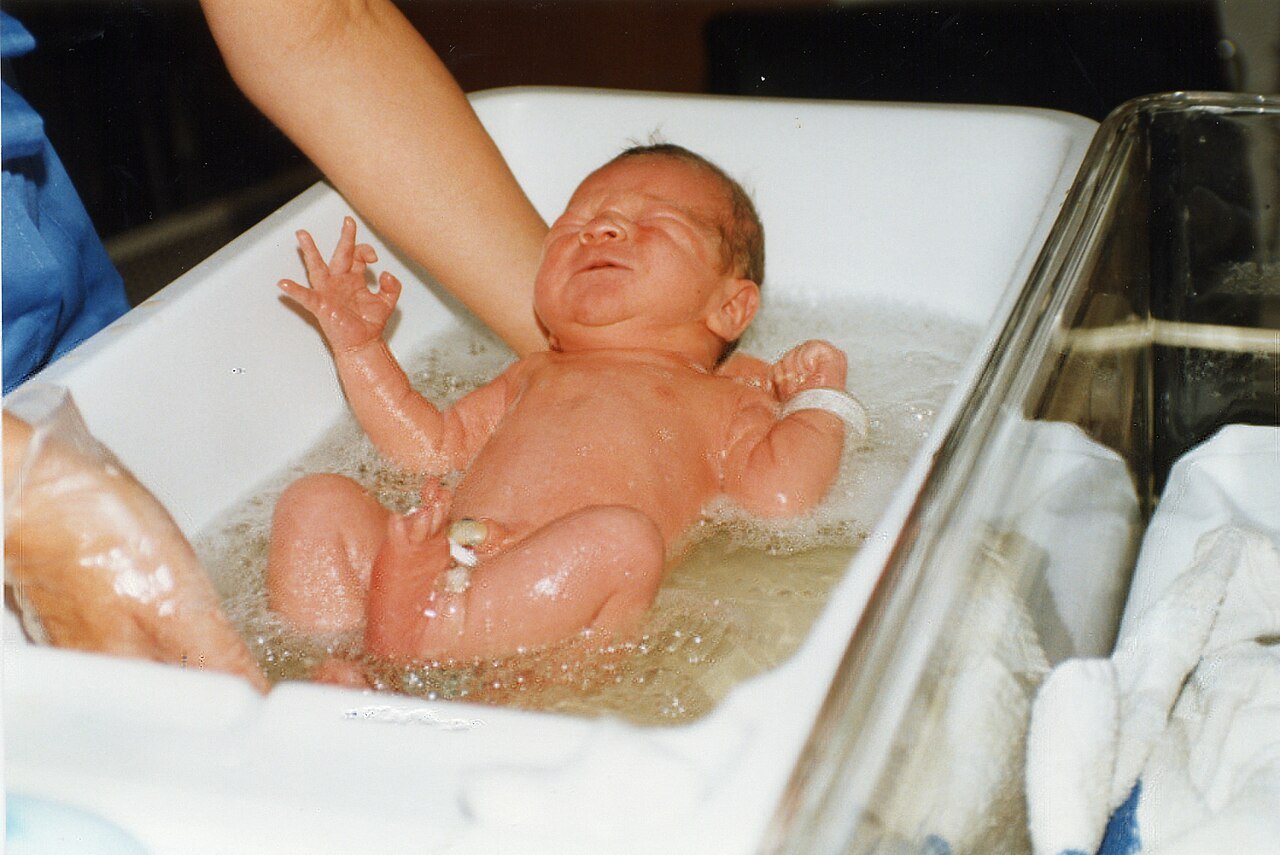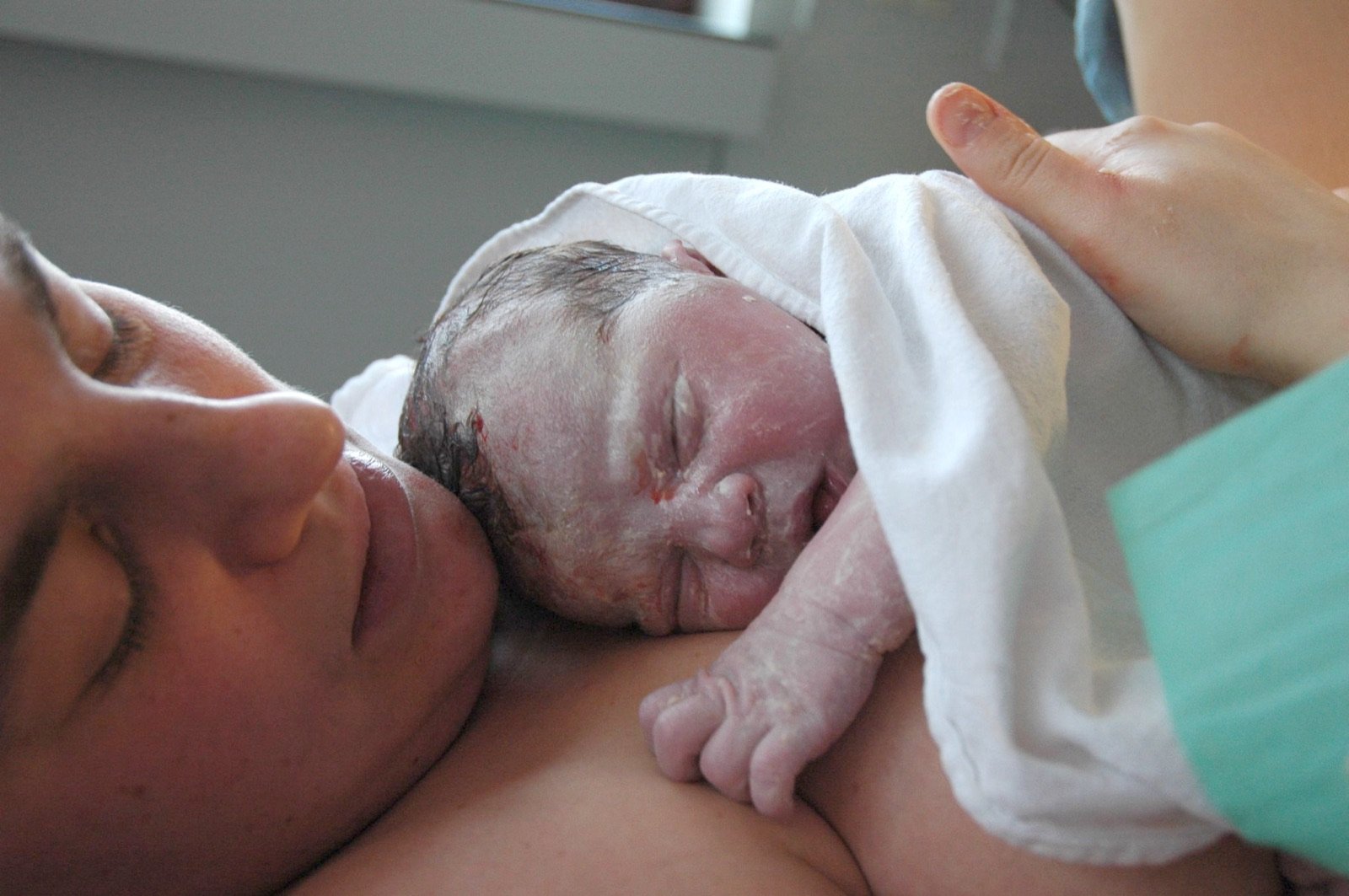

During the first week, your baby sleeps somewhere between sixteen and seventeen hours a day, but in short, scattered stretches of just two to four hours at a time. This is completely normal — your baby's tiny stomach needs feeding every few hours, and they haven't yet developed a sense of day versus night.
The rules of safe sleep
Child health organizations worldwide agree on a simple set of rules that significantly reduce sleep-related risks for infants, and it's important to follow them from day one:
- Always place your baby on their back to sleep, never on their stomach or side.
- Use a firm mattress that fits the crib properly — no pillows, loose blankets, or stuffed toys inside.
- It's best for your baby to sleep in your room during the early months, in their own crib, not in your bed.
- Keep the room at a moderate temperature, and avoid overdressing them in too many layers.
- Keep smoking completely away from your baby — it's one of the most important protective factors.
You'll notice your baby making odd sounds and movements during sleep — irregular breathing, smiling, or sudden limb movements — and this is completely normal, known as active or light sleep, which lasts longer in infants than in adults.
To gradually help your baby tell day from night, keep daytime bright and relatively lively even during naps, while keeping nighttime quiet and dim, even during night feeds. This simple contrast helps their internal clock gradually adjust over the coming weeks, though it takes time and patience on your part.