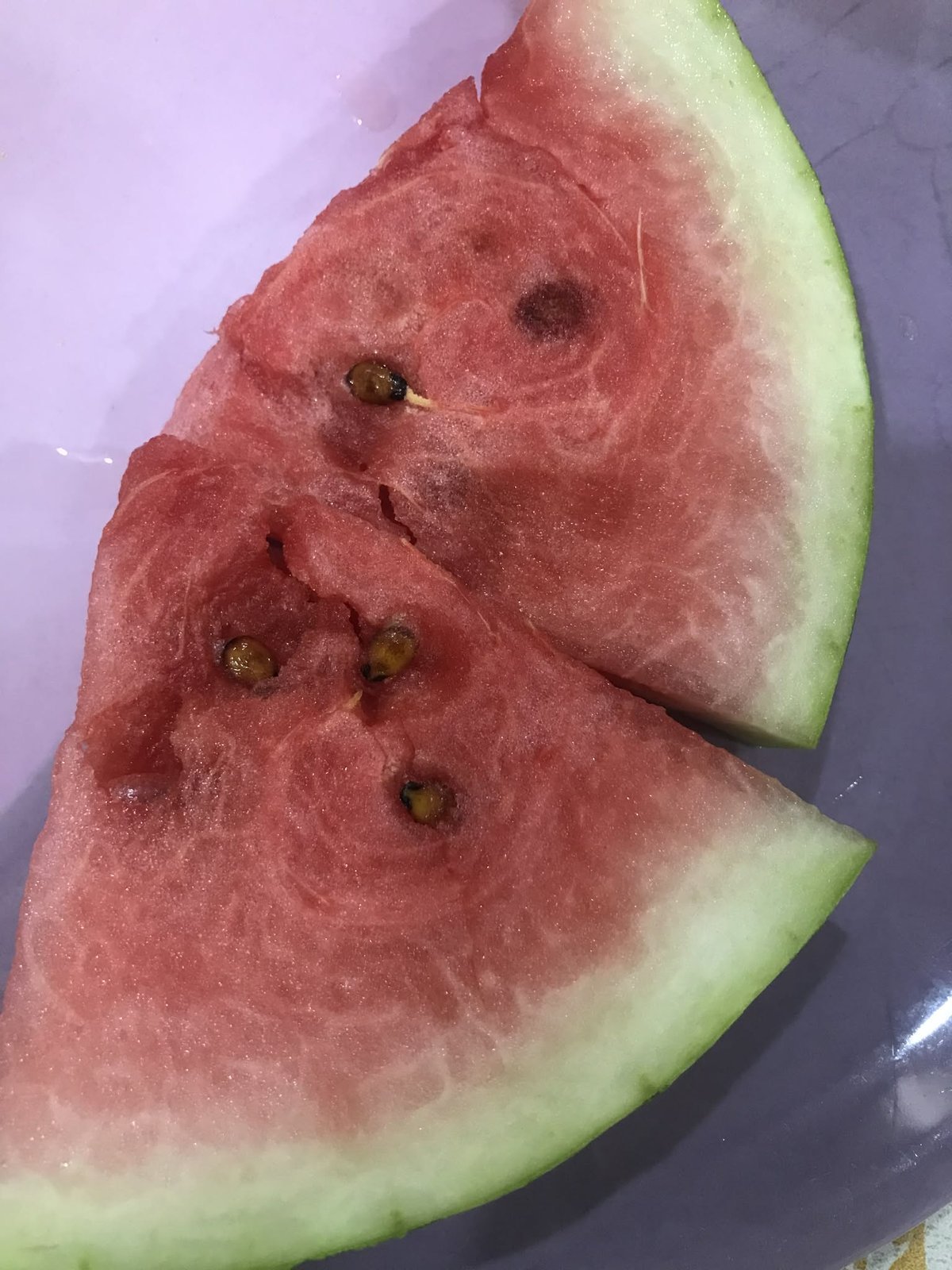
If you've found yourself craving oranges with salt at midnight, or gagging at the smell of the coffee that used to be your favorite morning ritual, you're not alone — most women go through similar shifts, popularly known as pregnancy cravings and aversions.
What causes this shift?
The exact explanation isn't fully settled scientifically, but sharp hormonal changes, heightened sense of smell and taste, and sometimes nutrient gaps are all thought to play a role. Some researchers suggest cravings may be your body's way of signaling a nutritional need, though that's not always confirmed.
- Respond to cravings in moderation — a small amount of what you're craving is usually harmless.
- Look for healthier alternatives if the craving isn't great for you, like dried fruit instead of processed sweets.
- If you crave non-food items like clay or excessive ice, tell your doctor right away — this deserves evaluation.
- Skip foods you're averse to entirely; there's no need to force yourself if you can find an equivalent option.
- Keep meals generally balanced even as your appetite shifts, even if that means smaller, more frequent portions.
These cravings and aversions usually fade by the end of the first trimester or start of the second, though some persist throughout pregnancy. What matters most is not letting them derail your overall nutrition — if you feel they're keeping you from eating enough, talk to your doctor or a nutritionist.