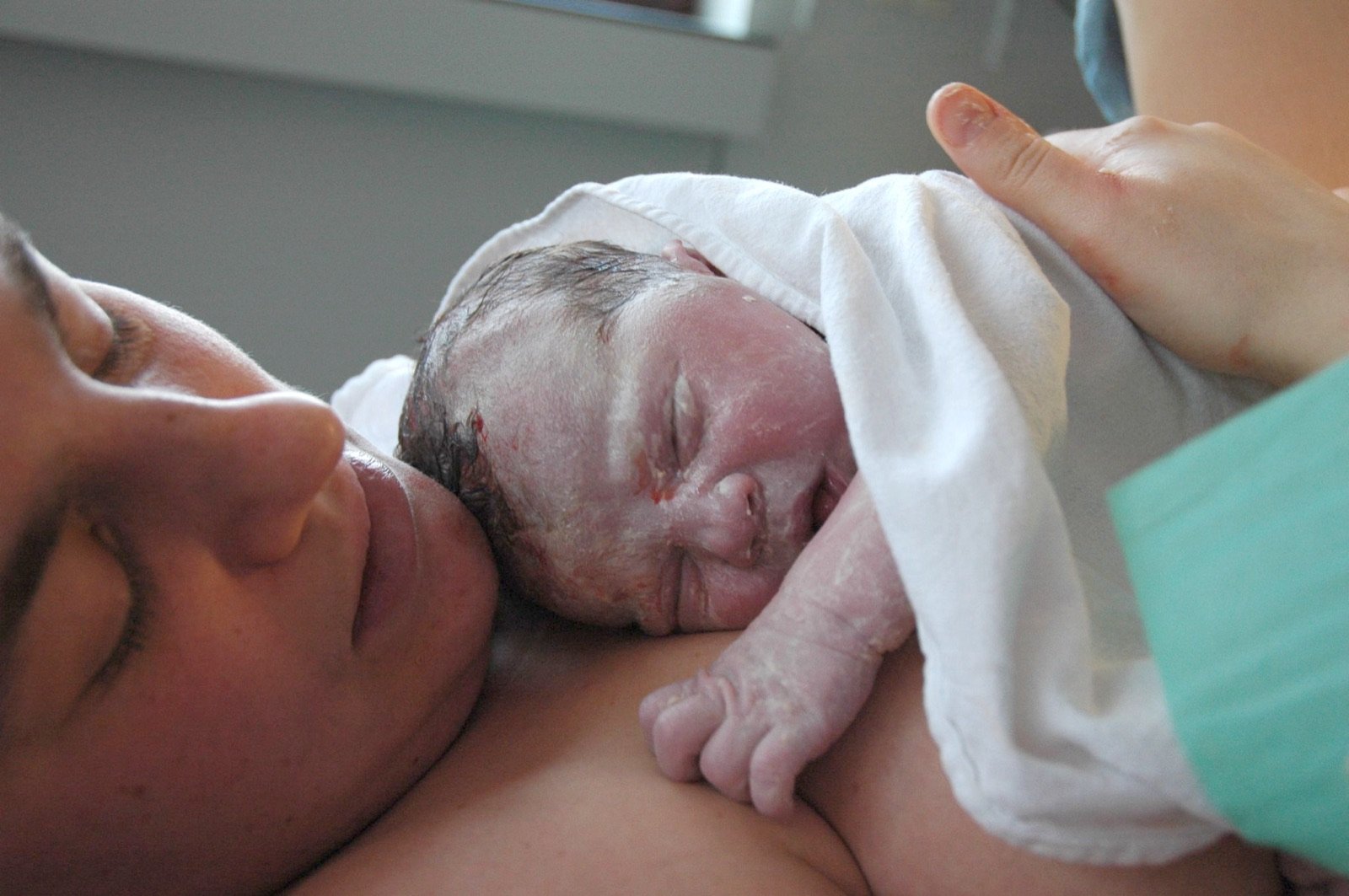

Crying is the only way your baby can communicate with you in these first weeks, and that does not mean every cry hides a major problem. Sometimes a newborn cries simply because they have moved from the warm, quiet world of the womb into a loud, entirely different one, and they need time and reassurance to adjust.
Always Start with the Basics
Before trying any soothing technique, check the essentials: are they hungry? Is their diaper wet? Is the room temperature right — not too hot or too cold? Could it be colic or gas? Ruling out these simple causes saves you a lot of time and energy.
The Famous «5 S's» Technique
Many parents rely on a set of movements that mimic the womb environment to calm a newborn quickly:
- Swaddling: Wrapping your baby snugly recreates the feeling of containment they were used to in the womb.
- Side or stomach position in your arms: A position different from lying on the back can be soothing, though for sleep they should always be placed on their back.
- Shushing: A continuous «shh» sound resembles womb noises and calms many babies with surprising speed.
- Gentle swinging: A soft, rhythmic rocking motion, whether held or in a rocking chair, mimics the movement they were used to inside the womb.
- Sucking: Nursing or a pacifier helps many babies relax and drift toward sleep.
Take Care of Yourself Too
Continuous crying is emotionally draining, and that is completely normal. If you feel overwhelmed, it is safe to place your baby somewhere secure like their crib for a few minutes and step away to catch your breath, then return. You do not have to carry the responsibility of stopping every cry instantly; sometimes a baby just needs to cry a little while you stay calmly nearby.