It is completely normal to feel a little anxious before your baby's first vaccine — it is new for both of you. But early vaccinations are one of the most important steps in protecting your baby at a stage when their immune system is still developing and cannot fight off certain serious diseases on its own.
What Does Your Baby Receive in the First Month?
The first dose of the hepatitis B vaccine is usually given within the first hours after birth, while still in the hospital, to protect the newborn from early infection. After that, depending on your country's national immunization schedule, the first doses of other vaccines such as BCG for tuberculosis (in some countries) typically begin, kicking off the series of core vaccines that continues through the first months of life. Ask your pediatrician about the exact schedule followed where you live, since it can vary slightly from one country to another.
What Reactions Are Normal to Expect?
It is common for a baby to cry at the moment of the injection, then settle quickly once cuddled. You might notice mild redness or swelling at the injection site, a slight rise in temperature, or more sleepiness than usual the following day. These are normal reactions showing the body is building immunity, and they usually fade within a day or two.
- Pick your baby up and hold them right after the vaccine — physical closeness calms them faster than anything else.
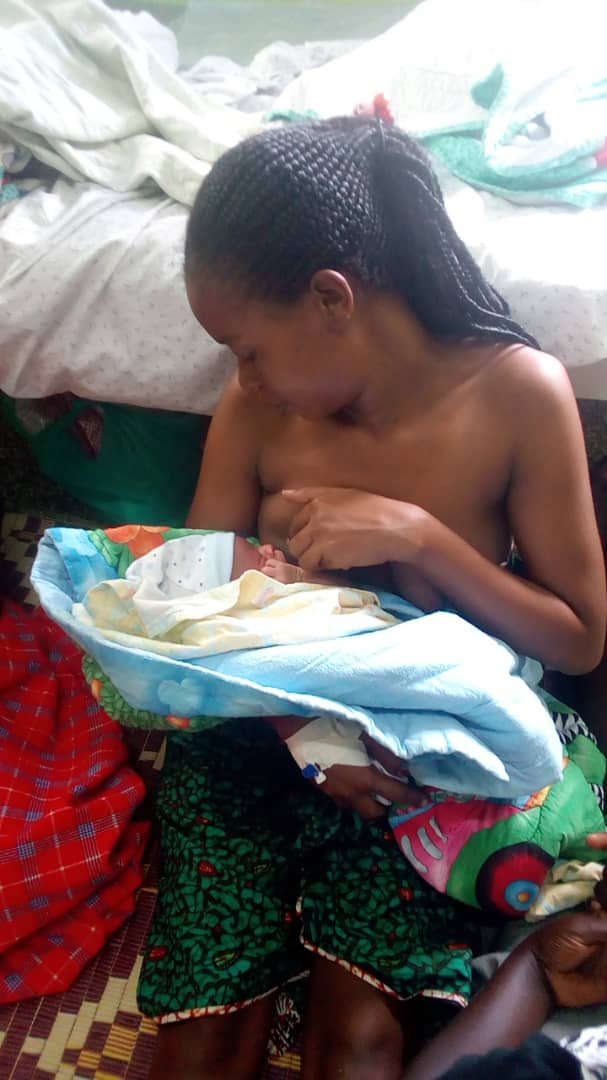
- Nurse right after the shot if possible; it comforts them and eases the crying.
- Apply a clean, cool compress to the injection site if you notice bothersome swelling.
- Keep the vaccination record somewhere fixed — you will need it later for many things, including school registration.
When Should You Call the Doctor?
A mild fever after a vaccine is expected, but call the doctor right away if the temperature exceeds 38°C in a baby under three months old, if you notice intense crying that will not settle for hours, a widespread rash, or unusual severe lethargy.