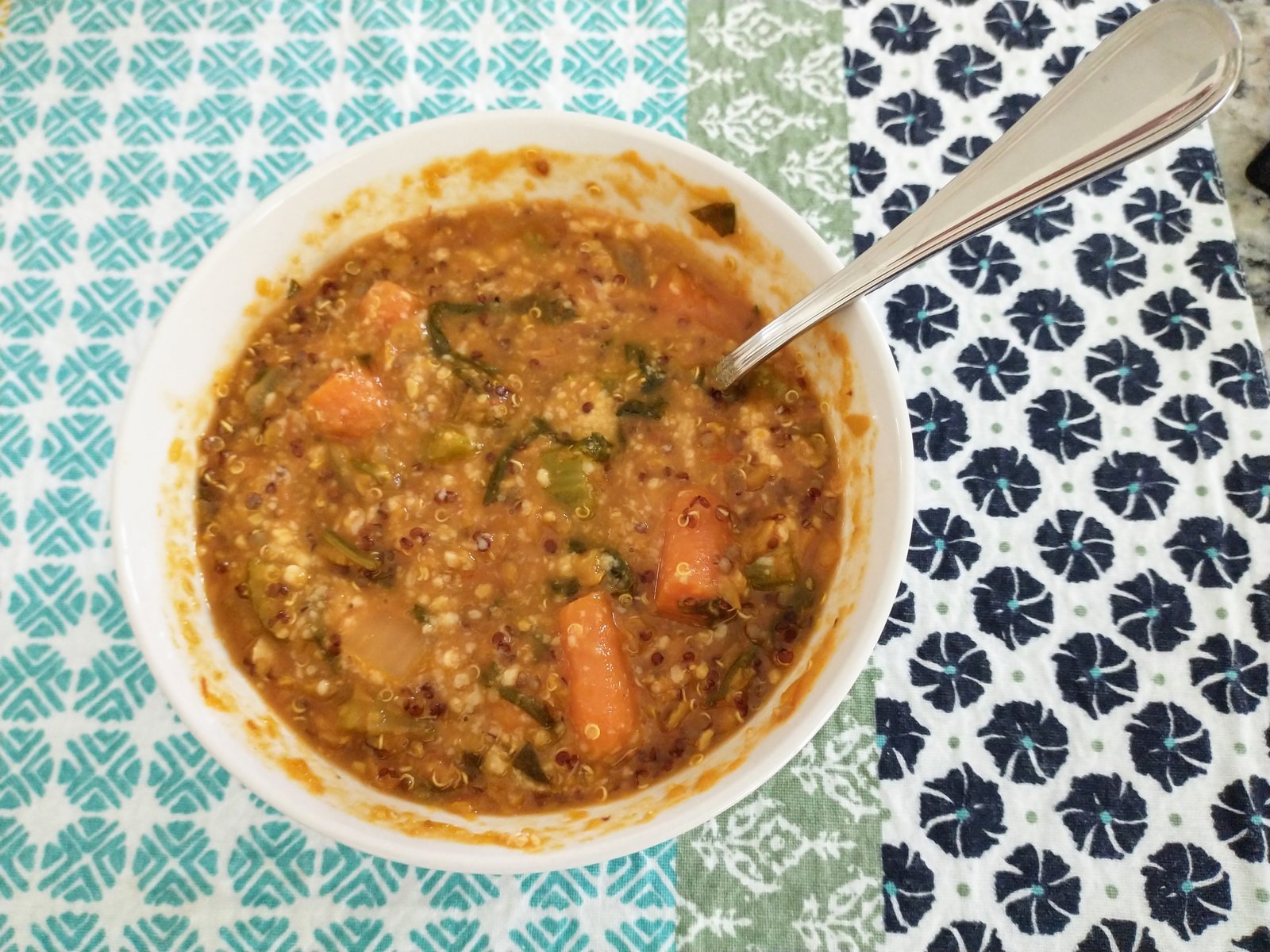
Your blood volume increases by roughly fifty percent during pregnancy to support your baby's growth, and that requires much more iron to produce enough red blood cells. When your body doesn't get enough iron from food or existing stores, levels gradually drop and anemia develops.
How do you know if you have it?
Anemia is usually caught through a routine blood test as part of your prenatal care, but some signs might tip you off earlier: fatigue beyond typical pregnancy tiredness, paleness in the face or lips, dizziness or a racing heartbeat, and shortness of breath with minor effort. If you notice these signs, tell your doctor even if your next scheduled test is relatively far off.
How do you maintain healthy iron levels?
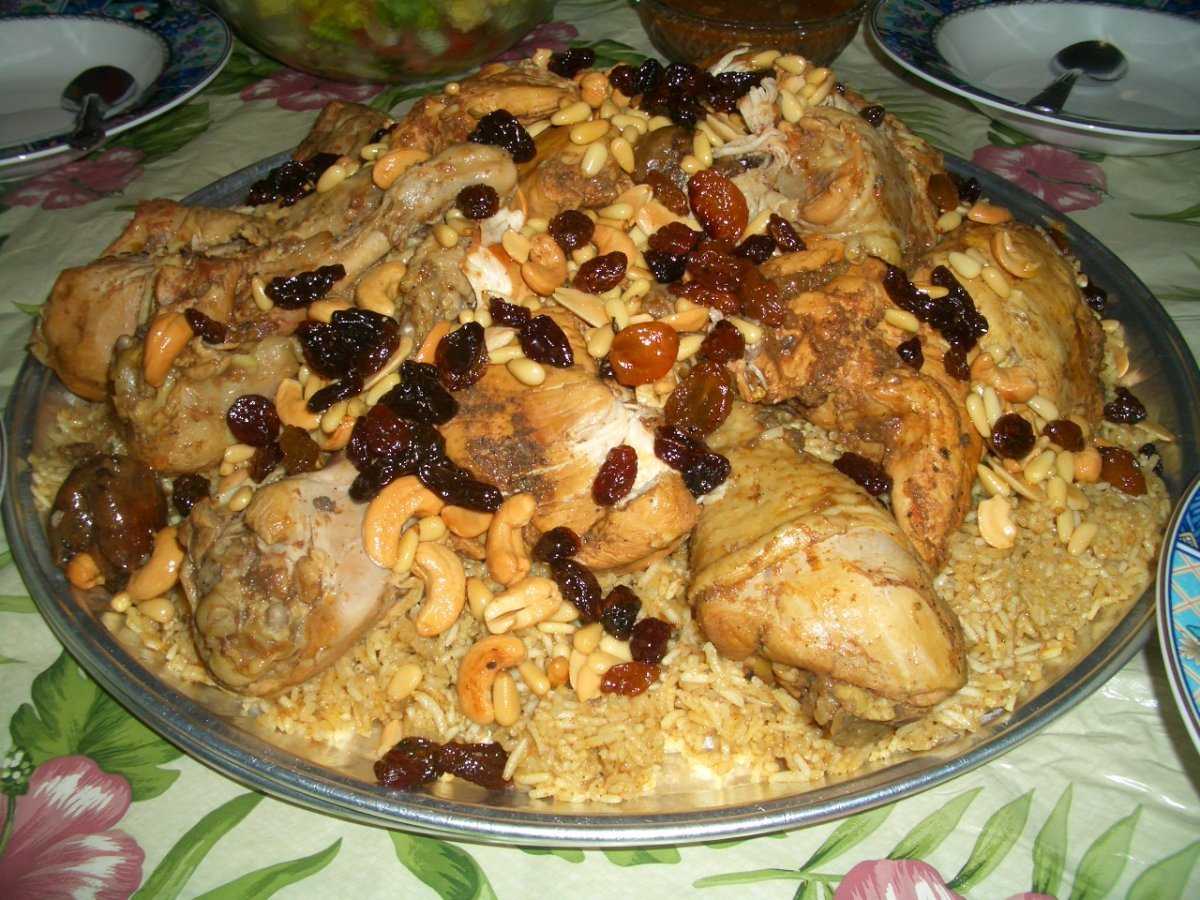
- Include iron-rich foods in your meals — red meat, liver, lentils, spinach, and fortified cereals.
- Pair a vitamin C source with your iron-rich meal, like lemon or orange juice, since it boosts absorption.
- Avoid drinking tea or coffee right alongside iron-rich meals, since both reduce absorption.
- Stick to any iron supplement your doctor prescribes, even if you're not noticing obvious symptoms.
Untreated anemia can significantly increase your fatigue and affect your readiness for birth, so don't dismiss it. The good news is it usually responds well to proper nutrition and supplements when needed.