Whether you are fully plant-based or simply trying to cut back on red meat, the first question that comes to most women's minds is: “Where will I get enough protein?” The good news is that the plant kingdom is rich in excellent protein sources, as long as you know how to combine them smartly.
Why Does Protein Matter Especially for Women?
Protein is essential for building and maintaining muscle, especially as we age, since muscle mass gradually declines without proper nutrition and movement. Protein also helps you feel full, which is useful for anyone watching their weight without resorting to harsh diets.
The Best Plant-Based Protein Sources
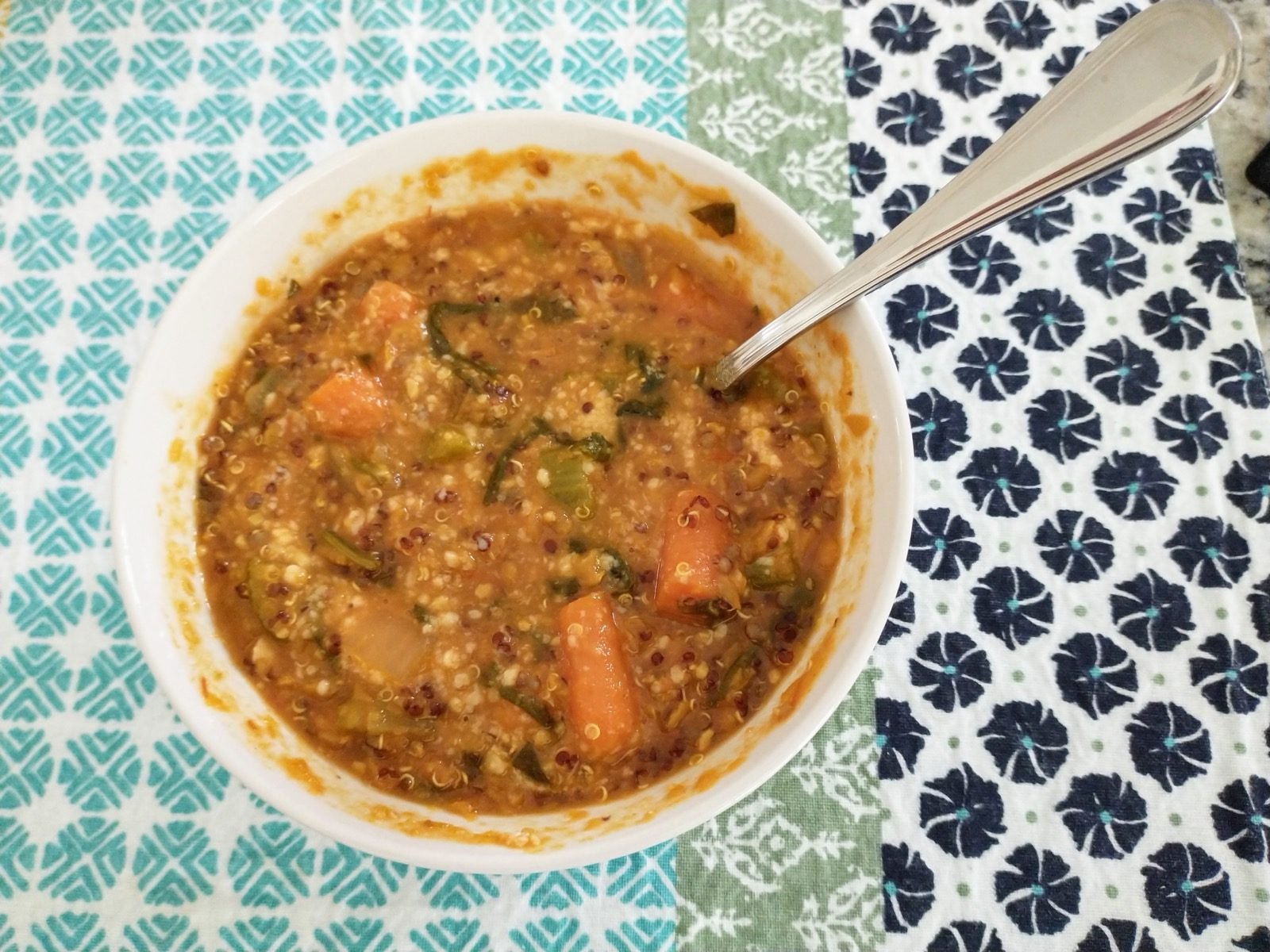
- Legumes: lentils, chickpeas, and various types of beans, which are also rich in fiber and iron.
- Soy products: tofu and tempeh, which are “complete” proteins containing all the essential amino acids.
- Whole grains: quinoa, oats, and bulgur.
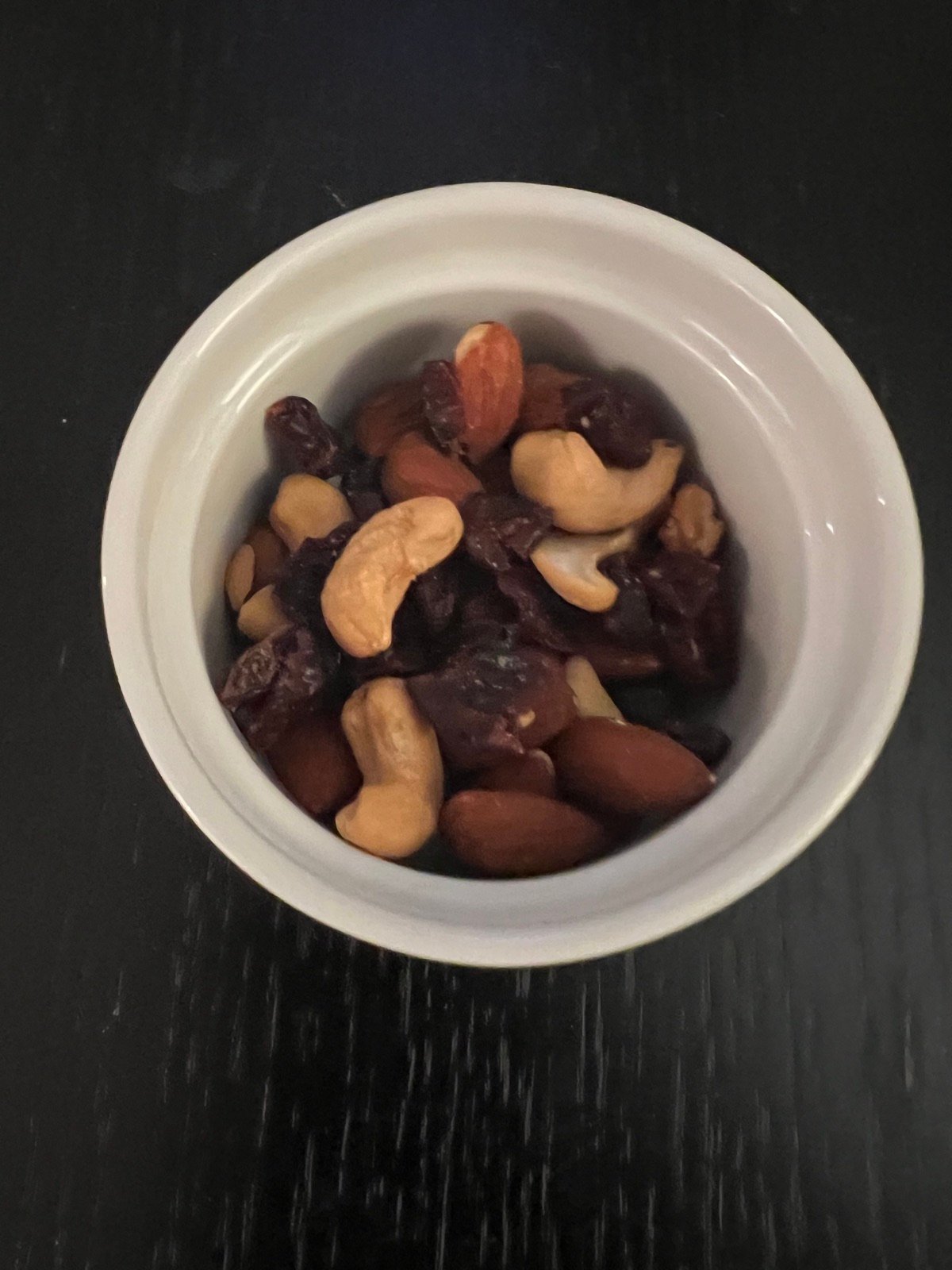
- Nuts and seeds: almonds, pumpkin seeds, chia seeds, and peanut butter.
- Dairy or fortified plant-based alternatives, if you are not following a strict plant-based diet.
A Practical Step: Combining Sources
Most plant protein sources — apart from soy and quinoa — are “incomplete,” meaning they lack one or more essential amino acids. There is no need to worry: the body stores amino acids and uses them throughout the day, not necessarily in the same meal. Still, pairing grains with legumes — like rice with lentils, or bread with hummus — gives you a fuller amino acid profile in a way that is both delicious and simple.